
Advanced Certificate in Collaborative Knowledge Networks
Elevate skills in managing and leveraging collaborative knowledge networks for innovation and strategic advantage.
Advanced Certificate in Collaborative Knowledge Networks
Programme Overview
The Advanced Certificate in Collaborative Knowledge Networks is tailored for professionals in various sectors, including information management, digital innovation, and organizational development. This program delves into the strategic use of collaborative technologies and methodologies to enhance knowledge sharing and innovation within organizations. It equips learners with the skills to manage complex knowledge networks, leveraging social media, cloud computing, and other digital tools to foster a culture of collaboration.
Key skills and knowledge that learners will develop include the ability to design and implement effective collaborative platforms, understand the psychological and sociological factors that influence knowledge sharing, and evaluate the performance of knowledge networks. The curriculum also covers advanced data analytics and visualization techniques to interpret knowledge flow and optimize collaboration. These competencies are essential for managing information in dynamic, fast-paced environments.
Upon completion, participants will be well-positioned to enhance their career prospects in roles that require expertise in collaborative technologies and knowledge management. The program prepares professionals to lead knowledge management initiatives, innovate in organizational structures, and drive strategic business outcomes through improved collaboration and information sharing.
What You'll Learn
The Advanced Certificate in Collaborative Knowledge Networks is a cutting-edge program designed for professionals seeking to enhance their expertise in managing and leveraging digital ecosystems. This program equips participants with the skills to design, implement, and optimize collaborative knowledge networks, which are essential for modern organizations aiming to integrate and leverage information effectively. Key topics include network theory, data analytics, digital communication strategies, and the ethical implications of knowledge sharing.
Graduates of this program are well-prepared to apply their knowledge in various roles, such as knowledge management specialists, digital network coordinators, and data analysts. They can facilitate the seamless integration of data from multiple sources, improve decision-making processes, and enhance organizational performance through effective knowledge sharing.
Career opportunities abound for program graduates, including positions in consultancies, tech firms, educational institutions, and government agencies. The demand for skilled professionals in collaborative knowledge networks is on the rise, driven by the increasing reliance on digital platforms and the need for efficient information dissemination in today’s fast-paced business environment. This program not only arms participants with the necessary skills but also positions them at the forefront of innovation in knowledge management and digital collaboration.
Programme Highlights
Industry-Aligned Curriculum
Developed with industry leaders for job-ready skills valued by employers worldwide.
Globally Recognised Certificate
Recognised by employers across 180+ countries as a mark of professional excellence.
Flexible Online Learning
Study at your own pace with lifetime access to all course materials and updates.
Instant Access
Start learning immediately — no application process or waiting period required.
Constantly Updated Content
Stay ahead with the latest industry trends, best practices, and emerging insights.
Career Advancement
87% of graduates report measurable career progression within 6 months of completion.
Topics Covered
- 1. Introduction to Collaborative Knowledge Networks: Learners will explore the foundational concepts of collaborative knowledge networks, including their definitions, importance, and key characteristics. They will gain an understanding of how these networks function and their role in modern information ecosystems.
- 2. Network Theory and Models: This module delves into various theoretical frameworks and models used to understand and analyze collaborative knowledge networks. Learners will study graph theory, network dynamics, and social network analysis to develop a deeper insight into network structures and behaviors.
- 3. Knowledge Management in Networks: Focusing on practical aspects, learners will study how knowledge is managed and shared within collaborative networks. The module covers content management systems, information retrieval techniques, and knowledge capture strategies.
- 4. Digital Tools for Collaboration: Learners will become proficient in using digital tools and platforms designed for collaborative knowledge networks, such as wikis, forums, and collaborative software. Practical skills in implementing these tools for effective collaboration will be emphasized.
- 5. Advanced Network Analysis Techniques: Building on the foundational knowledge from earlier modules, this advanced module focuses on sophisticated analytical methods for understanding complex network interactions. Topics include community detection, centrality measures, and predictive modeling.
- 6. Interoperability and Standards in Networked Environments: This module explores the importance of interoperability and the use of standards in collaborative knowledge networks. Learners will study technical and organizational aspects of network interoperability and the role of standards in facilitating seamless information exchange.
- 7. Ethical and Security Considerations: The module addresses ethical and security issues related to collaborative knowledge networks. Learners will examine privacy concerns, data protection regulations, and best practices for maintaining security in networked environments.
- 8. Case Studies in Collaborative Knowledge Networks: Through in-depth case studies, learners will analyze real-world examples of successful and unsuccessful collaborative knowledge networks. This module aims to provide practical insights into the challenges and opportunities of implementing these networks in various contexts.
- 9. Leadership and Management in Collaborative Networks: Focusing on leadership and management aspects, learners will study how to effectively lead and manage collaborative knowledge networks. Topics include fostering a culture of collaboration, managing change, and developing strategic plans.
- 10. Future Trends in Collaborative Knowledge Networks: This module provides an overview of emerging trends and future directions in collaborative knowledge networks. Learners will explore how technological advancements and shifting organizational needs are reshaping these networks and discuss potential developments in the field.
What You Get When You Enroll
Secure checkout • Instant access • Certificate included
Key Facts
Professionals in knowledge management
None required; open enrollment
Understand collaborative knowledge network principles
Develop skills in network analysis
Enhance knowledge sharing and collaboration abilities
Create strategies for networked organizations
Ready to get started?
Join thousands of professionals who already took the next step. Enroll now and get instant access.
Enroll Now — $149Why This Course
Professionals should pursue the 'Advanced Certificate in Collaborative Knowledge Networks' to enhance their ability to manage and leverage knowledge across diverse teams and organizations. This certification equips individuals with advanced skills in knowledge management tools and techniques, enabling them to facilitate the creation, sharing, and application of knowledge more effectively. For instance, the program includes modules on collaboration platforms and methodologies that can significantly improve project outcomes and team productivity.
This certification is crucial for those aiming to advance their careers in knowledge-intensive industries such as technology, healthcare, and education. It provides a competitive edge by fostering the development of strategic thinking and leadership skills necessary for managing complex knowledge networks. For example, successful completion of the certificate can pave the way for leadership roles in information management or knowledge strategy within organizations.
The 'Advanced Certificate in Collaborative Knowledge Networks' also enhances professional networking and career opportunities. Participants gain access to a global community of professionals who share similar interests and challenges, offering valuable insights and collaborations. This network can lead to potential job opportunities or partnerships that align with personal career goals. Additionally, the certificate is recognized by industry leaders, which can boost one's credibility and marketability in the job market.
Your Path to Certification
Trusted by Professionals Worldwide
Course Brochure
Download our comprehensive course brochure with all details
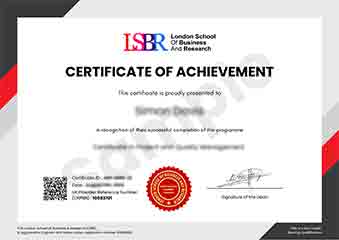
Sample Certificate
Preview the certificate you'll receive upon successful completion of this program.
Get Free Course Info
Enter your details and we'll send you a comprehensive course information pack straight to your inbox.
Employer Sponsored Training
Let your employer invest in your professional development. Request a corporate invoice and get your training funded.
Request Corporate InvoiceWhat People Say About Us
Hear from our students about their experience with the Advanced Certificate in Collaborative Knowledge Networks at LSBRX - Executive Education.
Charlotte Williams
United Kingdom"The course content is incredibly comprehensive and well-researched, providing a solid foundation in collaborative knowledge networks that has significantly enhanced my analytical and strategic planning skills. It has opened up new career opportunities by equipping me with the knowledge to effectively manage and leverage digital networks for collaborative projects."
Kai Wen Ng
Singapore"This course has significantly enhanced my ability to navigate complex knowledge networks, making me more effective in my role as a project manager. The practical applications I've learned have already led to more collaborative and innovative projects within my team."
Arjun Patel
India"The course structure is well-organized, providing a comprehensive overview of collaborative knowledge networks that directly translates into practical applications, enhancing my professional growth significantly."