
Advanced Certificate in Developing Effective Emergency Protocols
Elevate emergency response skills with this certificate, equipping you with essential protocols for safety and efficiency in critical situations.
Advanced Certificate in Developing Effective Emergency Protocols
Programme Overview
The Advanced Certificate in Developing Effective Emergency Protocols is a comprehensive program designed for individuals in leadership roles or those seeking to enhance their skills in emergency management. This program equips participants with the knowledge and skills necessary to develop, implement, and maintain emergency protocols that are robust, adaptable, and effective in a variety of settings, including but not limited to, healthcare facilities, government agencies, and corporate organizations. The curriculum includes topics such as risk assessment, crisis communication, resource management, and legal and ethical considerations in emergency response, ensuring that learners are well-prepared to address complex emergency scenarios.
Key skills and knowledge developed through this program include strategic planning, risk mitigation, effective communication during crises, and the integration of technology and data analytics in emergency management. Participants will learn how to conduct thorough risk assessments, create comprehensive emergency plans, and train staff in emergency procedures. They will also gain expertise in leveraging technology to enhance emergency response capabilities and in adhering to legal and ethical standards during emergencies. This holistic approach ensures that graduates are adept at preparing for, responding to, and recovering from emergencies.
The career impact of this program is significant, as it prepares professionals to lead in emergency management roles, improve organizational resilience, and protect public safety. Graduates will be well-suited to advance in their current positions or transition into leadership roles within emergency management, healthcare, public safety, and other critical sectors. The program’s emphasis on practical skills and real-world applications positions participants to make immediate contributions to their organizations and communities,
What You'll Learn
The Advanced Certificate in Developing Effective Emergency Protocols is a comprehensive, hands-on program designed to equip professionals with the skills necessary to create, implement, and maintain robust emergency response plans. This program is invaluable for individuals in sectors such as healthcare, security, and public administration, where quick and effective action can mean the difference between life and death.
Key topics include risk assessment, emergency planning and response strategies, legal and regulatory frameworks, and crisis communication. Participants will engage in case studies, simulations, and collaborative projects that mirror real-world emergencies, ensuring they can apply their knowledge in practical settings.
Graduates of this program are well-prepared to lead emergency response teams, design safety protocols, and ensure the well-being of communities during crises. They can take on roles such as emergency management coordinators, safety officers, or crisis communication specialists. The program also provides a solid foundation for those aiming to pursue advanced degrees in emergency management or related fields.
By mastering the art of developing effective emergency protocols, graduates can contribute to safer and more resilient communities, ensuring they are ready to face any challenge that may arise.
Programme Highlights
Industry-Aligned Curriculum
Developed with industry leaders for job-ready skills valued by employers worldwide.
Globally Recognised Certificate
Recognised by employers across 180+ countries as a mark of professional excellence.
Flexible Online Learning
Study at your own pace with lifetime access to all course materials and updates.
Instant Access
Start learning immediately — no application process or waiting period required.
Constantly Updated Content
Stay ahead with the latest industry trends, best practices, and emerging insights.
Career Advancement
87% of graduates report measurable career progression within 6 months of completion.
Topics Covered
- 1. Introduction to Emergency Management: Learners will study the basic principles of emergency management and the importance of preparedness. They will gain foundational knowledge on risk assessment, hazard identification, and the role of emergency management in community safety.
- 2. Legal and Ethical Considerations in Emergency Response: This module covers the legal frameworks and ethical guidelines that govern emergency response. Learners will understand the implications of legal and ethical considerations in decision-making processes during emergencies.
- 3. Risk Assessment and Mitigation Strategies: Learners will study methods for conducting comprehensive risk assessments and developing mitigation strategies to reduce the impact of potential emergencies. Practical skills include identifying vulnerabilities and implementing preventive measures.
- 4. Emergency Communication and Public Information: This module focuses on effective communication strategies during emergencies, including public information and media management. Learners will gain skills in crafting clear, concise, and timely messages for various stakeholders.
- 5. Incident Command System (ICS) and Multi-Agency Coordination: Learners will study the Incident Command System and its application in managing complex incidents. They will understand the principles of multi-agency coordination and resource management.
- 6. Developing and Implementing Emergency Protocols: This module covers the process of developing effective emergency protocols, including best practices for drafting, reviewing, and updating protocols. Learners will gain skills in creating clear, actionable, and comprehensive emergency response plans.
- 7. Crisis Management and Post-Disaster Recovery: Learners will study crisis management strategies and the recovery process following an emergency. Practical skills include managing crisis communication, assessing needs, and coordinating resources for recovery efforts.
- 8. Advanced Emergency Planning and Simulation Exercises: This module focuses on advanced planning techniques and the use of simulation exercises to test and refine emergency protocols. Learners will gain experience in conducting realistic drills and evaluating their effectiveness.
- 9. International Perspectives on Emergency Management: Learners will explore emergency management practices and protocols from an international perspective. This module includes case studies and cross-cultural analysis to provide a global context for emergency response.
- 10. Leadership and Team Dynamics in Emergency Response: This module examines leadership styles and team dynamics in the context of emergency response. Learners will develop skills in effective leadership, team building, and conflict resolution in high-stress environments.
What You Get When You Enroll
Secure checkout • Instant access • Certificate included
Key Facts
Target audience: Safety managers, HR professionals
Prerequisites: Basic emergency response knowledge
Outcomes: Develop effective emergency plans, conduct risk assessments
Ready to get started?
Join thousands of professionals who already took the next step. Enroll now and get instant access.
Enroll Now — $149Why This Course
Enhance Safety Management: Obtaining an Advanced Certificate in Developing Effective Emergency Protocols equips professionals with the knowledge and skills necessary to create and manage emergency response plans. This not only ensures the safety of employees and assets but also complies with regulatory standards, reducing the risk of legal liabilities and financial losses.
Improve Organizational Resilience: The certificate focuses on developing comprehensive emergency protocols that can be applied across various industries. By understanding how to prepare for and respond to emergencies, professionals can enhance their organization's resilience to unexpected disruptions, thereby maintaining operations and minimizing downtime.
Foster Leadership Competence: The program emphasizes the importance of effective communication and coordination during crises. Participants learn to lead and manage teams through challenging situations, which is crucial for fostering a culture of preparedness and teamwork. This skill set is invaluable for advancing in leadership roles and contributing to the overall success of the organization.
Your Path to Certification
Trusted by Professionals Worldwide
Course Brochure
Download our comprehensive course brochure with all details
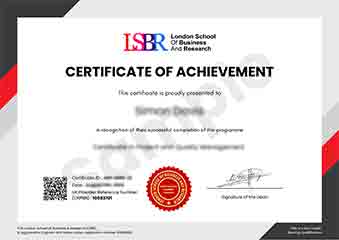
Sample Certificate
Preview the certificate you'll receive upon successful completion of this program.
Get Free Course Info
Enter your details and we'll send you a comprehensive course information pack straight to your inbox.
Employer Sponsored Training
Let your employer invest in your professional development. Request a corporate invoice and get your training funded.
Request Corporate InvoiceWhat People Say About Us
Hear from our students about their experience with the Advanced Certificate in Developing Effective Emergency Protocols at LSBRX - Executive Education.
Charlotte Williams
United Kingdom"The course content was incredibly comprehensive and well-structured, providing me with a solid foundation in developing effective emergency protocols that I can directly apply in my workplace. Gaining these practical skills has significantly enhanced my ability to handle emergencies more efficiently and has opened up new career opportunities in emergency management."
Mei Ling Wong
Singapore"This course has been incredibly valuable, equipping me with the latest industry standards and practical tools to develop effective emergency protocols. It has not only enhanced my professional skills but also opened up new opportunities for career advancement in my field."
Muhammad Hassan
Malaysia"The course structure was meticulously organized, making it easy to navigate through complex emergency protocols, and the comprehensive content provided valuable insights that have significantly enhanced my ability to develop effective emergency plans for real-world situations."