
Advanced Certificate in Material Science Data Analysis with Python
Master advanced material science data analysis using Python, enhancing skills in data interpretation and predictive modeling for material properties.
Advanced Certificate in Material Science Data Analysis with Python
Programme Overview
The Advanced Certificate in Material Science Data Analysis with Python is a comprehensive program designed for professionals and students seeking to enhance their analytical skills in the context of material science. This program leverages Python, a powerful programming language, to equip learners with the latest techniques and tools for data analysis, simulation, and visualization. Participants will gain expertise in handling large datasets, conducting statistical analysis, and utilizing machine learning algorithms to predict material properties and behavior.
Learners will develop key skills in data preprocessing, exploratory data analysis, predictive modeling, and the application of advanced machine learning techniques specific to material science. They will also become proficient in using Python libraries such as NumPy, Pandas, Matplotlib, Scikit-learn, and TensorFlow, which are essential for modern data analysis in this field. Additionally, the program introduces learners to the latest research methodologies and best practices in data science, ensuring they are up-to-date with the evolving landscape of material science research.
The career impact of this program is significant, as it prepares participants to excel in roles such as data scientists, research analysts, and material science engineers. The skills acquired can lead to advanced positions in industry, academia, and government research institutions, where data-driven decision-making is crucial. Moreover, graduates will be well-equipped to contribute to cutting-edge research projects, develop innovative materials, and drive technological advancements in material science.
What You'll Learn
Explore the cutting edge of material science with the 'Advanced Certificate in Material Science Data Analysis with Python.' This intensive, three-month program equips you with the skills to analyze complex data sets using Python, a powerful tool in scientific research. You will delve into topics such as data visualization, statistical analysis, machine learning, and advanced data manipulation techniques, all tailored to the needs of material scientists.
By the end of the program, you will be proficient in using Python for tasks ranging from analyzing microscopic images to predicting material properties. This hands-on course includes real-world projects that allow you to apply your knowledge to solve practical problems faced by industry and academia.
Graduates of this program are well-prepared for roles such as data analyst in material science research labs, data scientist in manufacturing and engineering firms, and data-driven product developers. The skills you gain will also open doors to advanced degrees in materials science, data science, or related fields. Join us to bridge the gap between material science and data analytics, driving innovation and discovery in the field.
Programme Highlights
Industry-Aligned Curriculum
Developed with industry leaders for job-ready skills valued by employers worldwide.
Globally Recognised Certificate
Recognised by employers across 180+ countries as a mark of professional excellence.
Flexible Online Learning
Study at your own pace with lifetime access to all course materials and updates.
Instant Access
Start learning immediately — no application process or waiting period required.
Constantly Updated Content
Stay ahead with the latest industry trends, best practices, and emerging insights.
Career Advancement
87% of graduates report measurable career progression within 6 months of completion.
Topics Covered
- 1. Introduction to Material Science and Data Analysis: Learners will explore the basic principles of material science and learn how to use Python for data manipulation and visualization. They will gain foundational skills in understanding materials and preparing data for analysis.
- 2. Python Programming for Data Analysis: This module focuses on advanced Python programming techniques and libraries essential for material science data analysis, including NumPy, Pandas, and Matplotlib. Learners will develop strong coding skills to handle complex data structures and visualize data effectively.
- 3. Data Preprocessing and Cleaning for Materials Data: Learners will study methods for preprocessing and cleaning raw material science data, including handling missing values, outliers, and formatting data for analysis. Practical skills in data cleaning and preparation will be emphasized.
- 4. Statistical Analysis in Material Science: This module covers statistical methods and their applications in material science, including hypothesis testing, regression analysis, and ANOVA. Learners will learn to apply statistical techniques to material science datasets and interpret results.
- 5. Machine Learning for Material Science: Learners will be introduced to machine learning techniques and algorithms specifically for material science problems. They will gain experience in using Python for implementing and evaluating machine learning models.
- 6. Data Visualization for Material Science Research: This module focuses on advanced data visualization techniques using Python libraries such as Seaborn and Plotly. Learners will learn to create compelling and informative visualizations to communicate material science research findings.
- 7. Image and Signal Processing in Material Science: Learners will study image and signal processing techniques for analyzing materials data, including image segmentation, filtering, and spectral analysis. Practical skills in processing and analyzing material images and signals will be developed.
- 8. Advanced Topics in Material Science Data Analysis: This module covers advanced topics and cutting-edge technologies in material science data analysis, such as deep learning, big data analytics, and predictive modeling. Learners will explore the latest research and trends in the field.
- 9. Case Studies in Material Science Data Analysis: In this module, learners will work on real-world case studies from the material science industry, applying the skills and knowledge gained throughout the programme to solve complex data analysis problems.
- 10. Project and Capstone: Learners will complete a comprehensive project or capstone task that integrates all the skills and knowledge from the programme. They will apply data analysis techniques to a material science problem of their choice, from data collection and preprocessing to analysis and reporting.
What You Get When You Enroll
Secure checkout • Instant access • Certificate included
Key Facts
Audience: Entry-level analysts, engineers
Prerequisites: Basic Python, data handling
Outcomes: Proficient in material data analysis
Ready to get started?
Join thousands of professionals who already took the next step. Enroll now and get instant access.
Enroll Now — $149Why This Course
Enhanced Analytical Skills: The Advanced Certificate in Material Science Data Analysis with Python equips professionals with advanced Python programming skills, essential for data manipulation, analysis, and visualization. This proficiency is highly sought after in material science research and development, enabling professionals to derive meaningful insights from complex datasets more efficiently.
Career Expansion: By integrating data analysis skills into their professional toolkit, material scientists can explore new career pathways, such as data science roles within R&D departments or consulting firms. This certificate can also enhance their value in existing roles, allowing them to take on more data-driven responsibilities and lead projects that require sophisticated analytics.
Technological Adaptability: The program focuses on the latest tools and techniques in Python programming, ensuring professionals stay ahead of technological advancements. This adaptability is crucial in the rapidly evolving field of material science, where new technologies and materials are constantly being developed. By mastering these tools, professionals can quickly learn and apply new methodologies, maintaining a competitive edge in their field.
Your Path to Certification
Trusted by Professionals Worldwide
Course Brochure
Download our comprehensive course brochure with all details
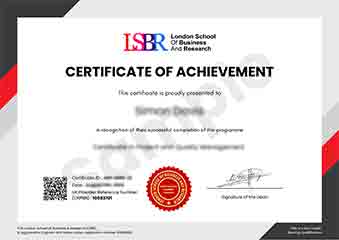
Sample Certificate
Preview the certificate you'll receive upon successful completion of this program.
Get Free Course Info
Enter your details and we'll send you a comprehensive course information pack straight to your inbox.
Employer Sponsored Training
Let your employer invest in your professional development. Request a corporate invoice and get your training funded.
Request Corporate InvoiceWhat People Say About Us
Hear from our students about their experience with the Advanced Certificate in Material Science Data Analysis with Python at LSBRX - Executive Education.
Sophie Brown
United Kingdom"The course content is incredibly comprehensive, covering advanced techniques in material science data analysis with practical Python applications that have significantly enhanced my analytical skills. It has provided me with a robust foundation to tackle real-world problems in the field, making me more competitive in my career."
Mei Ling Wong
Singapore"This course has been instrumental in bridging the gap between theoretical material science and practical data analysis techniques, equipping me with the skills to analyze complex materials data efficiently. It has significantly enhanced my career prospects by providing me with tools that are highly relevant in the industry, making me a more competitive candidate for advanced positions."
Fatimah Ibrahim
Malaysia"The course structure is well-organized, providing a seamless transition from basic data analysis concepts to advanced techniques in material science, which has significantly enhanced my understanding and practical skills in handling complex datasets. The comprehensive content and real-world applications have been instrumental in my professional growth, equipping me with tools to tackle real industry challenges."