
Certificate in Optimizing HVAC Performance with Data Analytics
Elevate HVAC system efficiency through data analytics; earn a certificate in optimizing performance for smarter, more sustainable buildings.
Certificate in Optimizing HVAC Performance with Data Analytics
Programme Overview
The Certificate in Optimizing HVAC Performance with Data Analytics is designed to equip professionals with the skills and knowledge necessary to enhance the efficiency and performance of HVAC systems through advanced data analytics techniques. This program is ideal for HVAC technicians, engineers, facility managers, and data analysts who wish to integrate sophisticated data analysis tools and methodologies into their existing skill sets to optimize energy usage, improve system reliability, and reduce operational costs.
Participants will develop key skills in data collection, analysis, and interpretation specific to HVAC systems. They will learn to leverage predictive analytics to forecast maintenance needs, optimize energy consumption, and enhance system performance. Additionally, they will gain proficiency in using industry-standard software and tools for data analysis and visualization, enabling them to make data-driven decisions that significantly improve the overall efficiency of HVAC systems.
Upon completion, learners will be well-prepared to advance their careers in roles that require a deep understanding of data analytics in HVAC systems. The skills acquired can lead to increased responsibilities within HVAC departments, such as overseeing complex system upgrades, implementing energy management strategies, and leading data-driven initiatives that contribute to significant cost savings and environmental sustainability.
What You'll Learn
The Certificate in Optimizing HVAC Performance with Data Analytics is designed for professionals seeking to harness the power of data analytics to enhance the efficiency and sustainability of heating, ventilation, and air conditioning systems. This comprehensive program equips participants with the skills to analyze system performance data, identify inefficiencies, and implement data-driven solutions that reduce energy consumption and costs.
Key topics include data collection methods, statistical analysis techniques, predictive modeling, and the integration of IoT devices with HVAC systems. Graduates learn to use advanced software tools and apply machine learning algorithms to forecast maintenance needs and optimize system settings. They also gain insights into the latest HVAC technologies and regulatory trends in energy efficiency.
By applying these skills, graduates can significantly improve the performance of HVAC systems in residential, commercial, and industrial settings. They can manage energy consumption more effectively, reduce environmental impact, and enhance occupant comfort. The program prepares participants for roles in HVAC system analysis, energy management, and sustainability consultancy.
Career opportunities abound for program graduates, ranging from HVAC system analysts to energy efficiency consultants and data scientists specializing in building automation. Graduates are well-positioned to lead projects that drive energy savings and contribute to more sustainable urban environments.
Programme Highlights
Industry-Aligned Curriculum
Developed with industry leaders for job-ready skills valued by employers worldwide.
Globally Recognised Certificate
Recognised by employers across 180+ countries as a mark of professional excellence.
Flexible Online Learning
Study at your own pace with lifetime access to all course materials and updates.
Instant Access
Start learning immediately — no application process or waiting period required.
Constantly Updated Content
Stay ahead with the latest industry trends, best practices, and emerging insights.
Career Advancement
87% of graduates report measurable career progression within 6 months of completion.
Topics Covered
- 1. Introduction to HVAC Systems: Learners will study the basic principles of HVAC systems, including types, components, and functions. They will gain foundational knowledge necessary to understand how these systems operate and interact with each other.
- 2. Data Collection and Management in HVAC: This module focuses on the methods and tools for collecting and managing data from HVAC systems. Learners will learn to use sensors, data loggers, and software to gather comprehensive data sets.
- 3. Data Analytics Fundamentals: Learners will delve into the basics of data analytics, including statistical methods and data visualization techniques. They will develop skills to interpret data and identify trends and patterns relevant to HVAC performance.
- 4. HVAC System Monitoring and Maintenance: This module covers the techniques for monitoring HVAC systems in real-time and the importance of regular maintenance. Learners will learn how to use data analytics to predict maintenance needs and improve system efficiency.
- 5. Energy Efficiency in HVAC Systems: Learners will explore strategies for enhancing the energy efficiency of HVAC systems. They will learn to analyze energy consumption data and implement measures to reduce waste and improve overall system performance.
- 6. Advanced Data Analytics for HVAC: Building on foundational skills, this module introduces advanced analytics techniques such as machine learning and predictive modeling. Learners will apply these techniques to optimize HVAC system performance.
- 7. HVAC System Diagnostics and Troubleshooting: This module focuses on using data analytics to diagnose and troubleshoot issues within HVAC systems. Learners will learn to identify and resolve common problems through data analysis.
- 8. Optimization of HVAC Control Systems: Learners will study how to optimize control systems for HVAC to achieve better performance. They will learn to use data analytics to fine-tune control settings and improve system response to varying conditions.
- 9. Case Studies in HVAC Optimization: Through case studies, learners will analyze real-world scenarios where data analytics have been used to optimize HVAC performance. They will gain practical insights into the application of data analytics in complex HVAC systems.
- 10. Professional Development and Certification: The final module covers best practices for professional development in the field of HVAC data analytics. Learners will prepare for and take a certification exam to validate their knowledge and skills.
What You Get When You Enroll
Secure checkout • Instant access • Certificate included
Key Facts
Audience: HVAC technicians, engineers, facility managers
Prerequisites: Basic HVAC knowledge, introductory statistics
Outcomes: Analyze HVAC data, optimize system efficiency, reduce energy consumption
Ready to get started?
Join thousands of professionals who already took the next step. Enroll now and get instant access.
Enroll Now — $79Why This Course
Elevating Skill Set: The Certificate in Optimizing HVAC Performance with Data Analytics offers professionals the opportunity to enhance their technical and analytical capabilities. By leveraging data analytics tools and techniques, participants can gain a deeper understanding of HVAC systems, leading to more efficient and cost-effective operations.
Career Advancement: This certification is particularly beneficial for those aiming for leadership roles or specialized positions in building management and engineering. It equips them with the knowledge to reduce energy consumption and improve indoor air quality, which are crucial areas in sustainable building management. Consequently, professionals can stand out in the job market and potentially secure higher-paying positions focused on sustainability and energy efficiency.
Practical Application of Knowledge: The curriculum is designed to provide practical, real-world applications of data analytics in HVAC systems. This hands-on approach allows professionals to apply theoretical knowledge to solve complex issues, making them more adept at optimizing HVAC performance in various settings. For example, participants learn to use predictive analytics to forecast maintenance needs, thereby preventing breakdowns and reducing downtime.
Industry Relevance: The demand for skilled professionals who can manage and optimize HVAC systems through data analytics is on the rise. This certificate prepares individuals to meet this growing need by providing them with the latest tools and methods. As a result, professionals can contribute significantly to improving the energy efficiency and sustainability of buildings, aligning with global trends towards green initiatives and lowering operational costs.
Your Path to Certification
Trusted by Professionals Worldwide
Course Brochure
Download our comprehensive course brochure with all details
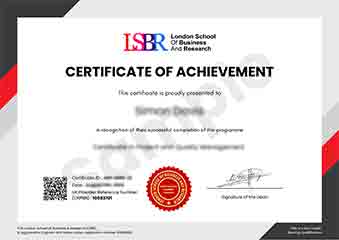
Sample Certificate
Preview the certificate you'll receive upon successful completion of this program.
Get Free Course Info
Enter your details and we'll send you a comprehensive course information pack straight to your inbox.
Employer Sponsored Training
Let your employer invest in your professional development. Request a corporate invoice and get your training funded.
Request Corporate InvoiceWhat People Say About Us
Hear from our students about their experience with the Certificate in Optimizing HVAC Performance with Data Analytics at LSBRX - Executive Education.
Sophie Brown
United Kingdom"The course content was comprehensive and well-structured, providing deep insights into how to optimize HVAC systems using data analytics. Gaining these practical skills has significantly enhanced my ability to tackle real-world HVAC performance issues, making me more competitive in the job market."
Zoe Williams
Australia"This course has been incredibly valuable, equipping me with the skills to analyze and optimize HVAC systems using real-world data. It has not only made my technical knowledge more robust but also opened up new opportunities in my career, allowing me to contribute more effectively to energy-efficient projects."
Kavya Reddy
India"The course structure is well-organized, providing a clear path from basic data analytics concepts to advanced HVAC performance optimization techniques, which significantly enhances my understanding and practical skills. The comprehensive content and real-world applications have been particularly beneficial for my professional growth in the HVAC industry."