
Executive Development Programme in Accessibility Standards in UI Development
This programme equips executives with the knowledge to implement accessibility standards, enhancing UI development for inclusivity and user experience.
Executive Development Programme in Accessibility Standards in UI Development
Programme Overview
The Executive Development Programme in Accessibility Standards in UI Development is tailored for senior leaders and UX/UI designers aiming to enhance their product offerings to be more inclusive and compliant with global accessibility standards. This program covers essential topics such as the WCAG guidelines, the Americans with Disabilities Act (ADA), and the latest trends in assistive technologies. Participants will learn about designing accessible user interfaces, implementing inclusive design practices, and ensuring compliance with international accessibility regulations.
Participants will develop a comprehensive set of skills, including the ability to assess and improve the accessibility of digital products, understand the cognitive and physical barriers faced by users with disabilities, and integrate accessibility into the design and development process from inception. They will also gain hands-on experience with tools and frameworks that support accessibility, such as screen readers and automated accessibility testing software. By the end of the program, learners will be equipped to drive organizational change towards greater accessibility and inclusivity.
This program will have a significant career impact, as participants will be able to lead initiatives that enhance the accessibility of digital products, contributing to a more inclusive digital landscape. They will be better positioned to navigate regulatory requirements, enhance user satisfaction, and foster a culture of accessibility within their organizations. The skills and knowledge gained will also open up new opportunities for professional growth in the rapidly evolving field of accessibility and UX design.
What You'll Learn
The Executive Development Programme in Accessibility Standards in UI Development is a comprehensive, hands-on course designed for professionals looking to enhance their skills in creating inclusive user interfaces. This program equips participants with the latest knowledge in accessibility standards, including WCAG and ARIA roles, enabling them to design interfaces that cater to users with various disabilities. Key topics include accessibility testing tools, user experience design principles, and legal requirements and guidelines from the ADA and GDPR.
Participants will engage in real-world projects, working alongside industry experts to apply their learnings and solve complex accessibility challenges. By the end of the program, graduates will not only understand the technical aspects of accessibility but also the importance of empathy and user-centered design in creating inclusive interfaces.
This program opens doors to a range of career opportunities, from accessibility specialists and UX designers to product managers and development leads. Graduates will be well-prepared to lead initiatives that prioritize accessibility, ensuring that their designs are not only functional but also inclusive and user-friendly. Whether you are a seasoned developer or a newcomer to web design, this program will empower you to make a meaningful impact in the field of user interface development.
Programme Highlights
Industry-Aligned Curriculum
Developed with industry leaders for job-ready skills valued by employers worldwide.
Globally Recognised Certificate
Recognised by employers across 180+ countries as a mark of professional excellence.
Flexible Online Learning
Study at your own pace with lifetime access to all course materials and updates.
Instant Access
Start learning immediately — no application process or waiting period required.
Constantly Updated Content
Stay ahead with the latest industry trends, best practices, and emerging insights.
Career Advancement
87% of graduates report measurable career progression within 6 months of completion.
Topics Covered
- 1. Introduction to Accessibility Standards: Learners will understand the importance of accessibility in UI development, key accessibility laws and guidelines, and the foundational concepts of inclusive design. Practical skills include identifying and correcting basic accessibility issues in web and app interfaces.
- 2. Accessible HTML and CSS: This module covers the use of semantic HTML, ARIA labels, and CSS techniques to enhance accessibility. Learners will develop skills in writing accessible markup and styling to ensure content is accessible to all users.
- 3. Keyboard Navigation and Screen Reader Compatibility: Focuses on ensuring that applications are navigable using only a keyboard and are compatible with screen readers. Skills include testing and debugging accessibility issues related to keyboard navigation and screen reader use.
- 4. Visual Design and Color Accessibility: Explores the principles of visual design in the context of color accessibility. Learners will learn how to use color effectively while ensuring that the interface remains accessible to users with color vision deficiencies.
- 5. Mobile Accessibility: Covers the unique requirements for accessibility in mobile applications, including touch target sizes, text size, and the use of large buttons. Practical skills include designing and testing mobile interfaces for accessibility.
- 6. Testing and Evaluation Tools: Introduces various tools and methods for testing and evaluating the accessibility of UI designs. Skills include using automated tools and manual testing techniques to identify and fix accessibility issues.
- 7. Case Studies in Accessibility: Analyzes real-world case studies of successful and unsuccessful implementations of accessibility in UI development. Learners will gain insights into best practices and common pitfalls in accessibility implementation.
- 8. Legal and Ethical Considerations: Examines the legal and ethical responsibilities of developers in ensuring the accessibility of their products. Skills include understanding the legal implications of non-compliance and the ethical considerations of creating inclusive designs.
- 9. Advanced ARIA and Dynamic Content: Delves into the use of ARIA roles and properties for complex UI components and dynamic content. Learners will develop expertise in implementing advanced accessibility features that support users with disabilities.
- 10. Future Trends in Accessibility: Provides an overview of emerging trends and technologies in accessibility, including assistive technologies and adaptive interfaces. Skills include staying informed about new developments in accessibility and adapting to the changing landscape.
What You Get When You Enroll
Secure checkout • Instant access • Certificate included
Key Facts
Audience: UI developers, product managers
Prerequisites: Basic UI development knowledge
Outcomes: Master accessibility standards, improve inclusive design skills
Ready to get started?
Join thousands of professionals who already took the next step. Enroll now and get instant access.
Enroll Now — $199Why This Course
Enhanced Professional Competence: Participating in an Executive Development Programme in Accessibility Standards in UI Development can significantly enhance a professional's skill set. This program equips individuals with the knowledge and techniques required to design user interfaces that are accessible to people with various disabilities, adhering to the latest accessibility standards. This not only improves the usability and inclusivity of digital products but also aligns with global best practices.
Career Advancement Opportunities: As digital accessibility becomes increasingly important, professionals with expertise in this area can open new doors in their career. The program can lead to roles such as accessibility lead, UX designer, or user experience strategist, which are in high demand. By demonstrating a commitment to accessibility, professionals can stand out in the job market and advance in their careers.
Improved User Experience: Understanding and implementing accessibility standards ensures that digital products are usable by as many people as possible. This leads to a better user experience, which can enhance customer satisfaction and loyalty. Professionals who are adept at creating accessible UIs can contribute to reducing the cognitive and physical barriers users face, thereby fostering a more positive and inclusive digital environment.
Your Path to Certification
Trusted by Professionals Worldwide
Course Brochure
Download our comprehensive course brochure with all details
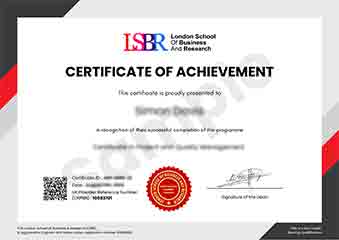
Sample Certificate
Preview the certificate you'll receive upon successful completion of this program.
Get Free Course Info
Enter your details and we'll send you a comprehensive course information pack straight to your inbox.
Employer Sponsored Training
Let your employer invest in your professional development. Request a corporate invoice and get your training funded.
Request Corporate InvoiceWhat People Say About Us
Hear from our students about their experience with the Executive Development Programme in Accessibility Standards in UI Development at LSBRX - Executive Education.
Charlotte Williams
United Kingdom"The course provided in-depth material on accessibility standards, which significantly enhanced my understanding and practical skills in UI development. I now feel better equipped to create user-friendly interfaces that cater to a wider audience, which is a huge career benefit."
Oliver Davies
United Kingdom"The Executive Development Programme in Accessibility Standards in UI Development has significantly enhanced my understanding of accessibility principles, making my skills highly relevant in the tech industry. This program has not only improved my ability to create user-friendly interfaces but has also opened up new career opportunities in inclusive design."
Oliver Davies
United Kingdom"The course structure was well-organized, providing a clear path from foundational accessibility concepts to advanced UI development techniques, which greatly enhanced my understanding and practical skills in creating inclusive user interfaces. The comprehensive content and real-world applications were particularly beneficial, as they helped me apply theoretical knowledge to solve actual design challenges."