
Executive Development Programme in Algorithm Design for Real World Problems
This program equips executives with advanced algorithmic skills to solve real-world problems, enhancing strategic decision-making and innovation.
Executive Development Programme in Algorithm Design for Real World Problems
Programme Overview
The Executive Development Programme in Algorithm Design for Real-World Problems is tailored for mid-to-senior level professionals in technology, finance, healthcare, and other sectors who seek to enhance their ability to solve complex and challenging problems through advanced algorithm design. This program is designed to equip participants with the latest techniques and methodologies for developing algorithms that can be applied to real-world scenarios, ensuring they can drive innovation and lead their organizations towards data-driven decision-making.
Participants will develop a comprehensive set of skills, including advanced algorithm analysis, optimization techniques, machine learning fundamentals, and data structure design. They will also gain proficiency in applying these skills to specific industry challenges, such as predictive analytics, big data processing, and cybersecurity. Through hands-on projects and case studies, learners will refine their ability to design, implement, and evaluate algorithms that address real-world issues effectively.
This program significantly impacts career trajectories by enabling executives to lead more data-driven initiatives, improve operational efficiency, and innovate in their respective fields. Graduates will be better positioned to contribute to strategic decision-making, spearhead technological advancements, and drive business growth through the effective application of algorithmic solutions.
What You'll Learn
The 'Executive Development Programme in Algorithm Design for Real World Problems' is a transformative initiative tailored for executives and managers seeking to harness the power of algorithms to drive innovation and solve complex business challenges. This program is designed to bridge the gap between theoretical knowledge and practical application, equipping participants with the skills to design, implement, and optimize algorithms that can significantly enhance decision-making processes and operational efficiency.
Key topics covered include algorithmic thinking, data structures, optimization techniques, machine learning fundamentals, and ethical considerations in algorithm design. Participants will engage in hands-on workshops, real-world case studies, and collaborative projects, ensuring that they emerge with a comprehensive understanding of how algorithms can be applied to address specific business needs.
Graduates of this program will be well-prepared to lead projects that require advanced algorithmic solutions, such as predictive analytics, process automation, and data-driven strategy development. They will also be able to mentor teams and foster a culture of innovation within their organizations. Career opportunities extend to leadership roles in tech startups, large corporations, and consultancy firms, where algorithmic expertise is increasingly in demand.
By the end of the program, participants will have the confidence and capability to design algorithms that not only solve real-world problems but also contribute to the strategic growth and competitiveness of their organizations.
Programme Highlights
Industry-Aligned Curriculum
Developed with industry leaders for job-ready skills valued by employers worldwide.
Globally Recognised Certificate
Recognised by employers across 180+ countries as a mark of professional excellence.
Flexible Online Learning
Study at your own pace with lifetime access to all course materials and updates.
Instant Access
Start learning immediately — no application process or waiting period required.
Constantly Updated Content
Stay ahead with the latest industry trends, best practices, and emerging insights.
Career Advancement
87% of graduates report measurable career progression within 6 months of completion.
Topics Covered
- 1. Introduction to Algorithm Design: Learners will understand the foundational concepts of algorithm design, including problem modeling, algorithm analysis, and basic data structures. They will gain skills in evaluating the efficiency and correctness of algorithms.
- 2. Fundamental Algorithms: This module focuses on essential algorithms such as sorting, searching, and graph traversal. Learners will study algorithms like QuickSort, Binary Search, and Depth-First Search, enhancing their ability to implement and optimize algorithms for real-world applications.
- 3. Design Patterns for Algorithm Development: Learners will explore common design patterns used in algorithm development, such as divide-and-conquer, greedy algorithms, and dynamic programming. They will learn to apply these patterns to solve complex problems efficiently.
- 4. Data Structures for Algorithm Optimization: This module covers advanced data structures like heaps, hash tables, and tries, and how to use them to optimize algorithm performance. Learners will gain practical skills in choosing and implementing appropriate data structures for different scenarios.
- 5. Real-World Problem Analysis: Learners will practice analyzing real-world problems to identify the most suitable algorithms and data structures. They will learn how to break down complex problems into manageable sub-problems and choose the best approach to solve them.
- 6. Algorithm Implementation and Debugging: This module focuses on hands-on implementation of algorithms. Learners will write, debug, and test their own code to solve real-world problems, gaining proficiency in algorithm implementation and debugging techniques.
- 7. Advanced Algorithm Topics: Learners will delve into advanced topics such as computational complexity, NP-completeness, and approximation algorithms. They will gain insights into the limitations of algorithms and how to work within these constraints.
- 8. Machine Learning Algorithms: This module introduces learners to machine learning algorithms and their application in algorithm design. Learners will study algorithms like decision trees, neural networks, and reinforcement learning, and understand how they can be integrated into algorithmic solutions.
- 9. Practical Case Studies: Learners will work on case studies involving complex real-world problems, applying the algorithms and techniques learned in previous modules. They will gain experience in solving practical problems and understand the importance of algorithmic thinking in real-world scenarios.
- 10. Leadership and Communication in Algorithm Development: This module focuses on the soft skills necessary for successful algorithm development in a team setting. Learners will learn how to communicate algorithmic solutions effectively, lead team projects, and manage time and resources efficiently.
What You Get When You Enroll
Secure checkout • Instant access • Certificate included
Key Facts
Audience: Mid-career professionals, engineers
Prerequisites: Basic programming, problem-solving skills
Outcomes: Enhanced algorithm design, real-world problem-solving
Ready to get started?
Join thousands of professionals who already took the next step. Enroll now and get instant access.
Enroll Now — $199Why This Course
Enhanced Problem-Solving Skills: This program equips professionals with advanced algorithm design techniques, enabling them to tackle complex real-world challenges more effectively. By learning to optimize algorithms for efficiency and scalability, participants can improve their decision-making and innovation capabilities, which are crucial in today’s data-driven industries.
Career Advancement Opportunities: Participants in the Executive Development Programme gain a competitive edge in their careers. The program’s focus on practical applications of algorithms prepares them for leadership roles where they can implement strategic solutions. This can lead to higher positions within their organizations or new opportunities in cutting-edge tech sectors.
Interdisciplinary Knowledge Integration: The curriculum integrates algorithm design with business analytics, allowing professionals to bridge the gap between technical expertise and business strategy. This interdisciplinary approach enhances their ability to work across departments and contribute to cross-functional projects, thereby increasing their value to the organization.
Networking and Collaboration: The program offers a platform for professionals to connect with industry leaders and peers. These networks can provide mentorship, collaborative opportunities, and insights into emerging trends, fostering a supportive and innovative environment that accelerates career growth.
Your Path to Certification
Trusted by Professionals Worldwide
Course Brochure
Download our comprehensive course brochure with all details
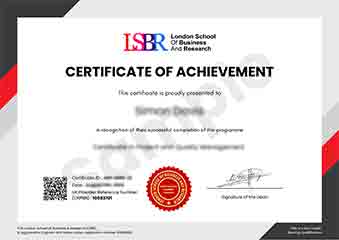
Sample Certificate
Preview the certificate you'll receive upon successful completion of this program.
Get Free Course Info
Enter your details and we'll send you a comprehensive course information pack straight to your inbox.
Employer Sponsored Training
Let your employer invest in your professional development. Request a corporate invoice and get your training funded.
Request Corporate InvoiceWhat People Say About Us
Hear from our students about their experience with the Executive Development Programme in Algorithm Design for Real World Problems at LSBRX - Executive Education.
Sophie Brown
United Kingdom"The course provided high-quality, real-world problem-solving techniques that significantly enhanced my ability to design efficient algorithms. Gaining these practical skills has already opened up new opportunities in my career, making me more confident in tackling complex challenges."
Kai Wen Ng
Singapore"This course has been incredibly valuable, equipping me with advanced algorithmic skills that are directly applicable to real-world challenges in my field. It has not only enhanced my problem-solving abilities but also opened up new career opportunities in tech and data analysis."
Ryan MacLeod
Canada"The course structure was meticulously organized, seamlessly blending theoretical concepts with practical real-world applications, which significantly enhanced my understanding and prepared me for tackling complex algorithmic challenges in my professional life."