
Executive Development Programme in Biodiversity Data Analysis for Conservation
This programme equips executives with advanced biodiversity data analysis skills to drive effective conservation strategies and sustainable practices.
Executive Development Programme in Biodiversity Data Analysis for Conservation
Programme Overview
The Executive Development Programme in Biodiversity Data Analysis for Conservation is designed for senior-level professionals, conservationists, and policy makers seeking to enhance their analytical skills in managing and interpreting biodiversity data. This program equips participants with the latest methodologies and tools for data analysis, critical thinking, and strategic planning essential for effective conservation efforts.
Throughout the program, learners will develop a robust set of skills including advanced data analysis techniques using statistical software, understanding of biodiversity databases, and the ability to interpret complex ecological data. They will also learn to apply these skills to inform conservation policies, monitor environmental changes, and support decision-making processes. A key component of the program is hands-on training in data visualization, which is crucial for effective communication of conservation findings to a variety of stakeholders, from scientists to policymakers.
The career impact of this program is significant, as graduates will be well-prepared to lead projects that integrate data-driven approaches into conservation strategies. They will enhance their ability to address critical environmental challenges, contribute to the development of evidence-based policies, and drive sustainable conservation practices. Participants can expect to advance in their careers, take on more strategic roles, and make substantial contributions to the field of biodiversity conservation.
What You'll Learn
The Executive Development Programme in Biodiversity Data Analysis for Conservation is a transformative initiative designed to empower professionals with the skills necessary to lead impactful biodiversity conservation efforts. This program equips participants with advanced analytical tools and methodologies to manage and interpret complex biodiversity data, fostering evidence-based decision-making in conservation strategies.
Key topics include advanced statistical analysis, species distribution modeling, remote sensing, and data visualization techniques. Participants will engage in case studies and collaborate on real-world projects, applying these skills to address critical conservation challenges. By the end of the program, graduates will be adept at using data to inform policy, support conservation planning, and enhance community engagement in biodiversity preservation.
This program opens doors to diverse career opportunities in governments, non-profits, research institutions, and international organizations. Graduates can lead data-driven conservation initiatives, contribute to policy development, or spearhead innovative projects that utilize data to protect ecosystems and species. Whether aiming to enhance conservation efforts in your current role or seeking a new challenge, this program provides the foundation to drive meaningful change in the field of biodiversity conservation.
Programme Highlights
Industry-Aligned Curriculum
Developed with industry leaders for job-ready skills valued by employers worldwide.
Globally Recognised Certificate
Recognised by employers across 180+ countries as a mark of professional excellence.
Flexible Online Learning
Study at your own pace with lifetime access to all course materials and updates.
Instant Access
Start learning immediately — no application process or waiting period required.
Constantly Updated Content
Stay ahead with the latest industry trends, best practices, and emerging insights.
Career Advancement
87% of graduates report measurable career progression within 6 months of completion.
Topics Covered
- 1. Introduction to Biodiversity and Conservation: Learners will study the basics of biodiversity, key concepts in conservation, and the importance of data in biodiversity management. They will gain foundational knowledge in ecology and conservation biology, essential for understanding biodiversity data.
- 2. Data Collection Techniques in Biodiversity Research: This module covers various methods for collecting biodiversity data, including field surveys, remote sensing, and citizen science. Learners will develop skills in designing effective data collection strategies and understanding the limitations of different methods.
- 3. Introduction to Data Management and Analysis: Learners will learn the basics of data management, including data organization, cleaning, and visualization. They will also be introduced to statistical tools and software for analyzing biodiversity data, gaining practical skills in data handling and preliminary analysis.
- 4. Species Distribution Modeling: This module focuses on advanced techniques for predicting species distributions based on environmental variables. Learners will understand the principles behind species distribution models and gain hands-on experience using software to create and interpret these models.
- 5. Genetic Data Analysis for Biodiversity: Learners will study the use of genetic data in biodiversity research, including techniques for DNA extraction, sequencing, and analysis. They will learn how to interpret genetic data to understand species relationships and population dynamics.
- 6. Remote Sensing for Biodiversity Monitoring: This module covers the application of remote sensing technologies in monitoring changes in biodiversity over time. Learners will learn how to use satellite imagery and other remote sensing data to assess ecosystem health and track changes in biodiversity.
- 7. Advanced Data Analysis Techniques: In this module, learners will explore advanced statistical methods for analyzing complex biodiversity data sets. Topics include machine learning, spatial analysis, and multivariate statistical techniques. Practical skills in analyzing and interpreting large data sets will be developed.
- 8. Conservation Planning and Decision Support: This module focuses on using biodiversity data to inform conservation planning and decision-making. Learners will learn how to integrate data analysis with conservation goals and develop strategies for effective conservation action.
- 9. Communication and Reporting Biodiversity Data: Learners will learn how to effectively communicate biodiversity data and findings to stakeholders, including policymakers, conservation practitioners, and the public. Skills in report writing, presentations, and data visualization will be emphasized.
- 10. Ethical Considerations in Biodiversity Data Analysis: This final module addresses the ethical implications of biodiversity data analysis, including issues of data privacy, ownership, and the responsible use of data in conservation. Learners will gain an understanding of the ethical frameworks guiding biodiversity research and conservation.
What You Get When You Enroll
Secure checkout • Instant access • Certificate included
Key Facts
Audience: Conservationists, researchers, policymakers
Prerequisites: Basic statistics, computer literacy
Outcomes: Competent in biodiversity data analysis, enhanced conservation strategies
Ready to get started?
Join thousands of professionals who already took the next step. Enroll now and get instant access.
Enroll Now — $199Why This Course
Enhanced Professional Competence: Professionals choosing the Executive Development Programme in Biodiversity Data Analysis for Conservation will gain advanced skills in data analysis, statistical modeling, and bioinformatics. These skills are crucial for interpreting complex biodiversity data, which informs effective conservation strategies.
Career Advancement Opportunities: The programme equips participants with the knowledge to apply data-driven approaches to conservation projects, making them more valuable in research institutions, government agencies, and non-profit organizations focused on biodiversity and ecosystem health.
Interdisciplinary Expertise: By integrating expertise in biology, statistics, and information technology, the programme fosters a comprehensive understanding of how technological tools can be used to address environmental challenges. This interdisciplinary approach prepares professionals to lead innovative conservation initiatives that require collaboration across different sectors.
Networking and Collaboration: The programme offers a platform for professionals to connect with leading experts and peers in the field. These networks can lead to collaborative opportunities, research partnerships, and career advancements, contributing to a broader impact on global conservation efforts.
Your Path to Certification
Trusted by Professionals Worldwide
Course Brochure
Download our comprehensive course brochure with all details
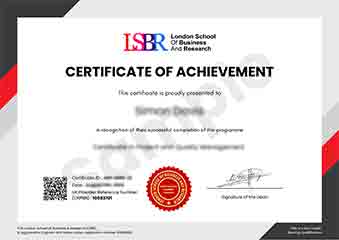
Sample Certificate
Preview the certificate you'll receive upon successful completion of this program.
Get Free Course Info
Enter your details and we'll send you a comprehensive course information pack straight to your inbox.
Employer Sponsored Training
Let your employer invest in your professional development. Request a corporate invoice and get your training funded.
Request Corporate InvoiceWhat People Say About Us
Hear from our students about their experience with the Executive Development Programme in Biodiversity Data Analysis for Conservation at LSBRX - Executive Education.
Sophie Brown
United Kingdom"The course content was incredibly thorough and well-researched, providing a solid foundation in biodiversity data analysis that has been invaluable for my career. I gained practical skills that I can immediately apply to real-world conservation projects, enhancing my ability to make data-driven decisions."
Oliver Davies
United Kingdom"This course has been incredibly practical, equipping me with the skills to analyze biodiversity data effectively. It has directly enhanced my ability to contribute to conservation efforts, making my work more impactful and aligned with industry needs."
Charlotte Williams
United Kingdom"The course structure was meticulously organized, providing a seamless progression from foundational concepts to advanced analytical techniques, which significantly enhanced my understanding of biodiversity data analysis. The comprehensive content and real-world applications have equipped me with valuable skills for professional growth in conservation efforts."