
Executive Development Programme in Collaborative Care Models for Complex Patients
This programme equips executives with strategies for effective collaborative care, enhancing patient outcomes and improving healthcare team dynamics for complex cases.
Executive Development Programme in Collaborative Care Models for Complex Patients
Programme Overview
The Executive Development Programme in Collaborative Care Models for Complex Patients is designed for healthcare executives and leaders who are responsible for overseeing the care of complex and critically ill patients. This program equips participants with the advanced knowledge and skills necessary to implement and manage interdisciplinary care teams effectively. Participants will learn about the latest research and best practices in collaborative care models, including evidence-based strategies for improving patient outcomes, reducing readmissions, and enhancing patient and family engagement.
Learners will develop key skills in strategic leadership, interprofessional collaboration, and data-driven decision-making. They will gain proficiency in facilitating effective team communication, managing conflicts, and leveraging technology to streamline care processes. The program also emphasizes the importance of patient-centered care and the use of patient feedback to drive continuous improvement in clinical care delivery. By the end of the program, participants will be adept at fostering a culture of collaboration and innovation within their organizations, ensuring that complex patients receive the highest quality and most effective care.
Career impact is substantial for participants of this program. Upon completion, executives will be better positioned to lead healthcare organizations that are innovative, patient-centric, and aligned with evolving healthcare trends. They will have the knowledge and tools to transform their institutions, improve patient care, and enhance operational efficiency. This program not only supports individual career advancement but also contributes to the broader goal of improving patient outcomes and advancing the field of healthcare.
What You'll Learn
The Executive Development Programme in Collaborative Care Models for Complex Patients is a transformative initiative designed for healthcare leaders aiming to enhance patient outcomes through innovative, interdisciplinary approaches. This program equips participants with the knowledge and skills to manage complex patient care effectively, emphasizing collaboration among healthcare professionals, patients, and their families.
Key topics include advanced care planning, integrating technology in patient care, interdisciplinary team leadership, and ethical considerations in complex care. Participants engage in case studies, interactive workshops, and real-world simulations to apply these concepts. The programme fosters a deep understanding of how to navigate complex care scenarios, ensuring patients receive holistic, patient-centered care.
Graduates of the programme are well-prepared to lead initiatives that improve patient outcomes, enhance service delivery, and drive policy changes. They can advance in leadership roles, such as chief nursing officers, chief medical officers, or executive directors of healthcare organizations. Furthermore, they gain the skills to innovate and implement collaborative care models, contributing to a more efficient and effective healthcare system.
This programme is ideal for healthcare executives who seek to elevate their leadership capabilities and drive meaningful change in patient care. By participating, professionals can significantly enhance their ability to lead and manage complex patient care, ensuring that every patient receives the highest quality of care.
Programme Highlights
Industry-Aligned Curriculum
Developed with industry leaders for job-ready skills valued by employers worldwide.
Globally Recognised Certificate
Recognised by employers across 180+ countries as a mark of professional excellence.
Flexible Online Learning
Study at your own pace with lifetime access to all course materials and updates.
Instant Access
Start learning immediately — no application process or waiting period required.
Constantly Updated Content
Stay ahead with the latest industry trends, best practices, and emerging insights.
Career Advancement
87% of graduates report measurable career progression within 6 months of completion.
Topics Covered
- 1. Introduction to Collaborative Care Models: Learners will explore the foundational concepts of collaborative care models, understanding the importance of interdisciplinary teamwork in managing complex patient cases. They will gain skills in recognizing the benefits and challenges of such models.
- 2. Patient-Centered Care Principles: Studying patient-centered care principles, learners will learn how to prioritize patient needs and preferences, and develop communication strategies to enhance patient engagement and satisfaction. Practical skills include conducting effective patient interviews and assessments.
- 3. Interdisciplinary Team Dynamics: This module focuses on the dynamics within interdisciplinary teams, including role clarity, effective communication, and conflict resolution. Learners will practice collaboration techniques and build skills in leading and participating in team meetings.
- 4. Evidence-Based Practice in Complex Cases: Examining evidence-based practices, learners will learn to apply research and clinical guidelines to complex patient cases. They will develop skills in critically evaluating clinical evidence and translating it into effective patient care plans.
- 5. Complex Patient Needs Assessment: Understanding how to assess the multifaceted needs of complex patients, learners will learn to integrate physical, psychological, social, and environmental factors into comprehensive care plans. Practical skills include using assessment tools and developing personalized care plans.
- 6. Advanced Communication Strategies: Focusing on advanced communication strategies, learners will enhance their ability to communicate effectively with patients, families, and other healthcare professionals. Skills include managing difficult conversations, providing sensitive and compassionate care, and facilitating family involvement in care.
- 7. Technology and Patient Care: Exploring the role of technology in collaborative care models, learners will learn to use digital tools and platforms to support patient care, including electronic health records, telehealth, and patient portals. Practical skills include managing digital health information and enhancing patient engagement through technology.
- 8. Quality Improvement and Patient Safety: This module covers quality improvement methods and patient safety practices in the context of collaborative care models. Learners will develop skills in identifying and addressing quality issues, implementing patient safety initiatives, and promoting a culture of continuous improvement.
- 9. Leadership and Advocacy in Collaborative Care: Focusing on leadership roles and advocacy in collaborative care, learners will learn to advocate for patients and improve systems of care. Skills include developing leadership qualities, influencing change, and advocating for patient rights and needs.
- 10. Case Studies and Application: Applying theoretical knowledge to real-world scenarios through case studies, learners will analyze complex patient cases, develop care plans, and reflect on collaborative care practices. Skills include critical thinking, problem-solving, and evidence-based decision-making in complex care settings.
What You Get When You Enroll
Secure checkout • Instant access • Certificate included
Key Facts
Audience: Healthcare professionals, managers, educators
Prerequisites: Basic medical knowledge, leadership experience
Outcomes: Enhanced collaborative skills, improved patient care, advanced communication techniques
Ready to get started?
Join thousands of professionals who already took the next step. Enroll now and get instant access.
Enroll Now — $199Why This Course
Enhance Clinical Competence: Participating in an Executive Development Programme in Collaborative Care Models for Complex Patients can significantly enhance professionals' clinical skills. The program focuses on advanced care plans, interdisciplinary team management, and evidence-based practice, which are crucial for addressing complex patient needs effectively.
Foster Interdisciplinary Collaboration: The program equips professionals with the skills to lead and participate in interdisciplinary teams. Through workshops and case studies, participants learn to communicate effectively, resolve conflicts, and align diverse expertise towards patient-centered outcomes.
Develop Leadership Qualities: Leaders in healthcare need to inspire and guide teams. This program offers opportunities to develop leadership skills, including strategic planning, team building, and conflict resolution. These skills are essential for managing complex care environments and driving organizational change.
Stay Updated with Innovations: Healthcare practices evolve rapidly. The program keeps professionals updated with the latest developments in collaborative care models, ensuring they can adapt to new technologies and methodologies. This ongoing education is vital for maintaining high standards of patient care and advancing professional capabilities.
Your Path to Certification
Trusted by Professionals Worldwide
Course Brochure
Download our comprehensive course brochure with all details
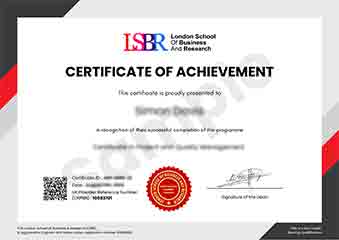
Sample Certificate
Preview the certificate you'll receive upon successful completion of this program.
Get Free Course Info
Enter your details and we'll send you a comprehensive course information pack straight to your inbox.
Employer Sponsored Training
Let your employer invest in your professional development. Request a corporate invoice and get your training funded.
Request Corporate InvoiceWhat People Say About Us
Hear from our students about their experience with the Executive Development Programme in Collaborative Care Models for Complex Patients at LSBRX - Executive Education.
Oliver Davies
United Kingdom"The course provided deep insights into collaborative care models, equipping me with practical skills to manage complex patient cases more effectively. It has significantly enhanced my ability to coordinate interdisciplinary teams and improve patient outcomes, making it highly beneficial for my career."
Isabella Dubois
Canada"The Executive Development Programme in Collaborative Care Models for Complex Patients has significantly enhanced my ability to manage interdisciplinary teams effectively, leading to more streamlined care processes and better patient outcomes. This program has not only deepened my understanding of complex care models but also equipped me with practical tools that I immediately applied to advance my career in healthcare management."
Rahul Singh
India"The course is meticulously structured, offering a seamless transition from theoretical concepts to practical applications, which significantly enhances my understanding and prepares me for real-world challenges in collaborative care. It has been instrumental in broadening my professional horizons and equipping me with the knowledge to manage complex patient cases more effectively."