
Executive Development Programme in Comparative Language Instruction Techniques
Master data-driven comparative language instruction techniques approaches for better decision-making. Transform insights into actionable strategies.
Executive Development Programme in Comparative Language Instruction Techniques
Programme Overview
The Executive Development Programme in Comparative Language Instruction Techniques is designed for educators, instructional leaders, and professionals in the field of language education who aim to enhance their teaching methodologies and leadership skills. This program offers an in-depth exploration of various language instruction techniques, including modern pedagogical approaches, technology integration, and culturally responsive teaching. It also provides a comparative analysis of different language instruction models from around the world, enabling learners to draw upon a rich array of teaching practices.
Participants in this program will develop key skills in curriculum design, assessment, and evaluation, as well as advanced techniques for fostering a multilingual learning environment. They will gain expertise in leveraging digital tools and resources to enhance language learning, and they will learn to implement evidence-based instructional strategies that cater to diverse learner needs. Additionally, the program equips learners with the ability to lead professional development initiatives and create supportive learning communities for language educators.
The career impact of this program is significant, as it prepares professionals to lead innovative language education programs, drive institutional change, and contribute to the global discourse on language instruction. Graduates will be well-equipped to design and implement effective language learning programs, mentor other educators, and advocate for language education policies that promote equitable access and excellence.
What You'll Learn
The Executive Development Programme in Comparative Language Instruction Techniques is an immersive, two-year course designed for educational leaders, language instructors, and administrators seeking to enhance their teaching methodologies and administrative skills. This program equips participants with a deep understanding of various language instruction techniques, including phonetics, grammar, vocabulary acquisition, and cultural immersion strategies, by comparing and contrasting global approaches.
Key topics include the psychology of language learning, technology integration in the classroom, assessment practices, and the role of culture in language instruction. Participants engage in hands-on workshops, case studies, and real-world simulations, enabling them to refine their teaching strategies and leadership skills. Upon completion, graduates are well-prepared to lead language departments, develop curriculum, and implement innovative instructional methods.
This program opens doors to diverse career opportunities, including roles as instructional designers, curriculum developers, educational consultants, and program directors in language education. Graduates can also leverage their expertise to enhance language programs in schools, universities, and organizations globally. By fostering a comprehensive understanding of language instruction techniques, this program empowers educators to create inclusive, effective, and engaging learning environments.
Programme Highlights
Industry-Aligned Curriculum
Developed with industry leaders for job-ready skills valued by employers worldwide.
Globally Recognised Certificate
Recognised by employers across 180+ countries as a mark of professional excellence.
Flexible Online Learning
Study at your own pace with lifetime access to all course materials and updates.
Instant Access
Start learning immediately — no application process or waiting period required.
Constantly Updated Content
Stay ahead with the latest industry trends, best practices, and emerging insights.
Career Advancement
87% of graduates report measurable career progression within 6 months of completion.
Topics Covered
- 1. Introduction to Comparative Language Instruction Techniques: Learners will explore the foundational concepts of language instruction techniques across various languages and cultures. They will gain an understanding of the importance of pedagogical approaches and how they can be adapted to different linguistic contexts.
- 2. Pedagogical Theories in Language Education: This module delves into key theories and models that underpin effective language teaching and learning. Participants will analyze various theoretical frameworks and their practical applications in the classroom.
- 3. Language Assessment and Evaluation: Learners will study methods of assessing language proficiency and developing evaluation tools. Practical skills in creating, administering, and interpreting language assessments will be developed.
- 4. Technology in Language Instruction: This module covers the integration of digital tools and resources in language teaching. Participants will learn to select and implement appropriate technologies to enhance language learning outcomes.
- 5. Culture and Language Instruction: Focusing on the role of culture in language learning, this module explores how cultural awareness can enrich instructional practices. Learners will develop strategies for incorporating cultural elements into their teaching.
- 6. Multilingual Classroom Management: Participants will learn to manage diverse multilingual classrooms effectively. Key skills include creating inclusive learning environments and addressing the needs of learners with different linguistic backgrounds.
- 7. Language Instruction for Specific Populations: This module addresses the unique challenges and strategies for teaching specific populations such as children, adults, and learners with special needs. Practical techniques for adapting instruction to these groups will be covered.
- 8. Research Methods in Language Instruction: Learners will be introduced to various research methods used in language instruction. They will conduct a small-scale research project to apply these methods in a real-world context.
- 9. Leadership and Management in Language Education: This module focuses on leadership skills relevant to language education settings. Participants will learn to manage teams, implement policies, and lead professional development initiatives.
- 10. Global Perspectives on Language Instruction: Participants will engage with global perspectives on language instruction through case studies and international collaborations. They will develop a broader understanding of the global landscape of language education.
What You Get When You Enroll
Secure checkout • Instant access • Certificate included
Key Facts
Audience: Educators, trainers, language instructors
Prerequisites: Basic knowledge of language teaching
Outcomes: Master comparative techniques, enhance instructional skills, improve student engagement
Ready to get started?
Join thousands of professionals who already took the next step. Enroll now and get instant access.
Enroll Now — $199Why This Course
Enhance Interpersonal Skills: Participating in an Executive Development Programme in Comparative Language Instruction Techniques equips professionals with advanced pedagogical strategies. This deepens their understanding of diverse learning styles, enabling them to foster stronger relationships with students and colleagues. Improved interpersonal skills are crucial for effective leadership and collaboration in educational settings.
Elevate Teaching Methods: The programme offers insights into various instructional techniques from different linguistic traditions. By integrating these methods, educators can tailor their approach to better meet the needs of a diverse student body. This adaptability enhances teaching quality and student engagement, leading to better academic outcomes.
Boost Career Advancement: Acquiring these specialized skills positions professionals as leaders in language education. Many programmes also offer networking opportunities with industry experts and peers, which can lead to mentorship and career advancement. This enhanced profile and experience can open doors to leadership roles or specialized teaching positions in schools or educational institutions.
Cultivate Cultural Competence: The programme promotes understanding of different cultural contexts and languages. This cultural competence is vital in today’s globalized world, where educators must navigate diverse classrooms and international collaborations. Such competence not only enriches the learning environment but also prepares professionals for roles in multicultural settings.
Your Path to Certification
Trusted by Professionals Worldwide
Course Brochure
Download our comprehensive course brochure with all details
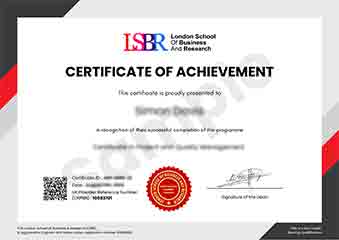
Sample Certificate
Preview the certificate you'll receive upon successful completion of this program.
Get Free Course Info
Enter your details and we'll send you a comprehensive course information pack straight to your inbox.
Employer Sponsored Training
Let your employer invest in your professional development. Request a corporate invoice and get your training funded.
Request Corporate InvoiceWhat People Say About Us
Hear from our students about their experience with the Executive Development Programme in Comparative Language Instruction Techniques at LSBRX - Executive Education.
Oliver Davies
United Kingdom"The course provided an in-depth look at various language instruction techniques, which significantly enhanced my ability to design effective lesson plans. Gaining insights into comparative methods has been incredibly beneficial for my career, offering practical tools to improve student engagement and outcomes."
Kavya Reddy
India"The Executive Development Programme in Comparative Language Instruction Techniques has significantly enhanced my ability to implement effective language teaching strategies in the corporate setting, making my role more impactful and aligning closely with industry needs. This program has not only deepened my understanding of various instructional techniques but also provided practical tools that I've successfully applied to boost team performance and employee engagement."
Muhammad Hassan
Malaysia"The course structure is meticulously organized, providing a clear pathway for understanding various language instruction techniques, which has significantly enhanced my ability to apply these methods in diverse educational settings. The comprehensive content not only deepens my theoretical knowledge but also equips me with practical tools for professional growth in the field of language education."