
Executive Development Programme in Creating Immersive Environments with VR Design
This programme equips executives with skills to design and lead immersive VR environments, driving innovation and engagement in their organizations.
Executive Development Programme in Creating Immersive Environments with VR Design
Programme Overview
The Executive Development Programme in Creating Immersive Environments with VR Design is designed for professionals in the fields of architecture, interior design, engineering, and digital media, as well as those in leadership roles who wish to enhance their ability to design and manage virtual reality (VR) projects. The programme focuses on the latest technologies and methodologies for creating immersive environments, integrating both technical skills and creative strategies to foster innovation and leadership in the VR industry.
Participants will develop a comprehensive skill set, including advanced VR software usage, such as Unity and Unreal Engine, spatial design principles, and user experience (UX) design for VR applications. They will also gain proficiency in D modeling, texturing, and lighting techniques specific to VR environments, as well as learn to leverage VR for strategic business solutions, enhance team collaboration through VR tools, and manage VR projects from concept to completion.
The career impact of this programme is significant, equipping participants with the expertise to lead innovative VR projects, drive business value through immersive design, and foster a culture of creativity and technological advancement in their organizations. Graduates will be well-prepared to take on leadership roles in VR design and development, contributing to the creation of cutting-edge immersive experiences that shape the future of digital spaces.
What You'll Learn
Embark on a transformative journey with the 'Executive Development Programme in Creating Immersive Environments with VR Design.' This cutting-edge program equips leaders with the skills to shape the future of interactive experiences, blending technology and creativity to enhance user engagement and drive innovation. Participants will explore key areas such as virtual reality fundamentals, spatial design principles, user experience optimization, and cutting-edge tools for VR content creation. By the end of the program, graduates will have a comprehensive understanding of VR design methodologies, enabling them to craft immersive environments that captivate audiences in sectors ranging from entertainment and gaming to education and healthcare.
Graduates will apply their skills to develop impactful VR experiences, from educational modules that enhance learning through interactive simulations to therapeutic tools that offer new approaches to mental health treatment. They will also gain insights into market trends, user behavior, and the integration of VR into broader digital strategies. The program offers unparalleled networking opportunities, connecting participants with industry leaders and innovators who can provide mentorship and guidance.
Career opportunities abound for program graduates, including roles as VR designers, digital experience architects, and innovation strategists. This program is designed for executives, creative directors, and professionals eager to leverage VR to transform industries and lead the charge in creating the next generation of immersive experiences. Join us to redefine the boundaries of what's possible in virtual reality.
Programme Highlights
Industry-Aligned Curriculum
Developed with industry leaders for job-ready skills valued by employers worldwide.
Globally Recognised Certificate
Recognised by employers across 180+ countries as a mark of professional excellence.
Flexible Online Learning
Study at your own pace with lifetime access to all course materials and updates.
Instant Access
Start learning immediately — no application process or waiting period required.
Constantly Updated Content
Stay ahead with the latest industry trends, best practices, and emerging insights.
Career Advancement
87% of graduates report measurable career progression within 6 months of completion.
Topics Covered
- 1. Introduction to Virtual Reality (VR): Learners will explore the basics of VR technology and its applications, understanding key concepts like 360-degree environments and interaction design. They will gain foundational skills in using VR software and tools.
- 2. Immersive Environment Design Fundamentals: This module covers the principles of creating immersive environments, including spatial design, lighting, and sound. Learners will develop skills in designing visually appealing and acoustically effective VR spaces.
- 3. Advanced Interaction Techniques in VR: Focusing on user interaction within VR environments, learners will study advanced techniques such as hand gestures, spatial navigation, and object manipulation. Practical skills in implementing these interactions will be developed.
- 4. Storytelling and Narrative in VR: Learners will learn how to create engaging stories and narratives for VR experiences. They will develop the ability to structure content and design compelling user journeys within VR environments.
- 5. 3D Modeling and Texturing for VR: This module provides training in 3D modeling software and texturing techniques essential for creating realistic and immersive VR environments. Practical exercises will enhance learners' 3D modeling and texturing skills.
- 6. VR Audio Design: Learners will study the principles of sound design for VR, including spatial audio and implementing realistic soundscapes. They will gain hands-on experience in designing and integrating audio elements into VR experiences.
- 7. VR User Experience (UX) Design: Focusing on user experience design in VR, learners will learn how to optimize interactions and navigation to enhance user satisfaction. Practical skills in UX design for VR will be developed.
- 8. Advanced VR Development Tools and Technologies: This module explores advanced tools and technologies used in VR development, including VR engines and programming languages. Learners will gain proficiency in using these tools to develop complex VR applications.
- 9. VR Project Management and Team Collaboration: Covering project management in the context of VR development, this module teaches learners how to manage VR projects from concept to completion. Skills in team collaboration and communication will also be developed.
- 10. Case Studies and Portfolio Development: Learners will analyze successful VR projects and apply their knowledge to develop their own VR projects. This module focuses on portfolio development and preparing learners for the professional environment.
What You Get When You Enroll
Secure checkout • Instant access • Certificate included
Key Facts
Audience: Architects, designers, tech professionals
Prerequisites: Basic VR experience, design knowledge
Outcomes: Master VR design, create immersive environments, enhance project collaboration
Ready to get started?
Join thousands of professionals who already took the next step. Enroll now and get instant access.
Enroll Now — $199Why This Course
Enhance Professional Skills: Executives can significantly enhance their technical skills by learning how to design immersive environments using VR technology. This includes understanding VR design principles, user experience (UX) considerations, and how to create interactive content that engages audiences. These skills are highly valued in today’s tech-driven industries, providing a competitive edge.
Strategic Business Impact: By mastering VR design, professionals can contribute to strategic business initiatives aimed at innovation and customer engagement. For instance, VR can be used to create virtual tours of products, services, or real estate, which can attract more customers and increase sales. This aligns with business goals and helps drive revenue growth.
Career Advancement: Participating in an Executive Development Programme in VR Design can lead to career advancement opportunities. As companies increasingly invest in VR technology for various applications, professionals with expertise in this area are in high demand. This program equips executives with the knowledge and skills necessary to take on leadership roles that involve overseeing VR projects or integrating VR into business strategies.
Networking and Collaboration: The programme offers a platform to network with industry leaders and peers who are also exploring VR technology. This networking can lead to collaborative opportunities, sharing of best practices, and the potential for forming strategic partnerships, which are beneficial for career growth and organizational success.
Your Path to Certification
Trusted by Professionals Worldwide
Course Brochure
Download our comprehensive course brochure with all details
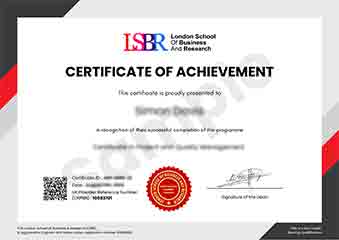
Sample Certificate
Preview the certificate you'll receive upon successful completion of this program.
Get Free Course Info
Enter your details and we'll send you a comprehensive course information pack straight to your inbox.
Employer Sponsored Training
Let your employer invest in your professional development. Request a corporate invoice and get your training funded.
Request Corporate InvoiceWhat People Say About Us
Hear from our students about their experience with the Executive Development Programme in Creating Immersive Environments with VR Design at LSBRX - Executive Education.
Charlotte Williams
United Kingdom"The course content was incredibly detailed and well-structured, providing a solid foundation in VR design principles that have directly enhanced my ability to create immersive environments. Gaining hands-on experience with the latest tools and techniques has been invaluable, and I've already seen improvements in my projects that will undoubtedly benefit my career in the VR industry."
Brandon Wilson
United States"The Executive Development Programme in Creating Immersive Environments with VR Design has significantly enhanced my ability to create realistic and engaging virtual experiences, which is highly valued in the tech industry. This program not only equipped me with the technical skills needed for VR design but also provided practical insights into how to apply these skills in real-world projects, opening up new career opportunities."
Fatimah Ibrahim
Malaysia"The course structure was meticulously organized, providing a seamless progression from foundational concepts to advanced VR design techniques, which greatly enhanced my understanding and practical application of immersive environments. The comprehensive content not only deepened my technical knowledge but also offered valuable insights into real-world scenarios, significantly boosting my professional growth in the field."