
Executive Development Programme in Custom Modules for Advanced User Interface Design
This program offers customized modules to enhance advanced user interface design skills, tailored to executive needs for innovation and leadership.
Executive Development Programme in Custom Modules for Advanced User Interface Design
Programme Overview
The Executive Development Programme in Custom Modules for Advanced User Interface Design is tailored for senior designers, product managers, and executives in the technology sector aiming to enhance their user interface (UI) design capabilities. This program focuses on the creation of intuitive, user-centric designs that drive user engagement and satisfaction. It is designed to cater to individuals with a foundational understanding of UI design principles who seek to deepen their expertise and explore advanced methodologies and tools.
Learners in this program will develop critical skills in advanced UI design techniques, including interaction design, visual design, and prototyping. They will gain proficiency in using the latest design software and tools, such as Figma, Sketch, and Adobe XD. The program also emphasizes the importance of user experience (UX) research and analytics, enabling participants to design interfaces that not only look aesthetically pleasing but also function effectively. Additionally, the curriculum includes modules on accessibility and inclusivity, ensuring that designs are usable by a wide range of users.
This program has a significant impact on careers within the tech industry. Participants will be better equipped to lead design projects, enhance product development processes, and innovate in user-centered design. They will also be able to communicate design concepts more effectively to stakeholders and contribute to the strategic direction of their organizations. The skills gained from this program are particularly valuable for roles such as Director of User Experience, Head of Design, and Senior Product Manager, where the ability to create compelling user experiences is crucial.
What You'll Learn
The Executive Development Programme in Custom Modules for Advanced User Interface Design is a cutting-edge initiative designed for professionals looking to enhance their skills in creating intuitive, user-centric interfaces. This program tailors its curriculum to the specific needs of participants, ensuring that each addresses unique challenges and trends in the field.
Key topics include the latest in interface design trends, user experience (UX) principles, interaction design, and accessibility. Participants learn to apply advanced design thinking methodologies, leveraging tools and technologies such as Sketch, Figma, and Adobe XD to create responsive and engaging UIs. The program emphasizes hands-on projects, where learners collaborate to design interfaces for real-world applications, fostering a deep understanding of the design process.
Upon completion, graduates are equipped to lead design teams, contribute to the development of innovative products, and improve user engagement in digital environments. They gain the ability to translate business goals into compelling user experiences, making them valuable assets in any tech-driven organization. Career opportunities span from UI/UX designers to product managers, with the potential to advance into leadership roles in design and technology. This program is not just an educational endeavor but a strategic investment in your professional growth and the future of interface design.
Programme Highlights
Industry-Aligned Curriculum
Developed with industry leaders for job-ready skills valued by employers worldwide.
Globally Recognised Certificate
Recognised by employers across 180+ countries as a mark of professional excellence.
Flexible Online Learning
Study at your own pace with lifetime access to all course materials and updates.
Instant Access
Start learning immediately — no application process or waiting period required.
Constantly Updated Content
Stay ahead with the latest industry trends, best practices, and emerging insights.
Career Advancement
87% of graduates report measurable career progression within 6 months of completion.
Topics Covered
- 1. Fundamentals of User Interface Design: Learners will study the core principles of UI design, including usability, accessibility, and visual hierarchy. They will gain skills in creating wireframes and basic prototypes using tools like Sketch or Figma.
- 2. Interaction Design and User Experience: This module covers the design of dynamic user interactions and the principles of user experience (UX). Learners will learn to create interactive prototypes and conduct user testing to refine their designs.
- 3. Advanced Visual Design Techniques: Focusing on advanced visual design principles, including color theory, typography, and layout techniques. Learners will apply these techniques to create visually stunning and user-friendly interfaces.
- 4. Responsive Design and Cross-Platform Development: Learners will delve into responsive design principles and best practices for developing user interfaces that work across multiple devices and screen sizes. They will also explore frameworks and tools for cross-platform development.
- 5. Interaction Design Patterns and Best Practices: This module explores common interaction patterns and best practices in UI design. Learners will learn to apply these patterns to solve common design problems and enhance user experience.
- 6. Accessibility in User Interface Design: Focusing on the importance of accessibility in UI design, learners will study how to design interfaces that are accessible to users with disabilities. They will learn to apply accessibility guidelines and test their designs for compliance.
- 7. Advanced Prototyping and Wireframing: Learners will advance their prototyping skills, covering techniques for creating interactive and functional prototypes. They will also learn to use advanced tools and methods for wireframing and visual design.
- 8. User Research and Empathy Mapping: This module covers user research methods and empathy mapping techniques. Learners will conduct user research, analyze findings, and create empathy maps to inform their design decisions.
- 9. Visual Storytelling in UI Design: Focusing on the role of visual storytelling in UI design, learners will learn techniques for using visual elements to guide users through an experience and convey complex information in a clear and engaging way.
- 10. Advanced User Interface Animation: Learners will explore advanced techniques for using animation in UI design to enhance interactivity and user engagement. They will learn to create smooth, responsive animations using various design tools.
What You Get When You Enroll
Secure checkout • Instant access • Certificate included
Key Facts
Audience: Mid-to-senior level UI designers
Prerequisites: Basic UI design knowledge, programming skills
Outcomes: Enhanced UI/UX skills, advanced design tools proficiency
Ready to get started?
Join thousands of professionals who already took the next step. Enroll now and get instant access.
Enroll Now — $199Why This Course
Tailored Learning: The Executive Development Programme in Custom Modules for Advanced User Interface Design offers a personalized approach, allowing professionals to focus on specific areas that align with their current role and future aspirations. This customization ensures that learning is directly relevant, enhancing practical application and immediate impact on their projects.
Advanced Skill Set: By engaging in this program, professionals can develop cutting-edge skills in UI/UX design, including the latest tools and techniques. This not only enhances their resume but also positions them as leaders in their field, capable of driving innovative design solutions that meet user needs effectively.
Networking and Collaboration: The program provides a platform for networking with industry experts and peers. Collaborative projects and group discussions foster a community of learners who can share insights and resources, leading to broader professional growth and opportunities.
Strategic Thinking: Through strategic design thinking modules, participants learn to integrate user feedback and business goals into their designs. This holistic approach equips them to make informed decisions, aligning their design choices with long-term business objectives, thereby increasing their value to employers and clients.
Your Path to Certification
Trusted by Professionals Worldwide
Course Brochure
Download our comprehensive course brochure with all details
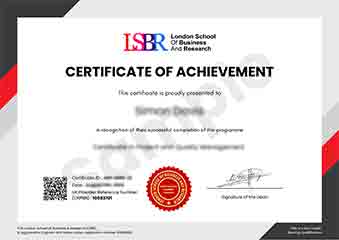
Sample Certificate
Preview the certificate you'll receive upon successful completion of this program.
Get Free Course Info
Enter your details and we'll send you a comprehensive course information pack straight to your inbox.
Employer Sponsored Training
Let your employer invest in your professional development. Request a corporate invoice and get your training funded.
Request Corporate InvoiceWhat People Say About Us
Hear from our students about their experience with the Executive Development Programme in Custom Modules for Advanced User Interface Design at LSBRX - Executive Education.
Oliver Davies
United Kingdom"The course content was incredibly detailed and well-structured, providing a solid foundation in advanced UI design principles that have directly enhanced my ability to create more intuitive and user-friendly interfaces. I've already seen significant improvements in my projects, which has boosted my confidence and opened up new career opportunities in the field."
Ruby McKenzie
Australia"This Executive Development Programme in Custom Modules for Advanced User Interface Design has significantly enhanced my ability to create intuitive and user-friendly interfaces, directly translating into more effective project outcomes and a clearer path for career advancement in the tech industry. The personalized modules allowed me to tailor the learning to my specific needs, ensuring that the skills I acquired are highly relevant and applicable in real-world scenarios."
Ashley Rodriguez
United States"The course structure was meticulously organized, providing a seamless transition from theoretical concepts to practical applications in user interface design, which significantly enhanced my understanding and skills in creating intuitive interfaces."