
Executive Development Programme in Digital Humanities Research Methods
This programme equips executives with advanced digital humanities research methods, enhancing analytical skills and strategic insights through interdisciplinary learning.
Executive Development Programme in Digital Humanities Research Methods
Programme Overview
The Executive Development Programme in Digital Humanities Research Methods is designed for senior-level professionals in the humanities, cultural institutions, and related sectors who seek to enhance their ability to leverage digital tools and methodologies in their research and management roles. The programme is structured to offer a comprehensive understanding of digital humanities, including data analysis, digital preservation, and the use of computational tools for scholarly inquiry.
Participants in this programme will gain key skills in managing digital projects, applying quantitative and qualitative methods to textual and digital data, and utilizing emerging technologies such as machine learning and natural language processing to explore complex humanist questions. They will also learn to develop and implement digital humanities projects, evaluate digital resources, and understand the ethical implications of digital research. The programme emphasizes hands-on training through case studies and practical exercises, ensuring that learners can apply their knowledge effectively in real-world scenarios.
The career impact of this programme is significant, as it equips participants with the skills necessary to lead digital initiatives, engage with interdisciplinary teams, and innovate in the field of digital humanities. Graduates will be well-prepared to take on leadership roles in digital humanities projects, enhance their institution’s digital capabilities, and contribute to the growing demand for expertise in this area.
What You'll Learn
The Executive Development Programme in Digital Humanities Research Methods is designed for professionals aiming to enhance their data-driven research capabilities in the humanities. This program equips participants with advanced skills in data analysis, digital archiving, and computational approaches to interpret complex historical and cultural data. Key topics include text mining, digital curation, and the ethical use of big data in humanities research.
Participants learn to leverage digital tools for historical research, such as GIS mapping and machine learning algorithms, to uncover new insights and trends. By the end of the program, graduates are adept at managing digital collections, developing research projects that integrate data science methodologies, and communicating findings effectively to diverse audiences.
This program opens doors to a variety of career opportunities, including roles as digital humanities researchers, data analysts in cultural institutions, and project managers in cultural technology. Graduates are well-prepared to lead innovative projects that bridge the gap between traditional humanities research and modern digital technologies, fostering a new generation of interdisciplinary scholars and professionals.
Programme Highlights
Industry-Aligned Curriculum
Developed with industry leaders for job-ready skills valued by employers worldwide.
Globally Recognised Certificate
Recognised by employers across 180+ countries as a mark of professional excellence.
Flexible Online Learning
Study at your own pace with lifetime access to all course materials and updates.
Instant Access
Start learning immediately — no application process or waiting period required.
Constantly Updated Content
Stay ahead with the latest industry trends, best practices, and emerging insights.
Career Advancement
87% of graduates report measurable career progression within 6 months of completion.
Topics Covered
- 1. Introduction to Digital Humanities Research: Learners will explore the foundational concepts of digital humanities, including its definition, scope, and key methodologies. They will gain an understanding of how digital tools and techniques can be used to analyze and interpret humanities data.
- 2. Data Management and Ethics: This module covers the management of digital data, including data storage, security, and privacy issues. Learners will also delve into ethical considerations in digital humanities research, ensuring that they can conduct research responsibly and transparently.
- 3. Text Analysis Techniques: Students will learn various text analysis techniques, such as text mining, corpus linguistics, and sentiment analysis. Practical skills include using software tools for text processing and analyzing large datasets of textual data.
- 4. Visualizing Data and Digital Scholarship: This module focuses on creating effective visual representations of research data. Learners will use software tools to develop interactive visualizations and digital scholarship projects that enhance the understanding and accessibility of their research findings.
- 5. Digital Preservation and Archiving: Learners will study the principles and practices of digital preservation and archiving. They will gain hands-on experience in managing digital assets and ensuring their long-term preservation and accessibility.
- 6. Programming for Digital Humanities: This module introduces learners to programming languages and tools that are commonly used in digital humanities research. Practical skills include writing code to automate data processing tasks and creating custom scripts for specific research needs.
- 7. Advanced Text Analysis and Machine Learning: Students will explore advanced text analysis techniques and machine learning algorithms, such as topic modeling, natural language processing, and deep learning. Practical skills include implementing these techniques to analyze complex textual data and interpret results.
- 8. Research Design and Methodology in Digital Humanities: This module covers the design and implementation of research projects in the digital humanities. Learners will learn how to develop research questions, choose appropriate methodologies, and integrate qualitative and quantitative approaches.
- 9. Case Studies in Digital Humanities: Through case studies, learners will analyze real-world applications of digital humanities research methods. This module provides practical insights into the challenges and opportunities of conducting digital humanities research in various fields.
- 10. Communicating Digital Humanities Research: Students will learn effective strategies for presenting and publishing digital humanities research. Practical skills include preparing academic papers, creating digital exhibits, and engaging with diverse audiences through public presentations and social media.
What You Get When You Enroll
Secure checkout • Instant access • Certificate included
Key Facts
Audience: Academics, researchers, professionals
Prerequisites: Basic humanities knowledge, digital literacy
Outcomes: Master research methods, enhance digital skills, network
Ready to get started?
Join thousands of professionals who already took the next step. Enroll now and get instant access.
Enroll Now — $199Why This Course
Enhance Analytical Skills: Participating in an Executive Development Programme in Digital Humanities Research Methods equips professionals with advanced analytical tools and techniques. These skills are crucial for interpreting complex data and extracting meaningful insights, which can be directly applied to improve decision-making processes and strategic planning in their organizations.
Foster Innovation: The programme introduces cutting-edge digital tools and methodologies that can revolutionize how professionals approach research and data analysis. This not only keeps them at the forefront of industry trends but also encourages innovative thinking, which can lead to new product developments or process improvements.
Strengthen Interdisciplinary Collaboration: By integrating knowledge from various fields such as computer science, data science, and humanities, professionals can develop a more comprehensive understanding of their industry. This interdisciplinary approach enhances their ability to collaborate effectively with diverse teams, leading to more robust and innovative solutions.
Boost Career Prospects: Acquiring these specialized skills can significantly enhance career prospects. Employers value professionals who can leverage digital tools to drive research and innovation. Graduates of such programmes often find themselves in high-demand roles, particularly in sectors like media, publishing, and cultural heritage, where digital humanities skills are increasingly vital.
Your Path to Certification
Trusted by Professionals Worldwide
Course Brochure
Download our comprehensive course brochure with all details
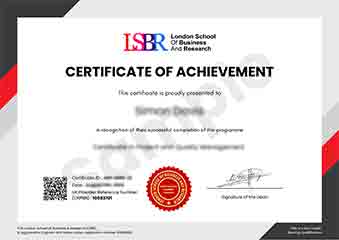
Sample Certificate
Preview the certificate you'll receive upon successful completion of this program.
Get Free Course Info
Enter your details and we'll send you a comprehensive course information pack straight to your inbox.
Employer Sponsored Training
Let your employer invest in your professional development. Request a corporate invoice and get your training funded.
Request Corporate InvoiceWhat People Say About Us
Hear from our students about their experience with the Executive Development Programme in Digital Humanities Research Methods at LSBRX - Executive Education.
Charlotte Williams
United Kingdom"The course provided a robust foundation in digital humanities research methods, equipping me with practical skills to analyze and interpret digital data effectively. It significantly enhanced my ability to apply these methods in real-world scenarios, opening up new avenues for my career in digital research."
Sophie Brown
United Kingdom"The Executive Development Programme in Digital Humanities Research Methods has significantly enhanced my ability to apply cutting-edge digital tools in my research, making my work more relevant to industry needs. This program has not only deepened my technical skills but also opened up new career opportunities in interdisciplinary projects that bridge humanities and technology."
Liam O'Connor
Australia"The course structure was meticulously organized, providing a seamless transition from theoretical concepts to practical applications in digital humanities research, which significantly enhanced my understanding and prepared me for real-world challenges."