
Executive Development Programme in Distribution System Load Optimization
This program enhances executive skills in optimizing distribution systems, leading to improved efficiency and reduced costs.
Executive Development Programme in Distribution System Load Optimization
Programme Overview
The Executive Development Programme in Distribution System Load Optimization is designed for senior executives and managers in logistics, supply chain management, and energy sectors who are looking to enhance their strategic leadership and operational efficiency through advanced distribution system optimization techniques. This program combines theoretical knowledge with practical applications, equipping participants with the skills necessary to drive operational excellence and strategic innovation in their organizations.
Participants will develop key competencies such as advanced load management, predictive analytics for supply chain forecasting, and optimization algorithms for distribution networks. They will also gain insights into sustainable logistics practices and the integration of technology, such as IoT and AI, to improve operational efficiency and reduce environmental impact. Additionally, the program emphasizes the development of leadership skills, including strategic decision-making, stakeholder communication, and innovation management, to foster a culture of continuous improvement within their organizations.
This program has a significant impact on career development, providing participants with the tools and knowledge to lead transformational changes in their organizations. Graduates will be well-positioned to implement innovative solutions that enhance operational efficiency, reduce costs, and improve environmental sustainability, positioning them as key leaders in their industries.
What You'll Learn
The Executive Development Programme in Distribution System Load Optimization is designed for professionals aiming to enhance their strategic and operational skills in maximizing efficiency and sustainability within distribution systems. This program equips participants with advanced methodologies for load optimization, including data analytics, predictive modeling, and real-time monitoring techniques. By integrating cutting-edge technologies and industry best practices, the program provides a comprehensive understanding of how to optimize distribution networks to reduce costs, improve service levels, and enhance environmental performance.
Participants will delve into key topics such as advanced load forecasting, demand response strategies, and the integration of renewable energy sources into distribution systems. The program also emphasizes the importance of digital transformation and automation in modernizing distribution infrastructure. Graduates of this program are well-prepared to lead initiatives that improve the efficiency and resilience of distribution systems, addressing both operational challenges and broader strategic goals.
Upon completion, graduates can apply their new skills to roles such as distribution system manager, load optimization specialist, or sustainability officer. They are equipped to tackle complex challenges in the energy sector, drive innovation, and contribute to more sustainable and efficient energy systems. Engage in this dynamic program to become a leader in the field of distribution system load optimization, driving industry progress and contributing to a greener future.
Programme Highlights
Industry-Aligned Curriculum
Developed with industry leaders for job-ready skills valued by employers worldwide.
Globally Recognised Certificate
Recognised by employers across 180+ countries as a mark of professional excellence.
Flexible Online Learning
Study at your own pace with lifetime access to all course materials and updates.
Instant Access
Start learning immediately — no application process or waiting period required.
Constantly Updated Content
Stay ahead with the latest industry trends, best practices, and emerging insights.
Career Advancement
87% of graduates report measurable career progression within 6 months of completion.
Topics Covered
- 1. Introduction to Distribution Systems: Learners will understand the basic components and operations of distribution systems, including the role of load optimization. They will gain foundational knowledge on system architecture and terminology.
- 2. Load Forecasting Techniques: This module covers various methods for predicting future load demands, such as time series analysis and machine learning approaches. Learners will learn to implement these techniques using real-world data.
- 3. Load Optimization Algorithms: Here, learners will explore optimization algorithms used in distribution systems, including linear programming and heuristic methods. Practical skills in applying these algorithms for load balancing will be developed.
- 4. Smart Grid Technologies: This module introduces the integration of smart grid technologies into distribution systems, focusing on advanced metering infrastructure (AMI) and demand response programs. Learners will understand how these technologies enhance load optimization.
- 5. Distributed Energy Resources: Learners will study the role of distributed energy resources (DERs) such as solar panels and energy storage systems in enhancing load flexibility and reliability. Practical exercises will help them integrate DERs into load optimization strategies.
- 6. Advanced Load Management Systems: This module delves into the design and implementation of advanced load management systems. Learners will learn to develop and manage complex systems that optimize load based on real-time conditions and forecasted data.
- 7. Risk Assessment and Mitigation in Load Optimization: This module covers the assessment and mitigation of risks associated with load optimization, including technical, economic, and environmental risks. Learners will develop skills to evaluate and manage these risks effectively.
- 8. Case Studies in Load Optimization: Through in-depth case studies, learners will analyze successful and unsuccessful load optimization projects in various distribution systems. This module will enhance their ability to apply theoretical knowledge to real-world scenarios.
- 9. Regulatory and Policy Frameworks: This module examines the regulatory and policy frameworks that influence load optimization in distribution systems. Learners will understand the importance of compliance and the impact of policy on system design and operation.
- 10. Future Trends in Distribution Systems: The final module explores emerging trends and innovations in distribution systems, including the potential impact of electric vehicles, IoT, and AI. Learners will gain insights into how these technologies will shape future load optimization strategies.
What You Get When You Enroll
Secure checkout • Instant access • Certificate included
Key Facts
Audience: Operations managers, distribution supervisors
Prerequisites: Basic knowledge of supply chain
Outcomes: Enhanced load planning skills, improved cost efficiency
Ready to get started?
Join thousands of professionals who already took the next step. Enroll now and get instant access.
Enroll Now — $199Why This Course
Enhanced Skill Set: Professionals enrolled in the Executive Development Programme in Distribution System Load Optimization gain advanced skills in managing and optimizing energy distribution. This includes understanding and implementing advanced load management techniques, which are crucial for reducing operational costs and increasing efficiency. These skills are highly valued in the energy sector, making graduates more competitive in the job market.
Competitive Advantage: The programme equips participants with knowledge in the latest technologies and methodologies for load optimization. This not only enhances their ability to solve complex distribution challenges but also provides them with a competitive edge. Graduates can apply these skills to improve the sustainability and reliability of distribution systems, making them indispensable in utility companies and energy management firms.
Leadership Development: The programme focuses on developing leadership and strategic thinking skills, which are essential for managing large-scale energy distribution systems. Participants learn to lead cross-functional teams and make informed decisions based on data analysis and predictive modeling. These leadership competencies are transferable across various roles and industries, enabling graduates to take on higher-level positions with greater ease.
Your Path to Certification
Trusted by Professionals Worldwide
Course Brochure
Download our comprehensive course brochure with all details
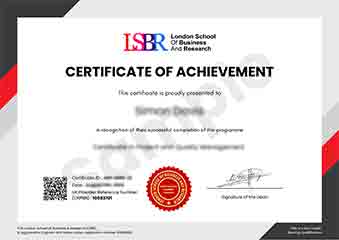
Sample Certificate
Preview the certificate you'll receive upon successful completion of this program.
Get Free Course Info
Enter your details and we'll send you a comprehensive course information pack straight to your inbox.
Employer Sponsored Training
Let your employer invest in your professional development. Request a corporate invoice and get your training funded.
Request Corporate InvoiceWhat People Say About Us
Hear from our students about their experience with the Executive Development Programme in Distribution System Load Optimization at LSBRX - Executive Education.
Oliver Davies
United Kingdom"The course content was incredibly detailed and well-structured, providing a solid foundation in distribution system load optimization that has already helped me tackle real-world challenges more effectively. Gaining these practical skills has significantly boosted my confidence and opened up new opportunities in my career."
Priya Sharma
India"The Executive Development Programme in Distribution System Load Optimization has significantly enhanced my ability to apply advanced load management techniques in real-world scenarios, making my solutions more efficient and cost-effective. This has not only deepened my industry knowledge but also opened up new career opportunities in demand for such specialized skills."
Charlotte Williams
United Kingdom"The course structure was meticulously organized, providing a clear pathway for understanding complex distribution system load optimization techniques, which significantly enhanced my ability to apply these concepts in real-world scenarios, fostering substantial professional growth."