
Executive Development Programme in Efficient Budget Allocation for Non-profits
This programme equips non-profit leaders with skills for efficient budget allocation, enhancing financial sustainability and impact.
Executive Development Programme in Efficient Budget Allocation for Non-profits
Programme Overview
The Executive Development Programme in Efficient Budget Allocation for Non-profits is designed for senior executives and leaders in the non-profit sector who are committed to enhancing their strategic financial management capabilities. The programme equips participants with the knowledge and skills necessary to allocate resources efficiently, ensuring that every dollar supports the organization's mission and objectives. Participants will learn to develop and implement effective budgeting strategies, manage financial risks, and leverage data-driven insights to inform financial decisions.
Key skills and knowledge developed through this programme include advanced budgeting techniques, financial forecasting, and performance measurement. Learners will gain proficiency in using financial tools and software, understanding regulatory requirements, and fostering a culture of financial accountability within their organizations. The programme also emphasizes the importance of transparent communication and collaboration across teams to achieve financial goals.
The career impact of this programme is significant, as participants will be better positioned to lead their organizations toward sustainable growth and increased impact. They will enhance their ability to secure funding, optimize resource allocation, and demonstrate financial stewardship, which are crucial for the success and sustainability of non-profit organizations. Upon completion, participants will have the confidence and expertise to contribute to strategic decision-making and drive financial excellence in their roles.
What You'll Learn
The Executive Development Programme in Efficient Budget Allocation for Non-profits is a comprehensive, six-month initiative designed to empower leaders in the non-profit sector with advanced skills in financial management and strategic planning. This program equips participants with the knowledge to optimize resources, enhance organizational sustainability, and drive impactful outcomes.
Key topics include financial forecasting, budgeting techniques, revenue generation strategies, financial transparency, and compliance. Participants will learn to analyze financial data, allocate resources effectively, and leverage technology for financial management. Case studies and real-world scenarios from successful non-profits will be used to illustrate practical applications of these concepts.
Upon completion, graduates will be well-prepared to lead budgeting initiatives, secure funding, and make informed financial decisions that support their organization’s mission. The program emphasizes hands-on learning through workshops, mentoring sessions, and a capstone project where participants develop a detailed budget plan for a non-profit.
Alumni will have enhanced career opportunities in non-profit leadership roles, including Chief Financial Officers, Program Directors, and Development Officers. Networking opportunities with industry leaders and access to a supportive alumni network will further enrich their professional journey, ensuring they are equipped to navigate the complexities of non-profit finance and excel in their roles.
Programme Highlights
Industry-Aligned Curriculum
Developed with industry leaders for job-ready skills valued by employers worldwide.
Globally Recognised Certificate
Recognised by employers across 180+ countries as a mark of professional excellence.
Flexible Online Learning
Study at your own pace with lifetime access to all course materials and updates.
Instant Access
Start learning immediately — no application process or waiting period required.
Constantly Updated Content
Stay ahead with the latest industry trends, best practices, and emerging insights.
Career Advancement
87% of graduates report measurable career progression within 6 months of completion.
Topics Covered
- 1. Introduction to Budgeting in Non-profits: Learners will understand the basics of budgeting in the non-profit sector, including key financial terms and the importance of budgeting for organizational success. They will gain foundational skills in creating and managing simple budgets.
- 2. Fundraising and Budget Allocation Strategies: This module will explore various fundraising methods and how they influence budget allocation. Learners will learn to allocate funds effectively based on strategic goals and donor expectations.
- 3. Program Budgeting and Performance Measurement: Students will delve into the process of program budgeting and learn how to measure the financial performance of programs. Practical skills include developing performance indicators and using data to inform budget decisions.
- 4. Cost-Benefit Analysis for Non-profit Projects: This module teaches learners how to conduct cost-benefit analyses for non-profit projects to make informed budget allocation decisions. They will learn to weigh the costs and benefits of different options.
- 5. Financial Sustainability for Non-profit Organizations: Learners will study strategies for ensuring long-term financial sustainability. Topics include diversified funding sources, budget forecasting, and managing financial risks.
- 6. Technology and Budget Management: This module covers the use of technology in budget management, including software tools and digital platforms for financial tracking and reporting. Practical skills include using budgeting software and implementing digital solutions.
- 7. Grant Writing and Budget Allocation: Students will learn the nuances of grant writing and how to allocate funds effectively based on grant requirements. They will practice drafting grant proposals and understanding the budgeting implications of different grants.
- 8. Strategic Planning and Budget Alignment: This module focuses on aligning budgeting processes with strategic planning. Learners will develop skills in creating and implementing strategic plans that are financially sustainable and aligned with organizational goals.
- 9. Budgeting for Program Expansion: Students will learn how to budget for scaling up or expanding programs. They will understand the financial implications of growth and learn to allocate resources effectively for expansion.
- 10. Ethical Considerations in Budget Allocation: This module addresses the ethical dimensions of budgeting in non-profits. Learners will explore issues like transparency, accountability, and fairness in budget decisions and how to navigate them.
What You Get When You Enroll
Secure checkout • Instant access • Certificate included
Key Facts
Audience: Nonprofit leaders, managers
Prerequisites: Basic finance knowledge
Outcomes: Enhanced budgeting skills, improved financial planning
Ready to get started?
Join thousands of professionals who already took the next step. Enroll now and get instant access.
Enroll Now — $199Why This Course
Enhance Financial Acumen: Participating in an Executive Development Programme in Efficient Budget Allocation for Non-profits can significantly boost your financial management skills. This program equips you with tools and techniques to effectively manage and allocate resources, ensuring that every dollar spent maximizes impact. This expertise is crucial for non-profit leaders who need to stretch their budgets to achieve their missions.
Strategic Decision Making: The program focuses on teaching participants how to make informed financial decisions that align with organizational goals. By understanding the nuances of budgeting and financial planning, professionals can better allocate funds to initiatives that yield the greatest social impact, thereby enhancing their strategic planning capabilities.
Networking and Mentorship: Engaging in such a program provides access to a network of experienced professionals in the non-profit sector. These connections can offer mentorship, advice, and potential collaborations that could be invaluable for career growth. Additionally, networking opportunities can lead to new job prospects or volunteer roles that align with one’s professional aspirations.
Evidence-Based Advocacy: Professionals who complete the program are better equipped to advocate for their non-profit’s needs based on robust financial data and analyses. This skill set is essential for securing grants, fundraising, and engaging with policymakers, thereby strengthening the organization’s position and ability to effect change.
Your Path to Certification
Trusted by Professionals Worldwide
Course Brochure
Download our comprehensive course brochure with all details
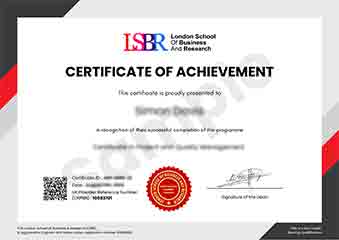
Sample Certificate
Preview the certificate you'll receive upon successful completion of this program.
Get Free Course Info
Enter your details and we'll send you a comprehensive course information pack straight to your inbox.
Employer Sponsored Training
Let your employer invest in your professional development. Request a corporate invoice and get your training funded.
Request Corporate InvoiceWhat People Say About Us
Hear from our students about their experience with the Executive Development Programme in Efficient Budget Allocation for Non-profits at LSBRX - Executive Education.
Charlotte Williams
United Kingdom"The course provided comprehensive insights into efficient budget allocation, equipping me with practical tools to manage non-profit finances more effectively. It has significantly enhanced my ability to plan and allocate resources, which I believe will greatly benefit my current role and future career in the non-profit sector."
Ashley Rodriguez
United States"This course has significantly enhanced my ability to manage budgets more efficiently, directly translating into more effective resource allocation for our non-profit. It has equipped me with practical tools and strategies that are highly relevant in the non-profit sector, propelling my career to new heights."
Kai Wen Ng
Singapore"The course structure was well-organized, providing a clear path from understanding basic budgeting principles to applying advanced strategies in real-world scenarios, which significantly enhanced my professional growth in managing non-profit finances."