
Executive Development Programme in Emotional Intelligence in Human Computer Interaction
This programme enhances leaders' emotional intelligence to improve human-computer interaction, fostering more intuitive and user-centric design.
Executive Development Programme in Emotional Intelligence in Human Computer Interaction
Programme Overview
The Executive Development Programme in Emotional Intelligence in Human Computer Interaction (EI in HCI) is designed for senior professionals and executives who are involved in the design, development, and leadership of human-computer interaction projects. This programme focuses on enhancing emotional intelligence to improve user experience, foster effective collaboration, and drive innovation in digital products and services. Participants will explore the psychological and social dimensions of user engagement, learn to apply emotional intelligence principles to design intuitive interfaces, and develop strategies to manage stress and maintain focus in high-pressure environments.
Key skills and knowledge learners will develop include the ability to empathize deeply with users, understand and anticipate their emotional needs, and design solutions that not only function well but also resonate emotionally. The programme will also cultivate leadership skills, enabling participants to lead diverse teams effectively, manage conflicts, and inspire creativity. Through practical workshops, case studies, and real-world projects, learners will gain hands-on experience in applying emotional intelligence in the context of human-computer interaction.
The career impact of this programme is significant, as it equips executives with the emotional intelligence skills necessary to lead transformative changes in their organizations. Participants will be better positioned to develop user-centric products, enhance team dynamics, and drive business growth. By integrating emotional intelligence into their leadership and design practices, executives can create more engaging and effective user experiences, ultimately contributing to the success and competitiveness of their organizations in the digital age.
What You'll Learn
The Executive Development Programme in Emotional Intelligence in Human Computer Interaction (EI in HCI) is a transformative initiative designed to equip leaders with the essential skills to enhance user engagement and satisfaction through technology. This program blends cutting-edge insights from psychology, neuroscience, and design to provide a comprehensive understanding of human emotions and their impact on digital interactions. Key topics include emotional design principles, empathy mapping, and the cognitive processes behind user experience.
Participants learn to leverage emotional intelligence to create more intuitive, user-friendly interfaces that resonate on a deeper level. Through practical workshops and case studies, they gain hands-on experience in applying these concepts to real-world challenges. By the end of the program, graduates are prepared to lead projects that not only function technically but also deeply connect with users, fostering stronger relationships and higher retention rates.
Graduates from this program are well-positioned to advance in their careers, whether by taking on leadership roles in UX design, product management, or user research. They are equipped to innovate in fields ranging from software development to interactive media, ensuring that technology serves users’ needs and emotions effectively. This program is particularly valuable for professionals aiming to bridge the gap between technology and human interaction, driving meaningful and lasting impacts in their organizations.
Programme Highlights
Industry-Aligned Curriculum
Developed with industry leaders for job-ready skills valued by employers worldwide.
Globally Recognised Certificate
Recognised by employers across 180+ countries as a mark of professional excellence.
Flexible Online Learning
Study at your own pace with lifetime access to all course materials and updates.
Instant Access
Start learning immediately — no application process or waiting period required.
Constantly Updated Content
Stay ahead with the latest industry trends, best practices, and emerging insights.
Career Advancement
87% of graduates report measurable career progression within 6 months of completion.
Topics Covered
- 1. Introduction to Emotional Intelligence in HCI: Learners will explore the basics of emotional intelligence and its relevance in Human-Computer Interaction, studying foundational concepts and their application in user experience design.
- 2. Understanding Human Emotions and Their Impact on Interaction: This module delves into the psychological aspects of emotions and how they influence human-computer interaction, equipping learners with the skills to design more empathetic and intuitive user interfaces.
- 3. Emotional Design Principles for User-Centric Interactions: Learners will study design principles that enhance emotional engagement and satisfaction, focusing on creating positive user experiences through thoughtful design choices.
- 4. Advanced Techniques for Emotion Recognition in HCI: This module covers advanced methods for recognizing and interpreting emotions from user interactions, including facial recognition and voice analysis, to improve interaction design.
- 5. Empathy Mapping and User Empathy Techniques: Through this module, learners will master empathy mapping and other user empathy techniques to better understand and meet user needs, fostering a more emotionally intelligent design approach.
- 6. Developing Empathetic User Personas: Learners will create detailed user personas that capture emotional needs and preferences, enhancing the ability to design products and services that resonate with users on an emotional level.
- 7. Emotional Design in Context-Aware Systems: This module explores how to integrate emotional intelligence into context-aware systems, enabling devices and applications to adapt to users' emotional states and environments.
- 8. Leveraging AI for Enhanced Emotional Interactions: Learners will study the application of artificial intelligence in creating more emotionally intelligent interactions, focusing on natural language processing and machine learning techniques.
- 9. Designing for Inclusive and Diverse Emotional Experiences: This module addresses the importance of considering diverse emotional needs and experiences in design, promoting inclusivity and ensuring that designs are accessible to all users.
- 10. Measuring Emotional Impact and Design Evaluation: The final module teaches learners how to measure the emotional impact of their designs and conduct effective evaluations, ensuring that designs meet both functional and emotional user needs.
What You Get When You Enroll
Secure checkout • Instant access • Certificate included
Key Facts
Audience: Professionals in HCI, UX designers
Prerequisites: Basic understanding of HCI principles
Outcomes: Enhanced emotional intelligence, improved user empathy, better interaction design
Ready to get started?
Join thousands of professionals who already took the next step. Enroll now and get instant access.
Enroll Now — $199Why This Course
Enhancing Interpersonal Skills: Participating in an Executive Development Programme in Emotional Intelligence in Human Computer Interaction (HCI) equips professionals with advanced emotional intelligence skills. This includes better empathy, active listening, and conflict resolution, which are crucial for effective collaboration and relationship management in the tech industry, particularly when designing user interfaces and experiences.
Improved User-Centric Design: The programme focuses on understanding and applying emotional intelligence in the context of HCI, enabling professionals to create more intuitive, user-friendly interfaces. By considering the emotional and psychological needs of users, designers can enhance user satisfaction and engagement, leading to better product adoption and higher user retention rates.
Leadership and Team Management: Emotional intelligence is vital for leadership, as it fosters effective communication, team building, and motivation. Professionals who excel in these areas can lead more cohesive and productive teams, driving innovation and improving project outcomes, which are essential for any organization aiming to compete in today's dynamic market.
Your Path to Certification
Trusted by Professionals Worldwide
Course Brochure
Download our comprehensive course brochure with all details
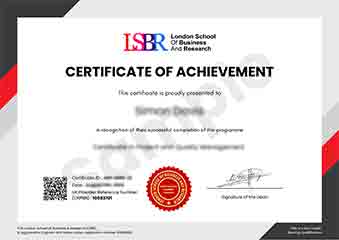
Sample Certificate
Preview the certificate you'll receive upon successful completion of this program.
Get Free Course Info
Enter your details and we'll send you a comprehensive course information pack straight to your inbox.
Employer Sponsored Training
Let your employer invest in your professional development. Request a corporate invoice and get your training funded.
Request Corporate InvoiceWhat People Say About Us
Hear from our students about their experience with the Executive Development Programme in Emotional Intelligence in Human Computer Interaction at LSBRX - Executive Education.
Charlotte Williams
United Kingdom"The course content was incredibly rich and well-researched, providing a deep understanding of how emotional intelligence can be applied in human-computer interaction. Gaining practical skills to design more empathetic and user-friendly interfaces has been invaluable for my career, enhancing my ability to create better user experiences."
Siti Abdullah
Malaysia"The Executive Development Programme in Emotional Intelligence in Human Computer Interaction has been incredibly transformative. It has equipped me with practical tools to better understand user emotions and needs, which has significantly enhanced my ability to design more intuitive and user-friendly interfaces, directly impacting my career in tech."
Connor O'Brien
Canada"The course structure was well-organized, providing a clear path from foundational concepts to advanced applications in human-computer interaction, which greatly enhanced my understanding and practical skills in emotional intelligence. The comprehensive content and real-world examples offered valuable insights, significantly contributing to my professional growth in this field."