
Executive Development Programme in Energy-Efficient Bionic Leg Design
This programme develops executives to innovate in energy-efficient bionic leg design, enhancing mobility and sustainability.
Executive Development Programme in Energy-Efficient Bionic Leg Design
Programme Overview
The Executive Development Programme in Energy-Efficient Bionic Leg Design is tailored for senior executives and leaders in the medical, robotics, and prosthetics industries who seek to innovate and lead in the development of advanced bionic leg technologies. This programme focuses on integrating cutting-edge engineering principles with sustainable design to create highly efficient, user-friendly, and cost-effective bionic legs. The curriculum encompasses topics such as biomechanics, materials science, energy management systems, and user-centered design, ensuring that participants gain a comprehensive understanding of the technical and human factors involved in bionic leg design.
Learners will develop key skills in systems analysis, advanced manufacturing techniques, and sustainable design practices. They will also enhance their ability to lead multidisciplinary teams, manage complex projects, and innovate within regulatory frameworks. The programme emphasizes hands-on learning, with significant time dedicated to prototyping, testing, and refining bionic leg designs. Participants will emerge with a robust portfolio of projects and a network of industry contacts, setting them apart as leaders in the field.
The career impact of this programme is profound, equipping participants with the knowledge and skills to drive innovation, enhance product development cycles, and contribute to the global advancement of energy-efficient bionic leg technologies. Graduates will be well-prepared to lead initiatives that improve accessibility and quality of life for individuals with mobility impairments while fostering sustainable practices in the industry.
What You'll Learn
Embark on a transformative journey with the Executive Development Programme in Energy-Efficient Bionic Leg Design, a pioneering initiative designed to cultivate leaders in the field of advanced prosthetics and wearable technology. This program blends cutting-edge research with practical application, offering participants a unique opportunity to explore the intersection of human biomechanics, energy systems, and technological innovation.
Key topics include the latest advancements in bionic leg design, energy optimization strategies, material science, and user-centered design principles. Participants will engage in hands-on workshops, case studies, and collaborative projects, equipping them with the skills to develop and implement energy-efficient bionic leg solutions that enhance the quality of life for users.
Upon completion, graduates will be well-prepared to lead multidisciplinary teams, drive innovation in their organizations, and contribute to the development of sustainable and efficient prosthetic solutions. Career opportunities abound in research and development, engineering, product management, and entrepreneurship, with potential roles in both public and private sectors.
Join a community of innovators and leaders dedicated to improving mobility and independence through cutting-edge technology. The Executive Development Programme in Energy-Efficient Bionic Leg Design is your gateway to shaping the future of prosthetics and enhancing the lives of millions.
Programme Highlights
Industry-Aligned Curriculum
Developed with industry leaders for job-ready skills valued by employers worldwide.
Globally Recognised Certificate
Recognised by employers across 180+ countries as a mark of professional excellence.
Flexible Online Learning
Study at your own pace with lifetime access to all course materials and updates.
Instant Access
Start learning immediately — no application process or waiting period required.
Constantly Updated Content
Stay ahead with the latest industry trends, best practices, and emerging insights.
Career Advancement
87% of graduates report measurable career progression within 6 months of completion.
Topics Covered
- 1: Introduction to Energy-Efficient Bionic Legs: Learners will explore the fundamental concepts of bionic leg design and the importance of energy efficiency in prosthetics. They will gain an understanding of how bionic legs function and the key components that contribute to their performance.
- 2: Biomechanics and Kinematics for Bionic Legs: This module delves into the biomechanical and kinematic principles that underpin bionic leg design. Learners will study gait analysis, joint mechanics, and how these factors influence the design and functionality of bionic legs.
- 3: Material Science for Energy Efficiency: Focusing on the selection and properties of materials used in bionic leg design, this module will teach learners about different materials and their suitability for energy-efficient designs. Practical skills will include material testing and performance evaluation.
- 4: Modeling and Simulation Techniques: Learners will learn to use advanced modeling and simulation tools to predict the performance of bionic legs under various conditions. This module covers computational methods and software tools used in the design process.
- 5: Human-Centric Design Principles: This module emphasizes the importance of designing bionic legs that are user-centered. Learners will study the psychological and social aspects of bionic leg use and how to incorporate user feedback into the design process.
- 6: Advanced Actuation Systems: Covering the latest advancements in actuation systems for bionic legs, this module will explore different types of actuators and their applications. Practical skills will include the design and integration of these systems.
- 7: Energy Optimization Strategies: Focused on optimizing the energy consumption of bionic legs, this module will teach learners about various energy-saving techniques and strategies. Practical exercises will involve designing and testing energy-efficient bionic leg prototypes.
- 8: Rehabilitation and Training for Bionic Leg Users: This module will cover the rehabilitation and training programs required for bionic leg users to maximize their performance and independence. Learners will gain knowledge in rehabilitation techniques and training methods.
- 9: Regulatory and Ethical Considerations: Addressing the regulatory and ethical issues surrounding bionic leg design and use, this module will provide learners with an understanding of the legal and ethical frameworks governing the field.
- 10: Future Trends and Innovations in Bionic Leg Design: Concluding the programme with a focus on future trends, this module will explore emerging technologies and innovations that are likely to impact the field of bionic leg design in the coming years.
What You Get When You Enroll
Secure checkout • Instant access • Certificate included
Key Facts
Audience: Engineers, designers, industry leaders
Prerequisites: Basic knowledge of biomechanics, programming
Outcomes: Enhanced design skills, energy efficiency improvements
Ready to get started?
Join thousands of professionals who already took the next step. Enroll now and get instant access.
Enroll Now — $199Why This Course
Enhance Technical Expertise: Professionals can significantly boost their technical skills through this program, which focuses on the latest advancements in bionic leg design for energy efficiency. This includes understanding cutting-edge materials, biometric data analysis, and sustainable manufacturing processes. These skills are highly valued in the rapidly evolving healthcare and technological sectors, positioning participants as leaders in innovation.
Career Advancement: By specializing in energy-efficient bionic leg design, professionals can enhance their career prospects in industries such as biomedical engineering, robotics, and prosthetics. The program provides insights into market trends, regulatory requirements, and consumer needs, ensuring that participants are well-prepared to lead projects and develop products that meet high standards of performance and sustainability.
Networking Opportunities: The program offers extensive networking opportunities, connecting participants with industry experts, researchers, and entrepreneurs. These connections can lead to collaborative projects, mentorship, and potential job or business opportunities. The professional network formed through the program can be invaluable for career growth and staying updated on industry advancements.
Your Path to Certification
Trusted by Professionals Worldwide
Course Brochure
Download our comprehensive course brochure with all details
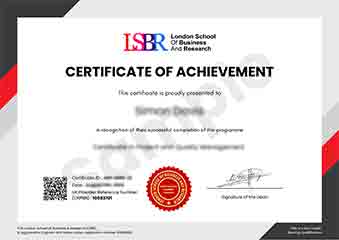
Sample Certificate
Preview the certificate you'll receive upon successful completion of this program.
Get Free Course Info
Enter your details and we'll send you a comprehensive course information pack straight to your inbox.
Employer Sponsored Training
Let your employer invest in your professional development. Request a corporate invoice and get your training funded.
Request Corporate InvoiceWhat People Say About Us
Hear from our students about their experience with the Executive Development Programme in Energy-Efficient Bionic Leg Design at LSBRX - Executive Education.
Sophie Brown
United Kingdom"The course content was incredibly detailed and well-researched, providing a comprehensive understanding of energy-efficient leg design. I gained valuable practical skills that I can directly apply to real-world projects, which has already enhanced my career prospects in the field."
Greta Fischer
Germany"The Executive Development Programme in Energy-Efficient Bionic Leg Design has been incredibly industry-relevant, equipping me with advanced skills in biomechanics and material science that directly apply to my role in developing more efficient prosthetics. This program has opened up new career opportunities and has significantly advanced my professional growth in the field."
Zoe Williams
Australia"The course structure was meticulously organized, providing a seamless transition from theoretical concepts to practical applications in energy-efficient bionic leg design, which significantly enhanced my understanding and prepared me for real-world challenges."