
Executive Development Programme in Energy Policy Impact Analysis through Simulation
This programme equips executives with skills to analyze energy policy impacts through simulation, driving informed strategic decisions.
Executive Development Programme in Energy Policy Impact Analysis through Simulation
Programme Overview
The Executive Development Programme in Energy Policy Impact Analysis through Simulation is designed for senior-level professionals, policymakers, and business leaders in the energy sector who are seeking to enhance their ability to analyze and predict the impacts of energy policies. This comprehensive program integrates advanced simulation techniques, real-world case studies, and expert-led discussions to equip participants with the necessary tools to make informed strategic decisions. The curriculum covers a wide range of topics, including the economic, environmental, and social implications of energy policies, the integration of renewable energy sources, and the role of technology in shaping the future of the energy sector.
Participants in this program will develop key skills in quantitative analysis, policy simulation, and stakeholder engagement. Through hands-on training with state-of-the-art simulation software, they will gain proficiency in modeling energy systems, assessing the economic viability of different policy scenarios, and evaluating the environmental impacts of energy policies. The program also emphasizes the importance of collaborative decision-making, enabling participants to build effective strategies for engaging with diverse stakeholders, including government agencies, environmental groups, and industry partners.
Upon completion of the program, participants will be well-positioned to advance their careers in roles that require deep expertise in energy policy analysis and strategic planning. They will be equipped to lead complex projects, develop innovative solutions to energy challenges, and contribute to the broader goal of sustainable energy transition. The program's rigorous curriculum and real-world applications ensure that graduates are not only knowledgeable but also capable of implementing practical, impactful energy policies.
What You'll Learn
The Executive Development Programme in Energy Policy Impact Analysis through Simulation is a comprehensive initiative designed to equip professionals with the advanced skills needed to navigate the complexities of energy policy analysis. This program combines theoretical knowledge with practical, hands-on experience through state-of-the-art simulation tools, ensuring participants can effectively evaluate and predict the outcomes of energy policies.
Key topics include energy market dynamics, policy design, risk assessment, and strategic decision-making. Participants will engage in simulation exercises that replicate real-world scenarios, allowing them to apply analytical techniques and policy frameworks in dynamic environments. This hands-on approach enhances understanding and fosters the ability to make informed, data-driven decisions.
Graduates of this program are well-prepared to take on leadership roles in government agencies, consulting firms, and international organizations. They can contribute to the development and implementation of energy policies that promote sustainability, efficiency, and economic growth. Career opportunities include positions such as energy policy analyst, strategic planner, and policy advisor, ensuring a robust and rewarding professional path.
Programme Highlights
Industry-Aligned Curriculum
Developed with industry leaders for job-ready skills valued by employers worldwide.
Globally Recognised Certificate
Recognised by employers across 180+ countries as a mark of professional excellence.
Flexible Online Learning
Study at your own pace with lifetime access to all course materials and updates.
Instant Access
Start learning immediately — no application process or waiting period required.
Constantly Updated Content
Stay ahead with the latest industry trends, best practices, and emerging insights.
Career Advancement
87% of graduates report measurable career progression within 6 months of completion.
Topics Covered
- 1. Introduction to Energy Policy and Impact Analysis: Learners will explore foundational concepts in energy policy, including definitions, historical context, and key stakeholders. They will gain skills in identifying and analyzing the impact of energy policies on various sectors.
- 2. Energy Systems and Simulation Basics: Learners will study the components of energy systems and the basics of simulation models. They will learn how to use simulation tools to model energy systems and understand the principles of system dynamics.
- 3. Data Collection and Management for Energy Policy Analysis: This module covers methods for collecting, cleaning, and managing data relevant to energy policy analysis. Learners will develop skills in data management and the use of statistical software for data analysis.
- 4. Scenario Planning for Energy Policy: Learners will learn to create and analyze scenarios to evaluate the potential impacts of different energy policies. They will gain proficiency in scenario planning techniques and software tools for scenario development.
- 5. Advanced Simulation Techniques in Energy Policy: This module delves into advanced simulation techniques, including agent-based modeling and system dynamics modeling. Learners will apply these techniques to real-world energy policy scenarios.
- 6. Policy Impact Evaluation Through Simulation: Learners will study methods for evaluating the impact of energy policies using simulation models. They will learn to design and conduct simulations to assess policy outcomes and generate insights.
- 7. Stakeholder Engagement in Energy Policy Simulation: This module focuses on effective stakeholder engagement in the context of energy policy simulation. Learners will develop skills in communication and collaboration to build and maintain stakeholder relationships.
- 8. Case Studies in Energy Policy Simulation: Through in-depth case studies, learners will apply their knowledge to real-world energy policy scenarios. They will analyze case studies and develop simulation models to inform policy recommendations.
- 9. Policy Implementation and Monitoring: This module covers the practical aspects of implementing energy policies and monitoring their effectiveness. Learners will learn to develop and use monitoring systems to track policy performance.
- 10. Leadership and Strategic Decision-Making in Energy Policy: Learners will explore leadership and strategic decision-making in the context of energy policy. They will develop skills in strategic planning, risk management, and decision-making under uncertainty.
What You Get When You Enroll
Secure checkout • Instant access • Certificate included
Key Facts
Audience: Energy sector professionals, policymakers
Prerequisites: Basic knowledge of energy policy, simulation software
Outcomes: Enhanced policy analysis skills, simulation model proficiency
Ready to get started?
Join thousands of professionals who already took the next step. Enroll now and get instant access.
Enroll Now — $199Why This Course
Enhanced Policy Analysis Skills: This program equips professionals with advanced tools and methodologies for analyzing the impact of energy policies through simulation. Participants learn to use sophisticated software and models, which can significantly enhance their ability to predict and assess the outcomes of policy changes, making them more valuable in leadership roles.
Strategic Decision-Making: By understanding the complex interplay between energy policies and market dynamics, participants gain the ability to make informed strategic decisions. This skill is crucial for roles that require forecasting and planning, such as corporate strategy or regulatory compliance, enabling them to anticipate potential challenges and opportunities more effectively.
Interdisciplinary Expertise: The program bridges the gap between technical and policy aspects of energy, fostering a holistic understanding of the industry. This interdisciplinary approach is particularly beneficial for professionals looking to transition into higher-level management positions where a broad perspective is essential. It also enhances their ability to communicate effectively with various stakeholders, including policymakers, industry experts, and the public.
Your Path to Certification
Trusted by Professionals Worldwide
Course Brochure
Download our comprehensive course brochure with all details
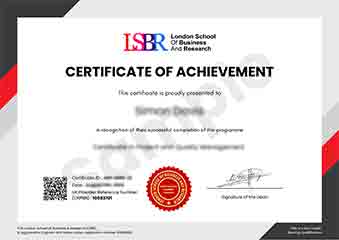
Sample Certificate
Preview the certificate you'll receive upon successful completion of this program.
Get Free Course Info
Enter your details and we'll send you a comprehensive course information pack straight to your inbox.
Employer Sponsored Training
Let your employer invest in your professional development. Request a corporate invoice and get your training funded.
Request Corporate InvoiceWhat People Say About Us
Hear from our students about their experience with the Executive Development Programme in Energy Policy Impact Analysis through Simulation at LSBRX - Executive Education.
James Thompson
United Kingdom"The course content is incredibly detailed and well-researched, providing a solid foundation in energy policy impact analysis. Gaining hands-on experience with simulation tools has been invaluable, as it directly translates into practical skills that are highly beneficial for my career in energy policy."
Rahul Singh
India"The Executive Development Programme in Energy Policy Impact Analysis through Simulation has significantly enhanced my ability to analyze complex energy policies and their real-world implications, making me more competitive in the job market and better equipped to contribute to strategic decision-making in the energy sector."
Ruby McKenzie
Australia"The course structure was meticulously organized, providing a clear path from foundational concepts to advanced analysis techniques, which significantly enhanced my understanding of energy policy impact. The comprehensive content and real-world applications allowed me to see the direct relevance of the theories to current energy challenges, fostering professional growth and critical thinking."