
Executive Development Programme in Ergonomic Tool Design for Maximum Efficiency
This programme enhances leaders' skills in designing ergonomic tools for maximum efficiency, improving product design and workforce productivity.
Executive Development Programme in Ergonomic Tool Design for Maximum Efficiency
Programme Overview
The Executive Development Programme in Ergonomic Tool Design for Maximum Efficiency is designed for senior-level executives and design professionals who seek to enhance their skills in creating tools that optimize user comfort, productivity, and safety. This intensive program focuses on the integration of ergonomic principles with modern industrial design techniques, offering a comprehensive understanding of human factors engineering, material science, and user-centered design methodologies. Participants will learn to apply these principles to develop tools that not only meet but exceed user expectations, thereby driving innovation and competitive advantage in their organizations.
Key skills and knowledge developed through this program include the ability to conduct thorough ergonomic assessments, design tools that optimize user interaction and reduce the risk of injury, and leverage advanced materials and manufacturing techniques for improved tool performance. Learners will also gain expertise in user experience research, statistical analysis for ergonomic design, and the latest trends in digital prototyping and simulation software. These skills are essential for creating tools that are not only functional but also user-friendly and adaptable to diverse work environments.
This program has a significant impact on career advancement and organizational success. Graduates will be better equipped to lead cross-functional teams, drive innovation in product design, and contribute to the development of ergonomic solutions that enhance workplace efficiency and employee well-being. The program’s focus on practical application ensures that participants can immediately apply their new knowledge to real-world challenges, thereby accelerating their career progression and contributing to the strategic objectives of their organizations.
What You'll Learn
The Executive Development Programme in Ergonomic Tool Design for Maximum Efficiency is a comprehensive, industry-centric initiative designed to empower professionals with the knowledge and skills necessary to design tools that enhance productivity and comfort. This program delves into the core principles of ergonomics, emphasizing the importance of human-centered design in tool development. Participants explore the physiological and psychological impacts of ergonomic tools on user performance and well-being, equipping them with the expertise to create innovative solutions.
Key topics include the biomechanics of human movement, cognitive ergonomics, material selection, and the integration of technology for enhanced user experience. The curriculum also covers case studies from leading industries, offering insights into real-world applications of ergonomic design principles. Graduates of this program are well-prepared to apply these skills in various settings, from manufacturing and healthcare to information technology and beyond. They learn to develop tools that not only boost efficiency but also promote a safer, more comfortable working environment.
Upon completion, participants are eligible for advanced roles in product design, industrial engineering, and human factors research. The program also facilitates connections with industry leaders through networking events and mentorship opportunities, opening doors to career advancements and entrepreneurial ventures. By participating in this program, professionals can significantly enhance their contributions to the design and development of ergonomic tools, driving innovation and efficiency in their respective fields.
Programme Highlights
Industry-Aligned Curriculum
Developed with industry leaders for job-ready skills valued by employers worldwide.
Globally Recognised Certificate
Recognised by employers across 180+ countries as a mark of professional excellence.
Flexible Online Learning
Study at your own pace with lifetime access to all course materials and updates.
Instant Access
Start learning immediately — no application process or waiting period required.
Constantly Updated Content
Stay ahead with the latest industry trends, best practices, and emerging insights.
Career Advancement
87% of graduates report measurable career progression within 6 months of completion.
Topics Covered
- 1. Introduction to Ergonomics: Learners will study the foundational concepts of ergonomics, including its definition, historical development, and key theories. They will gain practical skills in assessing workplace environments and identifying ergonomic issues.
- 2. Human Factors and Biomechanics: This module focuses on understanding human factors and biomechanics relevant to tool design. Learners will learn to apply biomechanical principles to design tools that enhance user comfort and reduce the risk of injury.
- 3. Material Science for Tool Design: Learners will explore the properties of various materials used in tool design and their implications for ergonomics. They will gain skills in selecting appropriate materials based on ergonomic requirements and performance criteria.
- 4. Tool Design Principles: This module covers the principles of tool design, including handle design, grip patterns, and tool layout. Learners will learn to design tools that are intuitive and safe to use, enhancing both efficiency and user satisfaction.
- 5. User-Centric Design Methods: Learners will study methods for involving users in the design process, including user testing, surveys, and interviews. They will gain skills in conducting effective user research and incorporating user feedback into design iterations.
- 6. Advanced Tool Design Techniques: This module delves into advanced techniques for designing ergonomic tools, such as anthropometric databases, ergonomic modeling software, and human-computer interaction (HCI) principles. Learners will apply these techniques to create highly customized and efficient tools.
- 7. Industrial Design and Aesthetics: Learners will study the role of industrial design in tool aesthetics and the impact of design on user perception and performance. They will learn to balance functionality with aesthetic appeal in tool design.
- 8. Sustainability in Tool Design: This module focuses on the environmental impact of tool design and production. Learners will explore sustainable materials and manufacturing processes, as well as methods for reducing waste and improving the overall sustainability of tools.
- 9. Leadership in Ergonomic Tool Design: Learners will develop leadership skills necessary for managing teams and driving change in the field of ergonomic tool design. They will learn to lead projects from concept to implementation, ensuring that ergonomic principles are integrated throughout the design process.
- 10. Implementation and Evaluation of Ergonomic Tools: This module covers the practical aspects of implementing ergonomic tools in real-world settings. Learners will learn how to evaluate the effectiveness of tools and make data-driven decisions to improve tool design and user performance.
What You Get When You Enroll
Secure checkout • Instant access • Certificate included
Key Facts
Target audience: Designers, engineers, managers
Prerequisites: Basic design or engineering knowledge
Outcomes: Enhanced ergonomic tool design skills
Outcomes: Improved efficiency in tool production
Outcomes: Better understanding of user needs
Ready to get started?
Join thousands of professionals who already took the next step. Enroll now and get instant access.
Enroll Now — $199Why This Course
Enhance Productivity and Efficiency: Professionals who undertake the Executive Development Programme in Ergonomic Tool Design for Maximum Efficiency can significantly boost their productivity. By learning how to design tools that are optimized for user comfort and performance, they can reduce physical strain and improve workflow, leading to more efficient work processes.
Career Advancement: This program equips participants with advanced knowledge in ergonomics, which is a valuable skill in the design and manufacturing industries. As companies increasingly prioritize employee health and well-being, professionals with expertise in ergonomic tool design are in high demand, providing ample opportunities for career advancement and leadership roles.
Innovation in Design: The course focuses on developing innovative tools that not only meet but exceed user expectations. Participants learn to integrate the latest ergonomic principles and design techniques, fostering creativity and innovation. This skill set is crucial for staying ahead in a competitive market and can contribute to the development of new products or processes.
Improved Employee Satisfaction and Retention: By promoting ergonomic design principles, professionals can create a workplace environment that supports employee health and satisfaction. This can lead to higher job satisfaction, reduced absenteeism, and improved retention rates. Employers who invest in such programs often see a positive return on investment through enhanced employee performance and reduced healthcare costs.
Your Path to Certification
Trusted by Professionals Worldwide
Course Brochure
Download our comprehensive course brochure with all details
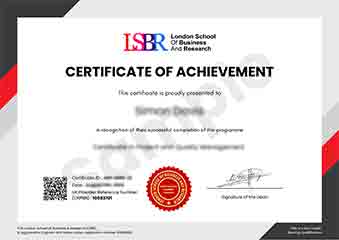
Sample Certificate
Preview the certificate you'll receive upon successful completion of this program.
Get Free Course Info
Enter your details and we'll send you a comprehensive course information pack straight to your inbox.
Employer Sponsored Training
Let your employer invest in your professional development. Request a corporate invoice and get your training funded.
Request Corporate InvoiceWhat People Say About Us
Hear from our students about their experience with the Executive Development Programme in Ergonomic Tool Design for Maximum Efficiency at LSBRX - Executive Education.
James Thompson
United Kingdom"The course provided an in-depth look at ergonomic tool design, equipping me with practical skills to enhance efficiency in various industries. Gaining insights into user-centered design principles has significantly broadened my career prospects in product development."
Sophie Brown
United Kingdom"This course has significantly enhanced my understanding of ergonomic tool design, making my work more relevant to industry standards. It has equipped me with practical skills that have directly contributed to career advancement by improving the efficiency of tools in my projects."
Oliver Davies
United Kingdom"The course structure was meticulously organized, making it easy to follow and integrate the complex concepts of ergonomic tool design. The comprehensive content provided valuable insights into real-world applications, significantly enhancing my understanding and approach to maximizing efficiency in tool design."