
Executive Development Programme in Exercise Physiology Research Methods
This programme equips executives with advanced research methods in exercise physiology, enhancing evidence-based decision-making and innovation.
Executive Development Programme in Exercise Physiology Research Methods
Programme Overview
The Executive Development Programme in Exercise Physiology Research Methods is tailored for mid-to-senior-level professionals in the healthcare, sports science, and research sectors who seek to enhance their expertise in exercise physiology research. This program integrates advanced theoretical knowledge with practical research methodologies, offering a comprehensive understanding of the physiological responses to exercise, metabolic and cardiovascular adaptations, and the application of these principles in clinical and sports settings.
Participants will develop key skills in designing, conducting, and analyzing research studies, including experimental design, statistical analysis, and data interpretation. They will also gain proficiency in using cutting-edge research tools and technologies, such as metabolic carts, heart rate monitoring devices, and advanced imaging techniques. The program emphasizes critical thinking and problem-solving in the context of exercise physiology, preparing learners to contribute meaningfully to the field and drive innovation in their organizations.
The programme significantly impacts career trajectories by equipping participants with the knowledge and skills necessary to lead and conduct high-impact research, publish in peer-reviewed journals, and contribute to policy and practice guidelines. Graduates are well-positioned to take on leadership roles in research institutions, sports organizations, and healthcare settings, leading to enhanced career opportunities and a greater impact on the field of exercise physiology.
What You'll Learn
Our Executive Development Programme in Exercise Physiology Research Methods is a comprehensive, hands-on initiative designed to empower professionals with advanced skills in the field of exercise physiology. This program offers a unique blend of theoretical knowledge and practical experience, fostering a deep understanding of research methodologies, data analysis, and the latest advancements in exercise science.
Key topics include experimental design, statistical analysis, metabolic testing, and the use of cutting-edge laboratory equipment. Participants will engage in hands-on workshops, interactive seminars, and research projects, ensuring they are well-versed in the latest techniques and technologies.
Graduates of this program are equipped to lead research initiatives, develop evidence-based exercise programs, and contribute to the scientific community. They can pursue careers in academia, sports science, healthcare, and industry, where they can apply their expertise to improve health outcomes and performance.
By the end of the program, participants will have developed a robust skill set, enhanced their research capabilities, and built a professional network that supports their career advancement. This program is ideal for professionals seeking to deepen their knowledge and make a significant impact in the field of exercise physiology.
Programme Highlights
Industry-Aligned Curriculum
Developed with industry leaders for job-ready skills valued by employers worldwide.
Globally Recognised Certificate
Recognised by employers across 180+ countries as a mark of professional excellence.
Flexible Online Learning
Study at your own pace with lifetime access to all course materials and updates.
Instant Access
Start learning immediately — no application process or waiting period required.
Constantly Updated Content
Stay ahead with the latest industry trends, best practices, and emerging insights.
Career Advancement
87% of graduates report measurable career progression within 6 months of completion.
Topics Covered
- 1. Introduction to Exercise Physiology Research: Learners will study the basic principles of exercise physiology, including the body's response to exercise, and gain an understanding of research methodologies. They will learn to design simple research studies and understand ethical considerations in research.
- 2. Laboratory Techniques in Exercise Physiology: This module covers practical laboratory techniques used in exercise physiology research, such as blood sampling, metabolic gas analysis, and muscle biopsy procedures. Learners will develop hands-on skills in these techniques.
- 3. Advanced Metabolic Testing: Learners will delve into advanced metabolic testing methods, including indirect calorimetry and 31P-MRI, to measure substrate utilization during exercise. They will learn to interpret metabolic data and apply it in research settings.
- 4. Cardiorespiratory Function Assessment: This module focuses on the assessment of cardiorespiratory function through various physiological tests, such as spirometry and echocardiography. Learners will practice conducting these tests and interpreting results.
- 5. Biochemical Analysis of Exercise Physiological Parameters: Learners will study the biochemical analysis of exercise-induced changes in muscle and blood parameters. They will learn to use analytical techniques such as HPLC and mass spectrometry in the laboratory setting.
- 6. Neuroendocrine Responses to Exercise: This module explores the neuroendocrine responses to exercise, including hormonal changes and neural adaptations. Learners will gain knowledge on how to measure and interpret these responses in research studies.
- 7. Advanced Data Analysis in Exercise Physiology: Learners will learn advanced statistical methods for analyzing exercise physiology data, including ANOVA, regression analysis, and multivariate statistics. They will also learn to use software tools for data analysis.
- 8. Research Design and Grant Writing: This module covers the process of designing research studies in exercise physiology and writing grant proposals. Learners will develop skills in formulating research questions, designing experiments, and presenting research proposals.
- 9. Case Studies in Exercise Physiology Research: Through in-depth case studies, learners will analyze real-world research projects in exercise physiology. They will learn to critically evaluate research from a scientific and ethical perspective.
- 10. Leadership and Communication in Exercise Physiology: This module focuses on developing leadership and communication skills in the context of exercise physiology research. Learners will learn to effectively communicate research findings and lead interdisciplinary teams.
What You Get When You Enroll
Secure checkout • Instant access • Certificate included
Key Facts
For exercise physiologists and researchers
No prior research experience needed
Enhance research design skills
Improve data analysis techniques
Gain knowledge in physiological testing
Ready to get started?
Join thousands of professionals who already took the next step. Enroll now and get instant access.
Enroll Now — $199Why This Course
Enhance Research Competence: This program equips professionals with advanced skills in exercise physiology research methods, enabling them to design, conduct, and interpret scientific studies effectively. This heightened expertise is crucial for advancing knowledge in the field and contributing to groundbreaking research.
Career Advancement: Graduates of this program are well-prepared to take on leadership roles in research and development. The program's focus on practical skills and theoretical knowledge enhances employability in academic, clinical, and industrial settings, fostering career growth and opportunities for higher-level positions.
Interdisciplinary Collaboration: The curriculum emphasizes the importance of interdisciplinary collaboration, preparing professionals to work effectively with various stakeholders, including healthcare providers, fitness professionals, and policy makers. This capability is essential for addressing complex health issues and developing comprehensive solutions.
Adaptive Skills: The program cultivates adaptive and innovative thinking, enabling professionals to stay current with evolving research methodologies and technologies. This adaptability is vital in a rapidly changing professional landscape, ensuring that individuals remain relevant and effective in their roles.
Your Path to Certification
Trusted by Professionals Worldwide
Course Brochure
Download our comprehensive course brochure with all details
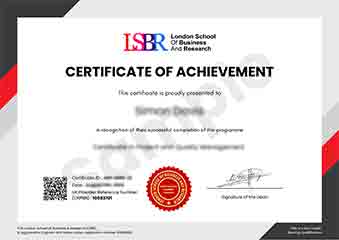
Sample Certificate
Preview the certificate you'll receive upon successful completion of this program.
Get Free Course Info
Enter your details and we'll send you a comprehensive course information pack straight to your inbox.
Employer Sponsored Training
Let your employer invest in your professional development. Request a corporate invoice and get your training funded.
Request Corporate InvoiceWhat People Say About Us
Hear from our students about their experience with the Executive Development Programme in Exercise Physiology Research Methods at LSBRX - Executive Education.
James Thompson
United Kingdom"The course provided robust, cutting-edge content that significantly enhanced my understanding of research methodologies in exercise physiology. Gaining hands-on experience with data analysis tools and experimental design techniques has been invaluable for my career in sports science."
Ashley Rodriguez
United States"The Executive Development Programme in Exercise Physiology Research Methods has significantly enhanced my ability to apply research methodologies in real-world scenarios, making me more competitive in the job market and opening up new opportunities for career advancement in sports science."
Brandon Wilson
United States"The course structure was meticulously organized, providing a seamless transition from theoretical concepts to practical applications, which significantly enhanced my understanding and appreciation of exercise physiology research methods. The comprehensive content not only deepened my knowledge but also equipped me with valuable skills for real-world research scenarios."