
Executive Development Programme in Farm Biodiversity Conservation
This programme equips executives with strategies to conserve farm biodiversity, enhancing sustainability and productivity.
Executive Development Programme in Farm Biodiversity Conservation
Programme Overview
The Executive Development Programme in Farm Biodiversity Conservation is tailored for agricultural professionals, farmers, and industry leaders who are committed to enhancing sustainable farming practices and biodiversity conservation. This program focuses on advanced methodologies for integrating biodiversity into agricultural landscapes, emphasizing the importance of ecosystem services, and fostering a deeper understanding of the ecological impacts of farming practices. Participants will delve into the latest scientific research and practical, hands-on applications to improve soil health, reduce chemical inputs, and promote the coexistence of crops and wildlife.
Key skills and knowledge developed through this program include the ability to design and implement holistic farm management strategies that preserve or enhance biodiversity, assess the ecological impact of different farming practices, and advocate for policy changes that support sustainable agriculture. Learners will also gain proficiency in using innovative technologies and tools to monitor and manage biodiversity on farms, as well as the skills to lead and collaborate with interdisciplinary teams to address complex environmental challenges.
This program has a significant career impact, equipping participants with the expertise to advance sustainable agricultural practices, innovate in the field of agroecology, and contribute to global efforts in biodiversity conservation. Graduates are well-prepared to lead initiatives that enhance the resilience and sustainability of agricultural systems, ultimately contributing to food security and environmental health.
What You'll Learn
The Executive Development Programme in Farm Biodiversity Conservation is an intensive, hands-on initiative designed for leaders in the agricultural sector who aim to integrate sustainable practices into their operations. This program offers a unique blend of theoretical knowledge and practical skills, equipping participants with the tools to enhance biodiversity on farms, promote ecological health, and contribute to global environmental stewardship.
Key topics include the importance of biodiversity in agriculture, sustainable farming techniques, ecological restoration, and policy frameworks that support biodiversity conservation. Participants engage in workshops, field studies, and case studies, allowing them to apply their learning directly to real-world scenarios. The program also emphasizes the integration of biodiversity conservation with economic viability, helping leaders navigate the complexities of sustainable business practices.
Upon completion, graduates are well-prepared to lead initiatives in their organizations that not only improve environmental sustainability but also enhance operational efficiency and stakeholder engagement. They can spearhead biodiversity projects, develop innovative farming methods, and advocate for policy changes that support sustainable agriculture. Graduates will find opportunities in a variety of roles, including farm management, environmental consulting, policy development, and community outreach, contributing to a more resilient and biodiverse agricultural sector.
Programme Highlights
Industry-Aligned Curriculum
Developed with industry leaders for job-ready skills valued by employers worldwide.
Globally Recognised Certificate
Recognised by employers across 180+ countries as a mark of professional excellence.
Flexible Online Learning
Study at your own pace with lifetime access to all course materials and updates.
Instant Access
Start learning immediately — no application process or waiting period required.
Constantly Updated Content
Stay ahead with the latest industry trends, best practices, and emerging insights.
Career Advancement
87% of graduates report measurable career progression within 6 months of completion.
Topics Covered
- 1. Introduction to Farm Biodiversity Conservation: Learners will understand the importance of biodiversity in agriculture and the basic principles of conservation. They will gain an overview of the ecosystem services provided by diverse farm ecosystems.
- 2. Biodiversity Assessment Techniques: Learners will study methods for assessing biodiversity on farms, including species identification, habitat mapping, and ecological surveys. Practical skills include conducting on-site assessments and using biodiversity assessment tools.
- 3. Sustainable Farming Practices: This module covers sustainable agricultural practices that promote biodiversity, such as agroforestry, crop rotation, and integrated pest management. Learners will learn to design and implement sustainable farming systems that support diverse ecosystems.
- 4. Conservation Genetics and Breeding: Learners will explore the genetic diversity of crops and livestock, and the role of conservation genetics in maintaining genetic resources. Practical skills include basic genetic analysis and breeding strategies for conservation.
- 5. Ecological Modeling for Biodiversity: This module introduces ecological modeling techniques to predict the impact of management practices on biodiversity. Learners will gain skills in using modeling software to simulate ecological scenarios and make informed management decisions.
- 6. Policy and Governance for Biodiversity: Learners will study the legal and policy frameworks that support biodiversity conservation in agriculture. Practical skills include drafting conservation plans, engaging with policymakers, and advocating for biodiversity-friendly policies.
- 7. Case Studies in Farm Biodiversity Conservation: Through detailed case studies, learners will examine successful conservation initiatives and critical challenges in diverse agricultural settings. Skills include analyzing case studies and developing solutions for real-world biodiversity conservation problems.
- 8. Leadership and Communication in Biodiversity Conservation: This module focuses on developing leadership and communication skills essential for effective biodiversity conservation. Learners will practice articulating conservation goals, collaborating with stakeholders, and leading biodiversity conservation projects.
- 9. Innovative Technologies for Biodiversity Monitoring: Learners will explore the use of modern technologies such as remote sensing, GIS, and citizen science in biodiversity monitoring. Practical skills include using technology for data collection and analysis, and integrating technology into conservation strategies.
- 10. Strategic Planning for Biodiversity Conservation: This module teaches learners how to develop strategic plans for biodiversity conservation on farms. Skills include goal setting, resource allocation, and monitoring progress towards conservation objectives.
What You Get When You Enroll
Secure checkout • Instant access • Certificate included
Key Facts
Audience: Mid-level agricultural managers, conservationists
Prerequisites: Basic knowledge of agriculture, experience in farming
Outcomes: Enhanced biodiversity management skills, improved conservation practices
Ready to get started?
Join thousands of professionals who already took the next step. Enroll now and get instant access.
Enroll Now — $199Why This Course
Expanding Expertise: The Executive Development Programme in Farm Biodiversity Conservation offers professionals the opportunity to deepen their understanding of sustainable agricultural practices. This program covers a wide range of topics including agroecology, ecosystem services, and biodiversity management, equipping participants with a comprehensive toolkit to enhance farm productivity while maintaining ecological balance.
Career Advancement: By participating in this program, individuals can gain certifications that are highly valued in the agricultural sector. These certifications can open doors to leadership roles in organizations committed to sustainable agriculture and biodiversity conservation, or facilitate a transition into roles that align with environmental stewardship.
Networking Opportunities: The program connects participants with industry leaders, researchers, and other professionals dedicated to biodiversity conservation. These networks can provide valuable insights, collaborations, and mentorship, which are crucial for career growth and innovation in sustainable farming practices.
Practical Application: The curriculum includes hands-on training and case studies that allow professionals to apply theoretical knowledge to real-world scenarios. This practical experience enhances problem-solving skills and adapts professionals to the dynamic challenges faced in modern agriculture, making them more effective in their roles and better prepared to innovate and lead sustainable initiatives.
Your Path to Certification
Trusted by Professionals Worldwide
Course Brochure
Download our comprehensive course brochure with all details
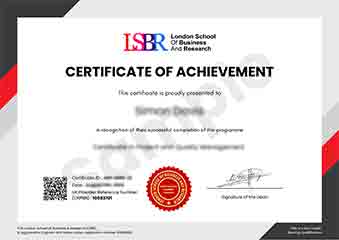
Sample Certificate
Preview the certificate you'll receive upon successful completion of this program.
Get Free Course Info
Enter your details and we'll send you a comprehensive course information pack straight to your inbox.
Employer Sponsored Training
Let your employer invest in your professional development. Request a corporate invoice and get your training funded.
Request Corporate InvoiceWhat People Say About Us
Hear from our students about their experience with the Executive Development Programme in Farm Biodiversity Conservation at LSBRX - Executive Education.
James Thompson
United Kingdom"The course content was incredibly thorough, providing deep insights into biodiversity conservation techniques that are directly applicable in real-world scenarios. Gaining hands-on skills in ecosystem management and sustainable farming practices has been invaluable for my career in agriculture."
Ruby McKenzie
Australia"This Executive Development Programme in Farm Biodiversity Conservation has been incredibly practical, equipping me with the latest tools and strategies to enhance farm biodiversity. It has not only deepened my technical skills but also opened up new career opportunities in sustainable agriculture."
Connor O'Brien
Canada"The course structure was well-organized, providing a comprehensive overview of farm biodiversity conservation that seamlessly connected theoretical knowledge with practical applications, significantly enhancing my understanding and approach to sustainable farming practices."