
Executive Development Programme in Genetic Modification for Vector Control
This program equips executives with strategic insights and technical knowledge in genetic modification for effective vector control and public health improvement.
Executive Development Programme in Genetic Modification for Vector Control
Programme Overview
The Executive Development Programme in Genetic Modification for Vector Control is designed for senior executives and professionals in the biotechnology, public health, and environmental sectors who seek to leverage advanced genetic modification techniques to enhance vector control strategies. This program integrates cutting-edge research in genetics, vector biology, and biotechnology, providing participants with a comprehensive understanding of how genetic modification can be applied to control disease-carrying vectors such as mosquitoes, ticks, and fleas. The curriculum is structured to cover the foundational principles of genetic modification, the latest biotechnological tools and techniques, and the ethical, regulatory, and environmental considerations associated with these technologies.
Participants in this program will develop a deep understanding of molecular biology, including gene editing, vector ecology, and epidemiology. They will also gain expertise in biostatistics and data analysis, enabling them to assess the efficacy and impact of genetic modification in vector control. Additionally, learners will enhance their skills in strategic planning, policy development, and stakeholder engagement, preparing them to navigate the complex landscape of public health and environmental management. By the end of the program, participants will be well-equipped to lead initiatives that utilize genetic modification for sustainable vector control, contributing to global health and environmental protection efforts.
What You'll Learn
The Executive Development Programme in Genetic Modification for Vector Control is a cutting-edge initiative designed to equip professionals with the latest knowledge and skills in genetic modification techniques, tailored for vector control. This program bridges the gap between academic research and practical application, offering participants a comprehensive understanding of genetic tools and their implementation in controlling vector-borne diseases.
Key topics include advanced genetic editing techniques, vector biology, bioinformatics, and ethical considerations in genetic modification. Through hands-on workshops and case studies, participants learn to design, execute, and evaluate genetic modification projects aimed at controlling vectors like mosquitoes and ticks, which transmit diseases such as malaria, dengue, and Lyme disease.
Upon completion, graduates are well-prepared to lead genetic modification projects in public health, research institutions, and biotech companies. They can develop and implement vector control strategies, contribute to policy development, and conduct research to address emerging public health challenges. Career opportunities include research and development roles, project management, and leadership positions in health organizations, governmental bodies, and private sector biotechnology firms.
This program not only enhances technical skills but also fosters a deep understanding of the social, ethical, and environmental implications of genetic modification, ensuring that graduates are ready to drive innovation while maintaining the highest standards of responsibility and integrity.
Programme Highlights
Industry-Aligned Curriculum
Developed with industry leaders for job-ready skills valued by employers worldwide.
Globally Recognised Certificate
Recognised by employers across 180+ countries as a mark of professional excellence.
Flexible Online Learning
Study at your own pace with lifetime access to all course materials and updates.
Instant Access
Start learning immediately — no application process or waiting period required.
Constantly Updated Content
Stay ahead with the latest industry trends, best practices, and emerging insights.
Career Advancement
87% of graduates report measurable career progression within 6 months of completion.
Topics Covered
- 1. Introduction to Genetic Modification Fundamentals: Learners will study basic principles of genetic modification, including DNA structure and function, and gain an understanding of genetic engineering techniques. They will learn to describe how genetic modification can be used in vector control.
- 2. Fundamentals of Vector Biology: Learners will explore the biology of key vector species, including their ecology, behavior, and impact on human health. Practical skills include identifying vectors and understanding their life cycles.
- 3. Genetic Modification Techniques for Vector Control: Learners will delve into advanced genetic modification techniques such as CRISPR/Cas9 and gene drives, and learn how to apply these methods to control vector populations. Practical skills include designing and implementing genetic modification protocols.
- 4. Ethics and Regulatory Aspects of Genetic Modification: Learners will examine ethical considerations and regulatory frameworks surrounding genetic modification in vector control. They will gain the ability to assess the ethical implications and navigate regulatory requirements.
- 5. Genetic Monitoring and Surveillance: Learners will study methods for monitoring and surveilling genetic modifications in vector populations, including genetic marker detection and population dynamics analysis. Practical skills include conducting genetic monitoring and interpreting surveillance data.
- 6. Genetic Modification for Vector Control Case Studies: Learners will analyze real-world applications of genetic modification in vector control, focusing on successful and unsuccessful case studies. Practical skills include evaluating the effectiveness of genetic modification strategies.
- 7. Advanced Genetic Modification Strategies: Learners will explore cutting-edge genetic modification strategies, such as synthetic biology approaches and genome editing for vector control. Practical skills include designing and implementing advanced genetic modification strategies.
- 8. Public Engagement and Communication in Genetic Modification: Learners will learn how to effectively engage with the public and communicate about genetic modification in vector control. Practical skills include developing communication strategies and public engagement plans.
- 9. Data Analysis and Modeling for Genetic Modification: Learners will study statistical and computational methods for analyzing data from genetic modification experiments. Practical skills include using statistical software for data analysis and modeling.
- 10. Future Directions in Genetic Modification for Vector Control: Learners will explore emerging trends and future directions in the field of genetic modification for vector control. Practical skills include identifying and evaluating new research opportunities and technological advancements.
What You Get When You Enroll
Secure checkout • Instant access • Certificate included
Key Facts
Audience: Biotech managers, research leaders
Prerequisites: Basic knowledge in genetics, vector biology
Outcomes: Advanced skills in GM techniques, strategic planning
Ready to get started?
Join thousands of professionals who already took the next step. Enroll now and get instant access.
Enroll Now — $199Why This Course
This program equips professionals with advanced knowledge in genetic modification techniques, crucial for vector control. Understanding the genetic basis of vector-borne diseases enhances the ability to develop targeted interventions, making it essential for public health professionals aiming to combat diseases like malaria and dengue.
By participating in this programme, professionals gain practical skills in laboratory techniques and bioinformatics. These skills are vital for data analysis and the development of genetically modified organisms for vector control, ensuring they can contribute effectively to scientific research and innovation in the field.
The program fosters a network of professionals from diverse backgrounds, providing opportunities for collaborative research and knowledge exchange. This network can lead to innovative solutions and partnerships, enhancing career prospects and the impact of their work in global health initiatives.
Your Path to Certification
Trusted by Professionals Worldwide
Course Brochure
Download our comprehensive course brochure with all details
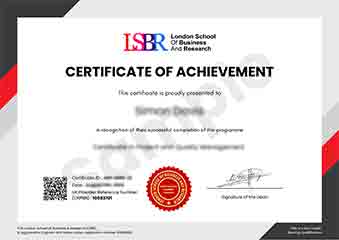
Sample Certificate
Preview the certificate you'll receive upon successful completion of this program.
Get Free Course Info
Enter your details and we'll send you a comprehensive course information pack straight to your inbox.
Employer Sponsored Training
Let your employer invest in your professional development. Request a corporate invoice and get your training funded.
Request Corporate InvoiceWhat People Say About Us
Hear from our students about their experience with the Executive Development Programme in Genetic Modification for Vector Control at LSBRX - Executive Education.
James Thompson
United Kingdom"The course content was incredibly comprehensive, providing deep insights into genetic modification techniques and their application in vector control. I gained practical skills that will be invaluable in my career, particularly in understanding how to implement these technologies effectively in real-world scenarios."
Jia Li Lim
Singapore"This course has been incredibly relevant to my career in vector control, equipping me with advanced genetic modification techniques that I can directly apply in my work. It has opened up new opportunities for me to contribute more effectively to public health initiatives."
Emma Tremblay
Canada"The course structure was meticulously organized, providing a clear path from foundational concepts to advanced applications in genetic modification for vector control. The comprehensive content not only deepened my understanding but also opened up new avenues for professional growth by highlighting real-world applications in public health."