
Executive Development Programme in Heritage Education: Developing Interactive Programs
This programme develops interactive heritage education programs, enhancing engagement and educational impact for learners of all ages.
Executive Development Programme in Heritage Education: Developing Interactive Programs
Programme Overview
The Executive Development Programme in Heritage Education: Developing Interactive Programs is designed for professionals in the heritage sector, educators, and cultural practitioners who seek to enhance their skills in creating engaging and educational experiences that resonate with diverse audiences. This comprehensive programme focuses on the development of interactive programs that not only preserve cultural heritage but also engage and inspire learners. Participants will delve into the intricacies of heritage education, including the latest methodologies in interactive learning, the importance of storytelling, and the integration of technology to create immersive educational experiences.
Through this programme, learners will develop key skills such as research and analysis to understand cultural contexts, creative design thinking for developing innovative educational programs, and effective communication techniques to convey complex historical and cultural narratives. They will also gain expertise in digital storytelling and multimedia applications, learning how to leverage technology to enhance engagement and learning outcomes. By the end of the programme, participants will be equipped to design, develop, and implement interactive heritage education programs that are both educational and culturally sensitive.
The programme has a significant impact on the career trajectory of participants, offering them the opportunity to lead in the development of cutting-edge educational initiatives in the heritage sector. Graduates will be well-prepared to take on leadership roles in curating and delivering educational programs that foster a deeper understanding and appreciation of cultural heritage, contributing to the broader goal of preserving and promoting cultural diversity.
What You'll Learn
The Executive Development Programme in Heritage Education: Developing Interactive Programs is a transformative initiative designed for professionals and enthusiasts eager to enhance their skills in creating engaging educational experiences centered around cultural and historical heritage. This program combines theoretical knowledge with practical application, equipping participants with the tools to develop interactive and immersive educational programs that breathe life into the past.
Key topics include the integration of multimedia and digital technologies in heritage education, the development of culturally sensitive educational materials, and the design of interactive learning experiences that cater to diverse audiences. Participants will also explore the role of heritage education in fostering community engagement and understanding.
Upon completion, graduates will be well-prepared to lead projects that not only preserve cultural legacies but also make them accessible and relevant to today’s audiences. They will have the skills to design and implement programs that enhance educational outcomes and contribute to the broader goals of cultural preservation and community development.
Career opportunities abound for programme alumni, ranging from roles in museums, heritage sites, and educational institutions to positions in media and technology companies focused on digital heritage solutions. Graduates can also pursue further leadership roles in policy-making, education, and cultural initiatives, driving meaningful changes in how heritage is taught and experienced.
Programme Highlights
Industry-Aligned Curriculum
Developed with industry leaders for job-ready skills valued by employers worldwide.
Globally Recognised Certificate
Recognised by employers across 180+ countries as a mark of professional excellence.
Flexible Online Learning
Study at your own pace with lifetime access to all course materials and updates.
Instant Access
Start learning immediately — no application process or waiting period required.
Constantly Updated Content
Stay ahead with the latest industry trends, best practices, and emerging insights.
Career Advancement
87% of graduates report measurable career progression within 6 months of completion.
Topics Covered
- 1. Introduction to Heritage Education: Learners will explore the fundamental concepts of heritage education, including its importance, objectives, and key principles. They will gain an understanding of how to design and deliver educational programs that engage diverse audiences.
- 2. Interactive Learning Techniques: This module covers various interactive learning methods tailored for heritage education, such as storytelling, gamification, and experiential learning. Learners will develop skills in creating engaging and participatory educational experiences.
- 3. Heritage Site Management: Focusing on the management and preservation of heritage sites, learners will understand the importance of site conservation and visitor management. They will learn practical skills in planning, implementation, and evaluation of heritage site programs.
- 4. Curriculum Development for Heritage Education: Learners will develop the skills necessary to create educational curricula that align with heritage education objectives. They will learn to design lesson plans, develop educational materials, and integrate interactive elements effectively.
- 5. Technology in Heritage Education: This module explores the use of digital technologies in heritage education, including virtual reality, augmented reality, and mobile applications. Learners will gain hands-on experience in integrating technology to enhance learning experiences.
- 6. Community Engagement and Partnerships: Learners will understand the role of community engagement in heritage education and how to build effective partnerships with local organizations. They will develop skills in community outreach, collaboration, and stakeholder management.
- 7. Evaluation and Research Methods: This module focuses on methods for evaluating the effectiveness of heritage education programs. Learners will learn to design and conduct research projects, analyze data, and use evaluation findings to improve program design and delivery.
- 8. Leadership and Strategic Planning in Heritage Education: Emphasizing leadership and strategic planning, learners will explore how to lead and manage heritage education initiatives. They will develop skills in strategic planning, resource allocation, and leadership in the context of heritage education.
- 9. Marketing and Promotion Strategies: Covering marketing and promotion strategies for heritage education programs, learners will learn how to effectively market and promote their initiatives to attract diverse audiences. They will gain skills in branding, public relations, and promotional campaigns.
- 10. Case Studies in Heritage Education: This module examines real-world case studies of successful heritage education programs. Learners will analyze these cases to gain insights into effective practices and strategies, and will apply their learning to develop their own projects.
What You Get When You Enroll
Secure checkout • Instant access • Certificate included
Key Facts
Audience: Heritage educators, museum staff
Prerequisites: Basic knowledge of heritage
Outcomes: Enhanced interactive program design skills
Ready to get started?
Join thousands of professionals who already took the next step. Enroll now and get instant access.
Enroll Now — $199Why This Course
Enhanced Cultural Competence: Participating in the Executive Development Programme in Heritage Education equips professionals with a deep understanding of cultural heritage, enabling them to develop more inclusive and engaging programs. This skill is particularly valuable in today’s diverse work environments, where cultural sensitivity and competence are crucial for effective leadership and team management.
Interactive Program Design: The programme focuses on creating interactive educational experiences, which can significantly enhance career prospects in fields such as museum curation, educational policy, and community development. These skills are highly sought after, as they allow professionals to design programs that not only educate but also inspire and engage participants, fostering a deeper connection to cultural heritage.
Leadership and Strategic Thinking: Through this programme, professionals will develop robust leadership skills and strategic thinking, essential for advancing in management roles within cultural institutions. The skills learned can be applied to various sectors, including education, tourism, and cultural policy, preparing participants to lead initiatives that preserve and promote cultural heritage effectively.
Your Path to Certification
Trusted by Professionals Worldwide
Course Brochure
Download our comprehensive course brochure with all details
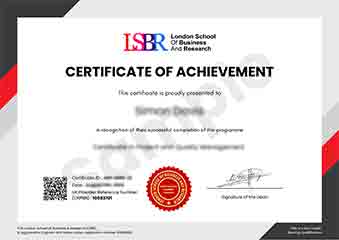
Sample Certificate
Preview the certificate you'll receive upon successful completion of this program.
Get Free Course Info
Enter your details and we'll send you a comprehensive course information pack straight to your inbox.
Employer Sponsored Training
Let your employer invest in your professional development. Request a corporate invoice and get your training funded.
Request Corporate InvoiceWhat People Say About Us
Hear from our students about their experience with the Executive Development Programme in Heritage Education: Developing Interactive Programs at LSBRX - Executive Education.
Sophie Brown
United Kingdom"The course provided an in-depth look at heritage education, with high-quality materials that really enhanced my understanding of interactive program development. I gained practical skills that I can immediately apply to create engaging educational experiences, which I believe will be invaluable in my career."
Oliver Davies
United Kingdom"This program has been incredibly valuable in bridging the gap between theoretical knowledge and practical application in heritage education. It has equipped me with the skills to develop interactive programs that engage diverse audiences, making me more competitive in the job market and opening up new career opportunities."
Siti Abdullah
Malaysia"The course structure was well-organized, providing a clear pathway for developing interactive heritage education programs. The comprehensive content offered valuable insights into real-world applications, enhancing my understanding and professional growth significantly."