
Executive Development Programme in Implementing Data Classification Systems
This programme equips executives with the knowledge and skills to effectively implement and manage data classification systems, enhancing data security and compliance.
Executive Development Programme in Implementing Data Classification Systems
Programme Overview
The Executive Development Programme in Implementing Data Classification Systems is designed for senior executives and IT professionals in organizations that require robust data governance and security frameworks. This program equips participants with the strategic and technical knowledge needed to design, implement, and manage data classification systems that align with business objectives and regulatory requirements. Participants will engage with cutting-edge practices and tools in data classification, risk management, and compliance, fostering a deep understanding of how to protect sensitive information and ensure organizational data integrity.
Key skills and knowledge developed through this program include advanced data classification methodologies, data governance frameworks, risk assessment techniques, and the integration of data classification systems with existing IT infrastructure. Learners will also gain proficiency in regulatory compliance standards such as GDPR, HIPAA, and CCPA, as well as best practices for data access control, data encryption, and data breach response. By the end of the program, participants will be well-versed in deploying and maintaining data classification systems that not only protect company assets but also enhance operational efficiency and decision-making processes.
This executive-level program significantly impacts career trajectories by positioning participants as leaders in data security and governance. Graduates will be able to lead complex data projects, align data strategies with business goals, and drive organizational change to improve data management practices. They will be better equipped to navigate the rapidly evolving landscape of data security, ensuring their organizations remain compliant and secure in an increasingly digital world.
What You'll Learn
Embark on a transformative journey with our Executive Development Programme in Implementing Data Classification Systems, designed to elevate your leadership in the digital age. This intensive program equips executives with the strategic acumen and practical skills necessary to establish and manage robust data classification systems. Key topics include data governance, regulatory compliance, risk assessment, and advanced cybersecurity measures. Participants will learn to navigate the complexities of data protection frameworks, ensuring that their organizations remain compliant with local and international standards.
Through hands-on workshops and real-world case studies, you will develop a deep understanding of how to implement effective data classification strategies that not only safeguard sensitive information but also enhance operational efficiency. By the end of the program, you will be well-prepared to lead your team through the challenges of data management, fostering a secure and compliant digital environment.
This program not only enhances your professional skill set but also opens doors to advanced leadership roles in data security, technology management, and corporate governance. Participants will emerge with the confidence and knowledge to drive data-driven strategies that are essential for modern business success. Join us to transform data from a compliance burden into a strategic asset, ensuring your organization thrives in the digital landscape.
Programme Highlights
Industry-Aligned Curriculum
Developed with industry leaders for job-ready skills valued by employers worldwide.
Globally Recognised Certificate
Recognised by employers across 180+ countries as a mark of professional excellence.
Flexible Online Learning
Study at your own pace with lifetime access to all course materials and updates.
Instant Access
Start learning immediately — no application process or waiting period required.
Constantly Updated Content
Stay ahead with the latest industry trends, best practices, and emerging insights.
Career Advancement
87% of graduates report measurable career progression within 6 months of completion.
Topics Covered
- 1. Introduction to Data Classification Systems: Learners will understand the importance of data classification and explore foundational concepts. They will gain the skills to identify key data types and their associated security requirements.
- 2. Legal and Regulatory Compliance: This module covers the legal and regulatory landscape relevant to data classification, including GDPR, HIPAA, and others. Learners will learn how to ensure compliance in their classification systems.
- 3. Data Classification Policies and Procedures: Learners will develop and refine policies and procedures for data classification. Practical skills include creating effective classification guidelines and implementing them within an organization.
- 4. Data Labeling Techniques: This module focuses on the practical aspects of labeling data according to predefined categories. Learners will master various techniques and tools for accurate and efficient data labeling.
- 5. Implementing Data Access Controls: Learners will learn how to design and implement access controls based on data classifications. Practical skills include configuring access levels and permissions.
- 6. Risk Assessment and Management: This module covers risk assessment methodologies specific to data classification systems. Learners will learn to identify, assess, and manage risks associated with different data classifications.
- 7. Developing Data Classification Dashboards: Learners will create and customize dashboards to monitor and report on data classification status. Practical skills include using data visualization tools and interpreting dashboard data.
- 8. Advanced Techniques for Automated Classification: This module delves into advanced techniques for automating data classification processes. Learners will gain skills in using machine learning and AI to enhance classification accuracy.
- 9. Integration with Existing Systems: Learners will learn how to integrate data classification systems with existing IT infrastructure. Practical skills include designing and implementing integration solutions.
- 10. Continuous Improvement and Best Practices: This module focuses on best practices for maintaining and continuously improving data classification systems. Learners will develop skills in monitoring, auditing, and optimizing classification processes.
What You Get When You Enroll
Secure checkout • Instant access • Certificate included
Key Facts
Audience: IT professionals, data managers
Prerequisites: Basic IT knowledge, understanding of data management
Outcomes: Expertise in data classification, compliance skills, improved data security
Ready to get started?
Join thousands of professionals who already took the next step. Enroll now and get instant access.
Enroll Now — $199Why This Course
Enhance Strategic Decision-Making: By participating in an Executive Development Programme in Implementing Data Classification Systems, professionals can gain a deeper understanding of how data classification systems can support strategic business decisions. This knowledge helps in aligning data management practices with organizational goals, thereby improving operational efficiency and risk management.
Boost Industry Competitiveness: The programme equips participants with the latest tools and methodologies for data classification, enabling them to enhance their organization's data security and compliance. This not only protects sensitive information but also adheres to regulatory requirements, thereby boosting the organization’s competitiveness in the market.
Develop Leadership Skills: The programme focuses on leadership aspects, teaching participants how to advocate for and implement data classification systems across different levels of the organization. This development in leadership skills is crucial for driving change and ensuring that data management practices are integrated into the overall organizational strategy.
Foster Interdisciplinary Collaboration: Learning about data classification systems requires an understanding of various disciplines, including data science, IT, and legal compliance. This interdisciplinary approach enhances collaboration among teams, leading to more effective data management practices and better support for business initiatives.
Your Path to Certification
Trusted by Professionals Worldwide
Course Brochure
Download our comprehensive course brochure with all details
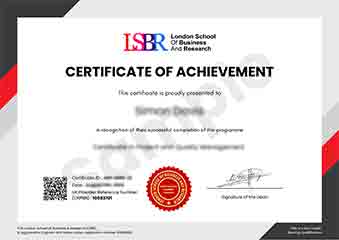
Sample Certificate
Preview the certificate you'll receive upon successful completion of this program.
Get Free Course Info
Enter your details and we'll send you a comprehensive course information pack straight to your inbox.
Employer Sponsored Training
Let your employer invest in your professional development. Request a corporate invoice and get your training funded.
Request Corporate InvoiceWhat People Say About Us
Hear from our students about their experience with the Executive Development Programme in Implementing Data Classification Systems at LSBRX - Executive Education.
Oliver Davies
United Kingdom"The course content was incredibly detailed and well-structured, providing a solid foundation in data classification systems that directly translated into practical skills I've been able to apply in my current role. It has significantly enhanced my ability to manage data security and compliance effectively, opening up new opportunities in my career."
Ashley Rodriguez
United States"The Executive Development Programme in Implementing Data Classification Systems has significantly enhanced my ability to manage sensitive data effectively, making me more valuable in my role. The practical applications taught in the course have directly contributed to my career advancement by enabling me to implement robust data protection strategies in my organization."
Charlotte Williams
United Kingdom"The course structure was well-organized, providing a clear pathway from foundational concepts to advanced strategies in data classification, which greatly enhanced my understanding and practical application skills. The comprehensive content and real-world examples were particularly beneficial for my professional growth in implementing effective data classification systems."