
Executive Development Programme in Indigenous Language Revitalization Programs
This programme enhances leadership skills for revitalizing indigenous languages, fostering cultural preservation and community engagement.
Executive Development Programme in Indigenous Language Revitalization Programs
Programme Overview
The Executive Development Programme in Indigenous Language Revitalization Programs is designed for leaders and professionals committed to preserving and revitalizing endangered Indigenous languages. The program focuses on equipping participants with comprehensive strategies and tools to develop and implement effective language revitalization initiatives, foster community engagement, and manage resources efficiently. It is tailored for educators, community leaders, policymakers, and language activists who aim to make a significant impact in their communities and beyond.
Participants in this program will develop a deep understanding of the linguistic, cultural, and social aspects of language revitalization. Key skills and knowledge include the creation and implementation of language immersion programs, the use of technology to enhance language learning, and the development of sustainable funding and partnership strategies. Additionally, learners will gain expertise in community-based research methods, policy advocacy, and the psychological and emotional support necessary for language learners and speakers.
The career impact of this program is substantial, as graduates will be well-prepared to lead and inspire language revitalization efforts. They will have the skills to innovate and adapt to the needs of their communities, contributing to the preservation of invaluable cultural heritage and fostering the integration of Indigenous languages in educational, social, and governmental institutions. This program not only empowers individuals but also strengthens the broader movement towards linguistic and cultural revitalization.
What You'll Learn
The Executive Development Programme in Indigenous Language Revitalization Programs is a transformative initiative aimed at equipping leaders with the skills and knowledge necessary to preserve and promote indigenous languages. This program is invaluable for its comprehensive approach, blending cultural immersion, linguistic expertise, and leadership development. Participants explore the sociolinguistic, historical, and political contexts that impact language revitalization efforts, and delve into practical strategies for community engagement and sustainable language programs.
Key topics include the role of language in cultural identity, community-based language planning, digital tools for language documentation and revitalization, and effective advocacy for indigenous languages. Graduates apply these skills by developing and implementing robust language revitalization initiatives, collaborating with communities to create inclusive learning environments, and advocating for linguistic rights at local and national levels.
This program opens doors to diverse career opportunities, including roles in community-based organizations, government agencies, educational institutions, and non-profit organizations. Graduates are well-prepared to lead projects that not only preserve linguistic diversity but also foster a deeper understanding and appreciation of indigenous cultures. Join us in this vital endeavor to strengthen the global tapestry of languages and cultures.
Programme Highlights
Industry-Aligned Curriculum
Developed with industry leaders for job-ready skills valued by employers worldwide.
Globally Recognised Certificate
Recognised by employers across 180+ countries as a mark of professional excellence.
Flexible Online Learning
Study at your own pace with lifetime access to all course materials and updates.
Instant Access
Start learning immediately — no application process or waiting period required.
Constantly Updated Content
Stay ahead with the latest industry trends, best practices, and emerging insights.
Career Advancement
87% of graduates report measurable career progression within 6 months of completion.
Topics Covered
- 1. Introduction to Indigenous Languages: Learners will explore the historical and cultural significance of indigenous languages, understanding the importance of language revitalization. They will gain foundational knowledge in linguistics and sociolinguistics relevant to indigenous language communities.
- 2. Language Documentation and Archiving: This module introduces learners to the methodologies and tools for documenting and archiving indigenous languages, including fieldwork techniques, transcription and translation practices, and digital archiving.
- 3. Language Revitalization Strategies: Learners will study various strategies and approaches to language revitalization, such as language immersion programs, community-based language classes, and the use of technology and media in language learning.
- 4. Policy and Advocacy for Indigenous Languages: This module covers the development and implementation of policies that support indigenous language revitalization, including legal frameworks, funding opportunities, and advocacy strategies.
- 5. Community Engagement and Empowerment: Learners will learn how to effectively engage with indigenous communities, fostering a sense of ownership and empowerment in language revitalization efforts. They will also explore leadership roles within language revitalization initiatives.
- 6. Teaching Methods for Indigenous Languages: This module focuses on best practices for teaching indigenous languages, including curriculum development, pedagogical approaches, and the integration of cultural content into language learning.
- 7. Technology and Indigenous Language Learning: Learners will explore the use of technology in supporting language revitalization, including the development of language learning apps, online resources, and digital literacy programs for indigenous communities.
- 8. Research Methods in Indigenous Language Studies: This module introduces learners to qualitative and quantitative research methods specific to indigenous language studies, including data collection, analysis, and the ethical considerations of conducting research in indigenous communities.
- 9. Case Studies in Indigenous Language Revitalization: Learners will analyze successful and unsuccessful case studies of indigenous language revitalization programs from around the world, gaining insights into what works and what does not.
- 10. Leadership and Management in Indigenous Language Projects: This advanced module covers the leadership and management skills necessary for overseeing large-scale indigenous language revitalization projects, including project planning, budgeting, and strategic planning.
What You Get When You Enroll
Secure checkout • Instant access • Certificate included
Key Facts
Audience: Indigenous community leaders, educators
Prerequisites: Basic understanding of language revitalization
Outcomes: Enhanced leadership skills, improved language proficiency
Ready to get started?
Join thousands of professionals who already took the next step. Enroll now and get instant access.
Enroll Now — $199Why This Course
Enhanced Cultural Competence: Engaging in an Executive Development Programme in Indigenous Language Revitalization Programs equips professionals with a deep understanding of Indigenous cultures, histories, and languages. This knowledge is invaluable in fostering respectful and effective collaboration across diverse teams, enhancing workplace inclusivity, and building strong relationships with Indigenous communities.
Strategic Leadership Skills: The programme focuses on developing strategic thinking and leadership skills tailored to Indigenous contexts. Participants learn to apply these skills to drive initiatives that support language revitalization, thereby contributing to more effective and sustainable outcomes in both public and private sectors.
Language Proficiency and Communication: By immersing themselves in Indigenous language learning, professionals can significantly improve their language skills, which are crucial for effective communication and engagement with Indigenous populations. This enhances their ability to communicate sensitively and accurately, a critical skill in today’s multicultural and multilingual environments.
Empowerment and Innovation: The programme fosters an environment of innovation and empowerment, encouraging participants to develop creative solutions to complex challenges in language revitalization. This not only contributes to the field but also enhances participants' problem-solving abilities, making them valuable leaders in their organizations.
Your Path to Certification
Trusted by Professionals Worldwide
Course Brochure
Download our comprehensive course brochure with all details
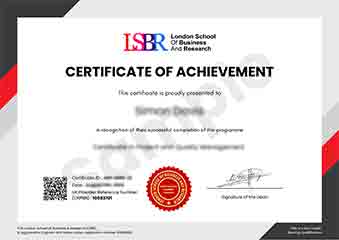
Sample Certificate
Preview the certificate you'll receive upon successful completion of this program.
Get Free Course Info
Enter your details and we'll send you a comprehensive course information pack straight to your inbox.
Employer Sponsored Training
Let your employer invest in your professional development. Request a corporate invoice and get your training funded.
Request Corporate InvoiceWhat People Say About Us
Hear from our students about their experience with the Executive Development Programme in Indigenous Language Revitalization Programs at LSBRX - Executive Education.
James Thompson
United Kingdom"The course provided in-depth material on various strategies for revitalizing indigenous languages, which has greatly enhanced my understanding and practical skills in this field. I now feel better equipped to contribute to language preservation projects and see clear career benefits in my future endeavors."
Kai Wen Ng
Singapore"The Executive Development Programme in Indigenous Language Revitalization Programs has significantly enhanced my understanding of cultural preservation and community engagement strategies, making me more effective in my role as a language revitalization coordinator. This program has provided me with practical tools and insights that are directly applicable in the field, opening up new opportunities for career growth and collaboration with indigenous communities."
Rahul Singh
India"The course structure was meticulously organized, providing a clear pathway for understanding the complexities of indigenous language revitalization. The comprehensive content not only deepened my knowledge but also offered valuable insights into practical strategies for real-world implementation."