
Executive Development Programme in Integrating Feedback in Design Process
This programme enhances leaders' ability to integrate feedback effectively, improving design processes and outcomes.
Executive Development Programme in Integrating Feedback in Design Process
Programme Overview
The Executive Development Programme in Integrating Feedback in Design Process is designed for senior executives and design leaders who are committed to enhancing their strategic approach to product development and innovation. This programme focuses on the critical role of feedback in the design process, equipping participants with the tools and insights necessary to foster a culture of continuous improvement and customer-centric design. Through an interdisciplinary curriculum, participants will learn how to effectively gather, analyze, and utilize feedback to drive product development, ensuring that their organizations remain competitive and responsive to market demands.
Key skills and knowledge developed during the programme include the ability to conduct structured feedback sessions, interpret qualitative and quantitative data, and integrate diverse stakeholder perspectives into the design process. Participants will also learn to leverage technology and design thinking methodologies to enhance the feedback loop, thereby improving the efficiency and effectiveness of their design teams. By the end of the programme, learners will be proficient in creating a feedback-driven design culture that can adapt to rapid changes and deliver high-quality products and services.
The career impact of this programme is significant, as participants will emerge with a deeper understanding of how to align design strategies with business objectives and customer needs. This knowledge can lead to enhanced innovation, improved customer satisfaction, and a competitive edge in the marketplace. Furthermore, the skills gained can contribute to the overall success of the organization by fostering a more agile and responsive design process that can quickly adapt to new challenges and opportunities.
What You'll Learn
The Executive Development Programme in Integrating Feedback in Design Process is tailored for design leaders and professionals who aim to enhance their ability to engage effectively with stakeholders and integrate feedback into their design processes. This program equips participants with advanced skills in qualitative and quantitative feedback analysis, user experience research, and cross-functional team collaboration. Through interactive case studies, group projects, and expert-led workshops, participants will learn to design more inclusive and responsive products.
Upon completion, graduates will be adept at leveraging feedback to drive innovation and improve user satisfaction. They will be able to lead design teams through the feedback cycle, fostering a culture of continuous improvement and user-centered design. The program also provides insights into leveraging data-driven methods and emerging technologies to enhance the feedback integration process.
Graduates of this program are well-prepared for leadership roles that require strategic thinking and innovative problem-solving. They can excel in executive design positions, design management, or user experience roles within various industries, including technology, healthcare, and consumer goods. The skills gained are highly sought after, opening doors to advanced career opportunities and enabling professionals to make significant contributions to their organizations.
Programme Highlights
Industry-Aligned Curriculum
Developed with industry leaders for job-ready skills valued by employers worldwide.
Globally Recognised Certificate
Recognised by employers across 180+ countries as a mark of professional excellence.
Flexible Online Learning
Study at your own pace with lifetime access to all course materials and updates.
Instant Access
Start learning immediately — no application process or waiting period required.
Constantly Updated Content
Stay ahead with the latest industry trends, best practices, and emerging insights.
Career Advancement
87% of graduates report measurable career progression within 6 months of completion.
Topics Covered
- 1. Introduction to Feedback Integration in Design: Learners will study the importance of feedback in the design process and explore foundational concepts such as user-centered design and iterative development. They will gain practical skills in identifying key stakeholders and understanding their roles in the feedback loop.
- 2. Conducting Effective User Research: This module covers techniques for gathering data from users, including interviews, surveys, and usability testing. Learners will develop skills in designing effective research studies to inform design decisions.
- 3. Analyzing User Feedback: Learners will learn how to analyze qualitative and quantitative data from user feedback to identify trends, patterns, and areas for improvement in design. They will gain skills in data visualization and interpretation.
- 4. Design Thinking and User Experience: This module introduces design thinking methodologies and user experience principles. Learners will understand how to apply these concepts to create user-centered designs that effectively integrate feedback.
- 5. Prototyping and Iteration: Learners will study various prototyping techniques and tools, including wireframes, mockups, and interactive prototypes. They will practice iterative design processes to refine and improve designs based on user feedback.
- 6. Implementing Feedback in Agile Projects: This module focuses on integrating feedback into agile development methodologies. Learners will learn how to use feedback effectively during sprints and retrospectives to enhance product development.
- 7. Advanced Techniques for Feedback Integration: Learners will explore advanced techniques for gathering and analyzing feedback, including A/B testing, usability heatmaps, and user journey mapping. They will gain skills in using these tools to optimize user experiences.
- 8. Leading Feedback Sessions: This module covers best practices for facilitating effective feedback sessions with cross-functional teams. Learners will develop skills in communication, negotiation, and conflict resolution to ensure productive feedback discussions.
- 9. Measuring Success and Impact: Learners will study methods for measuring the success and impact of feedback integration in design processes. They will learn how to use data to demonstrate the value of user-centered design and continuous improvement.
- 10. Developing a Feedback Culture: This module focuses on building a culture of continuous feedback and improvement within organizations. Learners will explore strategies for promoting a feedback-friendly environment and fostering a user-centric mindset.
What You Get When You Enroll
Secure checkout • Instant access • Certificate included
Key Facts
Audience: Designers, product managers, engineers
Prerequisites: Basic design experience, feedback mechanisms knowledge
Outcomes: Enhanced feedback integration, improved design quality, increased team collaboration
Ready to get started?
Join thousands of professionals who already took the next step. Enroll now and get instant access.
Enroll Now — $199Why This Course
Enhance Decision-Making: Participation in the Executive Development Programme in Integrating Feedback in Design Process equips professionals with advanced skills in analytical thinking and feedback integration. This program teaches methods for synthesizing complex feedback into actionable insights, improving the quality of design decisions and outcomes.
Boost Team Collaboration: The programme focuses on fostering a collaborative environment where feedback is not just a one-way communication but a two-way exchange. This enhances team dynamics and ensures that all voices are heard, leading to more inclusive and effective design processes.
Drive Innovation: By learning how to effectively integrate feedback, professionals can better understand user needs and market trends, driving innovation. The programme provides tools and methodologies that encourage creative thinking and adaptation, enabling professionals to develop more responsive and innovative solutions.
Career Advancement: Mastery in integrating feedback is a valuable asset in the job market, particularly for roles that require leadership and management. Graduates of this programme are better prepared to lead design teams, manage projects, and contribute to organizational strategy, opening up advanced career opportunities.
Your Path to Certification
Trusted by Professionals Worldwide
Course Brochure
Download our comprehensive course brochure with all details
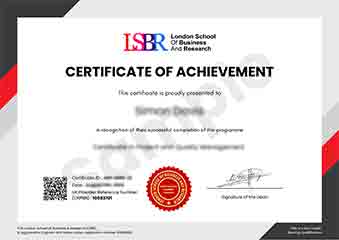
Sample Certificate
Preview the certificate you'll receive upon successful completion of this program.
Get Free Course Info
Enter your details and we'll send you a comprehensive course information pack straight to your inbox.
Employer Sponsored Training
Let your employer invest in your professional development. Request a corporate invoice and get your training funded.
Request Corporate InvoiceWhat People Say About Us
Hear from our students about their experience with the Executive Development Programme in Integrating Feedback in Design Process at LSBRX - Executive Education.
Oliver Davies
United Kingdom"The course provided deep insights into the integration of feedback in the design process, equipping me with practical tools to enhance my design projects. It has significantly improved my ability to collaborate effectively and refine designs based on constructive feedback, which is invaluable for my career."
Zoe Williams
Australia"This course has significantly enhanced my ability to integrate feedback effectively, making my designs more robust and aligned with user needs. It has directly contributed to my career advancement by improving my project outcomes and client satisfaction in the design industry."
Siti Abdullah
Malaysia"The course structure was meticulously organized, seamlessly blending theoretical concepts with practical examples, which significantly enhanced my understanding of integrating feedback in the design process. It provided a wealth of knowledge that has already translated into tangible improvements in my professional projects."