
Executive Development Programme in Intelligent Language Instruction Methods
This programme equips executives with advanced language instruction techniques, enhancing communication and leadership skills in the digital age.
Executive Development Programme in Intelligent Language Instruction Methods
Programme Overview
The Executive Development Programme in Intelligent Language Instruction Methods is designed for senior educators, university administrators, and industry leaders seeking to enhance their expertise in leveraging technology to improve language instruction. This program focuses on integrating advanced technologies such as artificial intelligence, machine learning, and natural language processing into educational practices, equipping participants with the skills to design, implement, and evaluate intelligent language learning systems.
Participants will develop key skills in technology integration, data analytics for educational improvement, and pedagogical innovation. They will learn to analyze and interpret data to inform instructional strategies, design personalized learning experiences using AI tools, and foster digital literacy among students. The program also emphasizes leadership in digital transformation, encouraging participants to lead their institutions or departments towards more effective and equitable language instruction.
This programme has a significant impact on participants' careers, positioning them as leaders in the field of intelligent language instruction. Graduates will be well-equipped to drive innovation, enhance student outcomes, and lead their institutions or departments through the digital education revolution. They will be adept at designing and implementing cutting-edge language learning systems, fostering a learning environment that embraces technology and personalizes instruction to meet diverse student needs.
What You'll Learn
The Executive Development Programme in Intelligent Language Instruction Methods is designed for educators and leaders in the field of language instruction seeking to transform their teaching practices through cutting-edge technology. This program equips participants with the latest methodologies and tools in intelligent language instruction, focusing on data analytics, adaptive learning technologies, and personalized pedagogy. Participants will gain hands-on experience with advanced language learning platforms and will learn how to integrate these technologies into their existing curricula to enhance student engagement and outcomes.
By participating in this program, graduates will be able to design and implement effective, data-driven language instruction strategies that cater to diverse learner needs. They will also develop proficiency in using analytics to assess learner progress and tailor instruction accordingly. Graduates can apply these skills in a variety of settings, including K-education, higher education, corporate training, and language tutoring services. The program's alumni will be well-positioned to lead innovative initiatives in language education and to advocate for the integration of technology in language instruction.
This program opens doors to a range of career opportunities, including instructional designer, language program director, technology integration specialist, and educational technologist. Graduates will be ready to excel in roles that require a deep understanding of both language instruction and the latest technological advancements, ensuring they remain at the forefront of educational innovation.
Programme Highlights
Industry-Aligned Curriculum
Developed with industry leaders for job-ready skills valued by employers worldwide.
Globally Recognised Certificate
Recognised by employers across 180+ countries as a mark of professional excellence.
Flexible Online Learning
Study at your own pace with lifetime access to all course materials and updates.
Instant Access
Start learning immediately — no application process or waiting period required.
Constantly Updated Content
Stay ahead with the latest industry trends, best practices, and emerging insights.
Career Advancement
87% of graduates report measurable career progression within 6 months of completion.
Topics Covered
- 1. Foundations of Intelligent Language Instruction: Learners will explore the basics of language instruction and the integration of intelligent technologies. They will gain foundational knowledge in language pedagogy and an understanding of how AI can enhance teaching methods.
- 2. Machine Learning for Language Instruction: This module delves into the application of machine learning algorithms in language education. Learners will develop skills in using machine learning tools to tailor instruction to individual student needs.
- 3. Natural Language Processing in Education: Focusing on NLP techniques, this module teaches learners how to use NLP for language analysis and understanding in educational settings. Practical skills include developing NLP applications for language learning.
- 4. Intelligent Tutoring Systems: Learners will study the design and implementation of intelligent tutoring systems that provide personalized learning experiences. They will gain experience in creating and evaluating effective tutoring systems.
- 5. Data Analytics for Language Instruction: This module covers data analytics techniques to assess and improve language instruction. Learners will learn to analyze large datasets to identify patterns and inform instructional strategies.
- 6. Ethical Considerations in Intelligent Language Instruction: This module examines the ethical implications of using intelligent technologies in language education. Learners will develop a framework for ethical practice and decision-making.
- 7. Advanced Intelligent Language Instruction Methods: Building on previous modules, this advanced module explores cutting-edge methods in intelligent language instruction. Learners will engage in research and development of new instructional technologies.
- 8. Deployment and Scaling of Intelligent Instructional Systems: Focusing on practical application, this module teaches learners how to deploy and scale intelligent instructional systems in real-world educational settings. Practical skills include system integration and user interface design.
- 9. Continuous Improvement in Intelligent Language Instruction: This module covers strategies for continuous improvement in intelligent language instruction. Learners will learn how to gather feedback, iterate on instructional methods, and stay current with technological advancements.
- 10. Leadership in Intelligent Language Instruction: The final module focuses on leadership skills needed to manage and lead projects involving intelligent language instruction. Learners will develop skills in project management, team leadership, and strategic planning.
What You Get When You Enroll
Secure checkout • Instant access • Certificate included
Key Facts
Target Audience: Educators, instructional designers
Prerequisites: Basic teaching experience, interest in AI
Outcomes: Enhanced pedagogical skills, AI integration expertise, improved student engagement
Ready to get started?
Join thousands of professionals who already took the next step. Enroll now and get instant access.
Enroll Now — $199Why This Course
Enhanced Leadership Skills: Participating in an Executive Development Programme in Intelligent Language Instruction Methods can significantly improve leadership capabilities. The program provides insights into managing diverse teams, leveraging technology, and fostering innovation, which are essential for leading language instruction initiatives effectively.
Technological Proficiency: This program equips professionals with the latest tools and technologies used in language instruction. Participants gain hands-on experience with intelligent software and platforms, enhancing their ability to implement digital solutions that improve learning outcomes and engagement.
Adaptability and Flexibility: With the rapid evolution of technology and teaching methods, the program helps professionals adapt to changing educational landscapes. By learning about emerging trends and best practices, participants can stay ahead of the curve and deliver more effective language instruction.
Strategic Planning and Implementation: The program focuses on developing strategic planning skills, enabling professionals to design and implement comprehensive language instruction programs that align with organizational goals. This skill set is crucial for driving successful initiatives that support both educational and business objectives.
Your Path to Certification
Trusted by Professionals Worldwide
Course Brochure
Download our comprehensive course brochure with all details
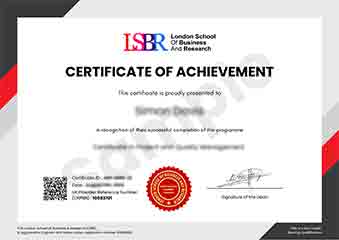
Sample Certificate
Preview the certificate you'll receive upon successful completion of this program.
Get Free Course Info
Enter your details and we'll send you a comprehensive course information pack straight to your inbox.
Employer Sponsored Training
Let your employer invest in your professional development. Request a corporate invoice and get your training funded.
Request Corporate InvoiceWhat People Say About Us
Hear from our students about their experience with the Executive Development Programme in Intelligent Language Instruction Methods at LSBRX - Executive Education.
Charlotte Williams
United Kingdom"The course provided high-quality material that deeply enhanced my understanding of intelligent language instruction methods, equipping me with practical skills to implement in real-world scenarios, which I believe will significantly boost my career prospects in educational technology."
Siti Abdullah
Malaysia"The Executive Development Programme in Intelligent Language Instruction Methods has significantly enhanced my ability to implement cutting-edge language learning technologies in my organization, making our training programs more effective and engaging. This course has not only deepened my understanding of intelligent language instruction but also provided me with practical tools to drive career advancement and industry relevance."
Ryan MacLeod
Canada"The course structure is meticulously organized, providing a seamless transition from theoretical concepts to practical applications in intelligent language instruction, which has significantly enhanced my understanding and approach to professional development in this field."