
Executive Development Programme in Load Balancing Techniques for Enhanced Test Capacity
This programme enhances executive skills in load balancing techniques to significantly boost test capacity and efficiency.
Executive Development Programme in Load Balancing Techniques for Enhanced Test Capacity
Programme Overview
The Executive Development Programme in Load Balancing Techniques for Enhanced Test Capacity is tailored for senior test engineers, quality assurance managers, and technical leads responsible for managing and optimizing test environments in large-scale software development projects. This comprehensive programme equips participants with advanced load balancing techniques essential for enhancing test capacity, ensuring robust and efficient testing environments that meet stringent performance and reliability standards.
Participants will develop a deep understanding of various load balancing algorithms and architectures, including distributed load balancing, session affinity, and failover mechanisms. They will learn to implement load balancing strategies using modern tools and technologies such as Kubernetes, NGINX, and AWS Application Load Balancers. The programme also emphasizes the importance of monitoring and logging for load balancers to proactively identify and mitigate performance bottlenecks. Upon completion, learners will be adept at optimizing test environments to handle high traffic volumes and will be able to make data-driven decisions to enhance the overall efficiency and reliability of their testing processes.
This programme significantly impacts career progression by positioning participants as key technical leaders capable of driving efficiency and scalability in their organizations. Graduates will be well-prepared to lead complex load balancing initiatives, enhance team performance, and contribute to the continuous improvement of test infrastructure. The acquired skills will enable them to take on more strategic roles and lead innovation in load balancing and performance testing.
What You'll Learn
The Executive Development Programme in Load Balancing Techniques for Enhanced Test Capacity is a comprehensive, month initiative designed to equip professionals with the advanced skills needed to optimize load balancing strategies in complex, high-capacity testing environments. This program is ideal for executives, project managers, and technical leaders who are looking to drive innovation and efficiency in their organizations.
Key topics include advanced load balancing methodologies,????????????,??????????,?????????????????Participants will learn to implement load balancing solutions that not only enhance test capacity but also improve system reliability and reduce downtime. The curriculum is delivered through a combination of interactive workshops, case studies, and hands-on labs, ensuring deep understanding and practical application of the concepts.
Graduates of this program will be well-positioned to lead and optimize load balancing initiatives, contributing to more robust and scalable testing frameworks. They will be able to apply their knowledge to real-world scenarios, such as enhancing the performance of cloud-based applications, optimizing network traffic, and improving user experience. The program also opens doors to advanced career opportunities in cloud computing, DevOps, and IT management, with a focus on driving technological innovation and business growth.
Programme Highlights
Industry-Aligned Curriculum
Developed with industry leaders for job-ready skills valued by employers worldwide.
Globally Recognised Certificate
Recognised by employers across 180+ countries as a mark of professional excellence.
Flexible Online Learning
Study at your own pace with lifetime access to all course materials and updates.
Instant Access
Start learning immediately — no application process or waiting period required.
Constantly Updated Content
Stay ahead with the latest industry trends, best practices, and emerging insights.
Career Advancement
87% of graduates report measurable career progression within 6 months of completion.
Topics Covered
- 1. Introduction to Load Balancing: Learners will study the basics of load balancing, including its importance and types. They will gain foundational knowledge of how load balancers distribute traffic and the benefits of using them.
- 2. Load Balancing Algorithms: This module will cover various load balancing algorithms and their implementation. Learners will understand how different algorithms affect performance and choose the best one for specific use cases.
- 3. Load Balancing Hardware and Software: Learners will explore the different hardware and software options available for load balancing. They will gain practical skills in setting up and configuring load balancers.
- 4. Advanced Load Balancing Techniques: This module will delve into advanced load balancing techniques such as session persistence, health checks, and failover. Learners will learn how to implement these techniques to enhance system reliability and performance.
- 5. Load Balancing with Cloud Services: Learners will study load balancing in cloud environments, focusing on popular cloud services and their load balancing capabilities. Practical skills in configuring and managing load balancers in the cloud will be developed.
- 6. Security Best Practices for Load Balancers: This module will cover security considerations and best practices for load balancers. Learners will learn how to secure load balancers against common threats and vulnerabilities.
- 7. Performance Optimization Techniques: Learners will learn how to optimize load balancers for performance, including techniques for reducing latency and improving throughput. Practical skills in fine-tuning load balancers will be developed.
- 8. Load Balancing in Microservices Architectures: This module will focus on load balancing in microservices environments. Learners will understand how load balancers can be used to manage traffic in complex microservices architectures.
- 9. Monitoring and Troubleshooting Load Balancers: Learners will study how to monitor load balancers and troubleshoot common issues. They will gain practical skills in using monitoring tools and techniques to ensure optimal performance.
- 10. Future Trends in Load Balancing: This final module will explore emerging trends and technologies in load balancing, such as AI-driven load balancing and distributed load balancing. Learners will gain insights into future developments in the field.
What You Get When You Enroll
Secure checkout • Instant access • Certificate included
Key Facts
Audience: IT professionals, test engineers
Prerequisites: Basic understanding of networking, testing
Outcomes: Master load balancing, enhance test capacity, improve test efficiency
Ready to get started?
Join thousands of professionals who already took the next step. Enroll now and get instant access.
Enroll Now — $199Why This Course
Enhanced Efficiency and Competence: Participating in an Executive Development Programme in Load Balancing Techniques for Enhanced Test Capacity can significantly boost one's expertise in managing and optimizing test environments. This program equips professionals with advanced load balancing strategies, enabling them to improve the scalability and responsiveness of applications under high traffic conditions. As a result, they can more effectively handle increased test loads, ensuring that testing processes are both efficient and robust.
Marketability and Career Advancement: The skills gained from this program are highly valued in the tech industry, making professionals more competitive in the job market. Employers seek individuals who can implement and manage load balancing techniques to optimize resource utilization and improve application performance. By acquiring these skills, professionals can enhance their resumes, making them more attractive to potential employers and paving the way for career advancement.
Improved Problem-Solving Capabilities: The program focuses on developing a deep understanding of load balancing principles, which are crucial for addressing complex issues in testing and deployment. Participants learn to diagnose and resolve performance bottlenecks, a critical skill that can lead to more innovative and effective solutions. This not only improves the quality of test capacity but also fosters a problem-solving mindset that is beneficial across various aspects of professional life.
Your Path to Certification
Trusted by Professionals Worldwide
Course Brochure
Download our comprehensive course brochure with all details
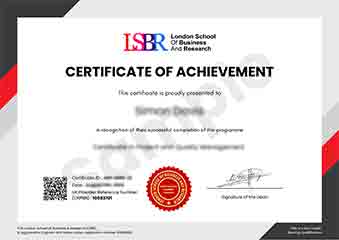
Sample Certificate
Preview the certificate you'll receive upon successful completion of this program.
Get Free Course Info
Enter your details and we'll send you a comprehensive course information pack straight to your inbox.
Employer Sponsored Training
Let your employer invest in your professional development. Request a corporate invoice and get your training funded.
Request Corporate InvoiceWhat People Say About Us
Hear from our students about their experience with the Executive Development Programme in Load Balancing Techniques for Enhanced Test Capacity at LSBRX - Executive Education.
Sophie Brown
United Kingdom"The course provided in-depth material on load balancing techniques, which significantly enhanced my understanding of how to optimize test capacity in large-scale systems. I gained practical skills that I can directly apply to improve the performance and reliability of my projects, making a noticeable impact on my career."
Emma Tremblay
Canada"This course has significantly enhanced my understanding of load balancing techniques, making me more competitive in the job market. The practical applications I learned have already helped me optimize our company’s test environments, leading to improved efficiency and cost savings."
Priya Sharma
India"The course structure was meticulously organized, providing a clear progression from fundamental concepts to advanced load balancing techniques, which greatly enhanced my understanding and practical application skills. The comprehensive content not only covered theoretical aspects but also delved into real-world scenarios, significantly boosting my ability to handle complex test capacity challenges in a professional setting."