
Executive Development Programme in Maximizing Cooling System Energy Efficiency
This programme enhances executive skills in maximizing cooling system energy efficiency, reducing costs and environmental impact.
Executive Development Programme in Maximizing Cooling System Energy Efficiency
Programme Overview
The Executive Development Programme in Maximizing Cooling System Energy Efficiency is designed for senior executives and technical leaders in the HVAC and industrial sectors who are responsible for optimizing energy efficiency and sustainability within their organizations. This program provides a comprehensive understanding of the latest technologies, strategies, and best practices in cooling system energy efficiency, enabling participants to make informed decisions and drive significant improvements in their operations.
Participants will develop a robust set of skills and knowledge, including the ability to analyze and interpret energy data, implement energy-saving measures, and integrate renewable energy sources into cooling systems. They will also gain expertise in policy and regulatory frameworks that impact energy efficiency, project management skills for energy efficiency projects, and leadership competencies to engage and lead cross-functional teams in achieving energy reduction goals.
The program will have a profound impact on participants' careers, equipping them with the tools and insight to optimize energy usage, reduce operational costs, and enhance the environmental sustainability of their organizations. Graduates of this program will be well-prepared to take on more complex leadership roles, and their efforts in energy efficiency will contribute to broader environmental goals, positioning their organizations as leaders in sustainable business practices.
What You'll Learn
The Executive Development Programme in Maximizing Cooling System Energy Efficiency is a comprehensive, expert-led initiative designed to empower business leaders with the knowledge and practical skills needed to optimize energy usage in their operations. This program focuses on advanced techniques and technologies that enhance the efficiency of cooling systems, reducing energy consumption and environmental impact while driving cost savings.
Key topics include the latest in HVAC technology, energy management strategies, and sustainable practices. Participants learn to design, implement, and maintain efficient cooling systems, leveraging data analytics and smart technologies to predict and mitigate energy waste. By understanding the economic and environmental benefits of improved efficiency, graduates are equipped to lead their organizations towards sustainable development.
Upon completion, participants can apply these skills to improve the energy efficiency of cooling systems in their workplaces, contributing to significant reductions in operational costs and carbon footprints. Graduates are well-prepared to assume leadership roles in energy management, sustainability, and environmental initiatives. They also have the opportunity to pursue specialized certifications that enhance their professional profiles and open doors to advanced positions in both industry and consultancy.
Programme Highlights
Industry-Aligned Curriculum
Developed with industry leaders for job-ready skills valued by employers worldwide.
Globally Recognised Certificate
Recognised by employers across 180+ countries as a mark of professional excellence.
Flexible Online Learning
Study at your own pace with lifetime access to all course materials and updates.
Instant Access
Start learning immediately — no application process or waiting period required.
Constantly Updated Content
Stay ahead with the latest industry trends, best practices, and emerging insights.
Career Advancement
87% of graduates report measurable career progression within 6 months of completion.
Topics Covered
- 1. Introduction to Energy Efficiency in Cooling Systems: Learners will study the basics of energy efficiency in cooling systems, including key terminology and foundational concepts. They will gain practical skills in assessing the current efficiency of cooling systems and identifying areas for improvement.
- 2. Understanding Cooling System Components and Their Role in Efficiency: This module covers the detailed function of each component in a cooling system and how they contribute to overall energy efficiency. Learners will develop skills in diagnosing common issues and implementing simple repairs to enhance system performance.
- 3. Energy Management Strategies for Cooling Systems: Learners will explore various strategies for managing energy use in cooling systems, focusing on practical implementation and cost-effectiveness. They will gain skills in designing and executing energy management plans that reduce overall energy consumption.
- 4. Advanced Cooling System Technologies: This module delves into the latest technologies and innovations in cooling systems, such as heat recovery systems and variable speed drives. Learners will learn to evaluate and select appropriate technologies for different applications.
- 5. Optimization of Cooling System Performance: The focus here is on advanced techniques for optimizing cooling system performance, including load management and advanced controls. Learners will develop skills in applying these techniques to maximize efficiency and reduce energy waste.
- 6. Environmental Impact of Cooling Systems: This module examines the environmental impact of cooling systems, including greenhouse gas emissions and resource consumption. Learners will gain knowledge in sustainable practices and how to minimize the carbon footprint of cooling systems.
- 7. Regulatory Compliance and Energy Standards: Learners will study the relevant regulations and energy standards governing cooling systems, such as ASHRAE guidelines. They will learn how to ensure compliance and understand the implications of non-compliance.
- 8. Case Studies in Maximizing Cooling System Energy Efficiency: Through real-world case studies, learners will analyze successful implementations of energy efficiency measures in cooling systems. They will gain practical insights into overcoming challenges and achieving significant energy savings.
- 9. Leadership in Energy Efficiency Initiatives: This module focuses on the role of leadership in driving energy efficiency initiatives within organizations. Learners will develop skills in communicating the benefits of energy efficiency and leading teams towards sustainable goals.
- 10. Continuous Improvement in Cooling System Efficiency: The final module covers strategies for continuous improvement in cooling system efficiency, including performance monitoring, data analysis, and feedback loops. Learners will gain skills in establishing systems for ongoing optimization and improvement.
What You Get When You Enroll
Secure checkout • Instant access • Certificate included
Key Facts
Audience: Mid-to-senior level facility managers
Prerequisites: Basic understanding of HVAC systems
Outcomes: Enhanced knowledge in energy efficiency techniques
Outcomes: Improved cooling system performance
Outcomes: Reduced operational costs
Ready to get started?
Join thousands of professionals who already took the next step. Enroll now and get instant access.
Enroll Now — $199Why This Course
Enhance Energy Efficiency Skills: Participating in the 'Executive Development Programme in Maximizing Cooling System Energy Efficiency' equips professionals with advanced knowledge and practical skills in optimizing cooling systems. This expertise is crucial as it enables them to implement energy-efficient strategies, reduce operational costs, and contribute to sustainability goals.
Boost Career Advancement: The program not only provides theoretical insights but also offers hands-on experience through case studies and expert-led sessions. Professionals can apply these learnings to improve their job performance, making them more valuable to their organizations and positioning them for leadership roles.
Network with Industry Leaders: The program facilitates the opportunity to connect with industry experts, peers, and key stakeholders. These networks can be invaluable for sharing best practices, exploring collaborative opportunities, and staying abreast of the latest trends and innovations in energy efficiency.
Drive Business Value: By mastering the techniques to maximize cooling system energy efficiency, professionals can contribute significantly to their organization’s bottom line by reducing energy consumption and costs. This skill set is highly sought after in the current market, making it a strategic addition to any professional’s skill set.
Your Path to Certification
Trusted by Professionals Worldwide
Course Brochure
Download our comprehensive course brochure with all details
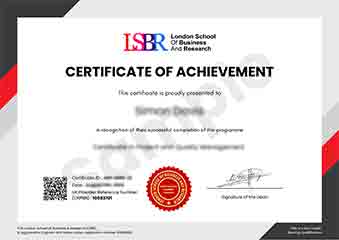
Sample Certificate
Preview the certificate you'll receive upon successful completion of this program.
Get Free Course Info
Enter your details and we'll send you a comprehensive course information pack straight to your inbox.
Employer Sponsored Training
Let your employer invest in your professional development. Request a corporate invoice and get your training funded.
Request Corporate InvoiceWhat People Say About Us
Hear from our students about their experience with the Executive Development Programme in Maximizing Cooling System Energy Efficiency at LSBRX - Executive Education.
James Thompson
United Kingdom"The course provided in-depth, practical knowledge on optimizing cooling systems, equipping me with valuable skills to enhance energy efficiency in real-world scenarios. It has significantly boosted my career prospects by offering actionable insights and advanced strategies for energy management."
Sophie Brown
United Kingdom"This course has significantly enhanced my ability to optimize cooling systems, making my work more efficient and cost-effective. It has directly contributed to my recent promotion to a senior engineering role where I can implement these strategies to reduce energy consumption and improve our company's sustainability efforts."
Arjun Patel
India"The course structure was meticulously organized, providing a clear path from foundational concepts to advanced strategies for optimizing cooling systems, which greatly enhanced my understanding and practical application skills in energy efficiency. The comprehensive content and real-world case studies were particularly beneficial for my professional growth, offering valuable insights into improving energy efficiency in various industrial settings."