
Executive Development Programme in Molecular Diagnostics and Techniques
This programme enhances leadership skills in molecular diagnostics, equipping executives with advanced techniques and industry insights for strategic decision-making.
Executive Development Programme in Molecular Diagnostics and Techniques
Programme Overview
The Executive Development Programme in Molecular Diagnostics and Techniques is an advanced professional development program tailored for healthcare executives, medical directors, and laboratory managers seeking to enhance their expertise in the rapidly evolving field of molecular diagnostics. This program is designed to provide comprehensive insights into the latest molecular techniques, technologies, and regulatory landscapes, ensuring that participants are well-equipped to lead their organizations in developing and implementing innovative diagnostic solutions.
Participants will develop a deep understanding of molecular biology principles, including gene expression, genome editing, and next-generation sequencing. They will also gain proficiency in managing complex diagnostic workflows, ensuring quality control, and interpreting data to inform clinical decisions. Leadership skills, such as strategic planning, change management, and stakeholder engagement, will be enhanced through interactive case studies and peer discussions, preparing participants to navigate the challenges and opportunities in the molecular diagnostics industry.
The career impact of this program is significant, as it equips executives with the knowledge and skills necessary to drive innovation, improve patient outcomes, and maintain regulatory compliance. Graduates of this program are well-positioned to lead their organizations in developing cutting-edge diagnostics, enhancing clinical services, and contributing to the broader healthcare landscape.
What You'll Learn
The Executive Development Programme in Molecular Diagnostics and Techniques is a comprehensive, industry-driven curriculum designed for professionals seeking to advance their expertise in the rapidly evolving field of molecular diagnostics. This program equips participants with the latest knowledge and practical skills in molecular biology techniques, including PCR, next-generation sequencing, and genetic testing. Through interactive workshops, case studies, and hands-on laboratory sessions, you will gain a deep understanding of molecular diagnostic methodologies and their applications in healthcare, research, and biotechnology.
By mastering advanced diagnostics techniques, program graduates are well-prepared to lead innovation in clinical diagnostics, develop new testing methods, and contribute to personalized medicine initiatives. The program also emphasizes ethical considerations, regulatory compliance, and quality management in molecular diagnostics, ensuring that graduates are not only technically proficient but also ethically sound in their professional practice.
This program opens doors to diverse career paths, including roles in medical research, biotech companies, pharmaceutical firms, and regulatory bodies. Graduates can pursue leadership positions in diagnostic laboratories, research and development, or clinical trials, or continue their education in specialized doctoral programs. The Executive Development Programme in Molecular Diagnostics and Techniques is your gateway to shaping the future of healthcare through cutting-edge molecular diagnostics.
Programme Highlights
Industry-Aligned Curriculum
Developed with industry leaders for job-ready skills valued by employers worldwide.
Globally Recognised Certificate
Recognised by employers across 180+ countries as a mark of professional excellence.
Flexible Online Learning
Study at your own pace with lifetime access to all course materials and updates.
Instant Access
Start learning immediately — no application process or waiting period required.
Constantly Updated Content
Stay ahead with the latest industry trends, best practices, and emerging insights.
Career Advancement
87% of graduates report measurable career progression within 6 months of completion.
Topics Covered
- 1. Introduction to Molecular Diagnostics: Learners will study the basic principles of molecular diagnostics, including nucleic acid biology and polymerase chain reaction (PCR) techniques. They will gain foundational skills in sample preparation and handling.
- 2. Fundamentals of Genetic Testing: This module covers the principles and applications of genetic testing, including single nucleotide polymorphisms (SNPs), copy number variations (CNVs), and next-generation sequencing (NGS). Learners will practice data interpretation and report writing for genetic test results.
- 3. Principles of PCR and Real-Time PCR: Learners will explore the mechanisms and applications of PCR technologies, including real-time quantitative PCR (qPCR) for gene expression analysis and pathogen detection. Practical skills include setting up and optimizing PCR reactions.
- 4. Advanced Techniques in Molecular Diagnostics: This module delves into advanced molecular diagnostic techniques such as digital PCR, single cell analysis, and multiplex PCR. Learners will apply these techniques to solve complex diagnostic challenges.
- 5. Molecular Diagnostics in Clinical Settings: Learners will study the integration of molecular diagnostics in clinical practice, focusing on diagnostic algorithms and decision-making processes. Practical skills include interpreting diagnostic test results in clinical scenarios.
- 6. Regulatory and Ethical Considerations in Molecular Diagnostics: This module covers regulatory frameworks and ethical issues related to molecular diagnostics, including patient consent, data privacy, and quality control. Learners will develop skills in navigating these regulatory and ethical landscapes.
- 7. Molecular Diagnostics in Infectious Diseases: Learners will examine the role of molecular diagnostics in the diagnosis and management of infectious diseases, including viral and bacterial infections. Practical skills include using molecular diagnostic assays for pathogen identification and antibiotic resistance testing.
- 8. Cancer Diagnostics and Personalized Medicine: This module focuses on the application of molecular diagnostics in cancer diagnostics and personalized medicine. Learners will study molecular markers for cancer diagnosis and treatment, and practical skills include analyzing molecular data for predictive and therapeutic decision-making.
- 9. Molecular Diagnostics in Genomic Medicine: Learners will explore the use of molecular diagnostics in genomic medicine, including whole-exome and whole-genome sequencing. Practical skills include analyzing genomic data and understanding the implications for patient care.
- 10. Innovations and Future Trends in Molecular Diagnostics: This module covers emerging technologies and future trends in molecular diagnostics, including point-of-care diagnostics and liquid biopsies. Learners will identify opportunities for innovation and contribute to the development of new diagnostic tools.
What You Get When You Enroll
Secure checkout • Instant access • Certificate included
Key Facts
For medical professionals, lab technicians, and researchers
No specific prerequisites required
Enhances knowledge in molecular diagnostics
Develops skills in advanced diagnostic techniques
Improves understanding of genetic testing applications
Ready to get started?
Join thousands of professionals who already took the next step. Enroll now and get instant access.
Enroll Now — $199Why This Course
Enhanced Expertise and Knowledge: The Executive Development Programme in Molecular Diagnostics and Techniques offers professionals a deep dive into advanced molecular diagnostic tools and techniques. This comprehensive knowledge can significantly enhance their analytical skills, enabling them to stay ahead in a rapidly evolving field, where precision and speed are critical.
Career Advancement Opportunities: Participating in this programme can open doors to higher leadership roles in healthcare, biotech, and pharmaceutical industries. The programme equips professionals with the strategic insights and practical skills needed to drive innovation and lead successful projects, making them attractive candidates for managerial and executive positions.
Networking and Collaboration: The programme provides a platform for professionals to network with industry leaders, researchers, and peers. These connections can lead to collaborative opportunities, research partnerships, and joint ventures, which are essential for career growth and innovation in molecular diagnostics.
Adaptability and Competitiveness: By acquiring hands-on experience with cutting-edge technologies and methodologies, professionals can better adapt to new challenges and trends in molecular diagnostics. This adaptability ensures they remain competitive in the job market, as employers increasingly seek individuals with a blend of technical expertise and strategic foresight.
Your Path to Certification
Trusted by Professionals Worldwide
Course Brochure
Download our comprehensive course brochure with all details
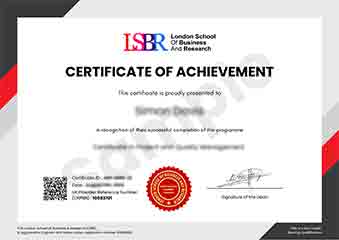
Sample Certificate
Preview the certificate you'll receive upon successful completion of this program.
Get Free Course Info
Enter your details and we'll send you a comprehensive course information pack straight to your inbox.
Employer Sponsored Training
Let your employer invest in your professional development. Request a corporate invoice and get your training funded.
Request Corporate InvoiceWhat People Say About Us
Hear from our students about their experience with the Executive Development Programme in Molecular Diagnostics and Techniques at LSBRX - Executive Education.
Charlotte Williams
United Kingdom"The course content was incredibly comprehensive, providing deep insights into molecular diagnostics and techniques that have direct applicability in real-world scenarios. Gaining hands-on experience with the latest technologies significantly enhanced my practical skills, making me more competitive in the job market."
Ahmad Rahman
Malaysia"The Executive Development Programme in Molecular Diagnostics and Techniques has significantly enhanced my understanding of the latest technologies and their applications in the field. This knowledge has been instrumental in advancing my career, opening up new opportunities in research and development."
Rahul Singh
India"The course structure was meticulously organized, providing a clear pathway for understanding complex molecular diagnostics and techniques, which significantly enhanced my knowledge and prepared me for real-world applications in the field. It offered a comprehensive overview that fostered substantial professional growth."