
Executive Development Programme in Nutrient Toxicity Case Studies
This programme equips executives with insights into nutrient toxicity case studies, enhancing decision-making and risk management in nutritional health.
Executive Development Programme in Nutrient Toxicity Case Studies
Programme Overview
The Executive Development Programme in Nutrient Toxicity Case Studies is designed for senior-level professionals in the health, nutrition, and pharmaceutical industries, including managers, researchers, and policy-makers. This program delves into the complexities of nutrient toxicity, integrating theoretical knowledge with practical case studies to provide a comprehensive understanding of the subject matter. Participants will explore the biochemical mechanisms behind nutrient toxicity, the latest research findings, and the regulatory frameworks governing nutrient safety.
Key skills and knowledge developed in this program include advanced analytical capabilities for assessing nutrient toxicity risks, the ability to apply epidemiological and clinical research methodologies, and proficiency in developing and implementing strategies to mitigate nutrient toxicity in various populations. Learners will also gain expertise in communicating the implications of nutrient toxicity findings to stakeholders, including regulatory bodies, healthcare providers, and the public.
This programme significantly impacts careers by equipping participants with the advanced skills necessary to lead initiatives aimed at improving public health through informed nutrient management. Graduates will be well-prepared to navigate the evolving landscape of nutrient safety, contribute to policy development, and ensure the health and well-being of diverse populations.
What You'll Learn
The Executive Development Programme in Nutrient Toxicity Case Studies is a comprehensive initiative designed for professionals in the health sciences, food safety, and environmental health sectors. This program equips participants with advanced knowledge and practical skills in identifying, assessing, and managing nutrient toxicity risks. Through a series of interactive workshops and case studies, participants will delve into the complexities of nutrient toxicity, understanding the mechanisms behind various nutrient-related health issues and learning to apply evidence-based strategies to mitigate these risks.
Key topics include the biochemical basis of nutrient toxicity, regulatory frameworks, and case studies from real-world scenarios. Participants will gain insights into cutting-edge research and global trends in nutrient safety, enhancing their ability to make informed decisions and contribute to public health initiatives.
Upon completion, graduates will be well-prepared to lead initiatives that ensure food and environmental safety, develop policies, and implement strategies to reduce nutrient toxicity risks. The program also provides networking opportunities with industry leaders and peers, facilitating collaboration on complex projects and fostering a community of experts committed to enhancing public health.
Graduates of this program are well-suited for roles in regulatory bodies, research institutions, governmental agencies, and private sector companies. They can pursue careers as nutritionists, toxicologists, regulatory affairs officers, or public health specialists, making significant contributions to the field and safeguarding public health.
Programme Highlights
Industry-Aligned Curriculum
Developed with industry leaders for job-ready skills valued by employers worldwide.
Globally Recognised Certificate
Recognised by employers across 180+ countries as a mark of professional excellence.
Flexible Online Learning
Study at your own pace with lifetime access to all course materials and updates.
Instant Access
Start learning immediately — no application process or waiting period required.
Constantly Updated Content
Stay ahead with the latest industry trends, best practices, and emerging insights.
Career Advancement
87% of graduates report measurable career progression within 6 months of completion.
Topics Covered
- 1. Fundamentals of Nutrient Metabolism: Learners will explore basic metabolic pathways and the roles of key nutrients. They will gain foundational knowledge in nutrient absorption, transport, and utilization, essential for understanding nutrient toxicity.
- 2. Essential Nutrients and Their Toxicities: This module covers the essential nutrients and their potential for toxicity, including signs, symptoms, and mechanisms of toxicity. Learners will identify different types of nutrient toxicity and understand the physiological basis for toxicity.
- 3. Toxicological Mechanisms of Nutrient Overload: Learners will delve into the molecular and cellular mechanisms by which nutrient overload leads to toxicity, including oxidative stress, mitochondrial dysfunction, and genotoxicity. Practical skills include analyzing case studies to identify toxic mechanisms.
- 4. Nutrient Toxicity Case Studies: Analysis and Interpretation: Through in-depth case studies, learners will analyze real-world scenarios of nutrient toxicity, interpret symptoms, and propose treatment strategies. This module enhances analytical and problem-solving skills in clinical settings.
- 5. Environmental Factors and Nutrient Toxicity: This module examines how environmental factors influence nutrient metabolism and toxicity. Learners will understand the impact of pollution, industrial chemicals, and other environmental exposures on nutrient balance and health.
- 6. Nutrient-Drug Interactions and Toxicity: Learners will study the interactions between nutrients and pharmaceuticals that can lead to toxicity. They will learn to predict and manage nutrient-drug interactions in patients to prevent adverse effects.
- 7. Nutrient Toxicity in Special Populations: This module focuses on nutrient toxicity in vulnerable populations, including children, pregnant women, and the elderly. Learners will develop specialized knowledge and skills in managing nutrient toxicity in these groups.
- 8. Advanced Therapeutic Approaches for Nutrient Toxicity: Learners will explore advanced therapeutic interventions for managing nutrient toxicity, such as chelation therapy, pharmacological treatments, and nutritional support. This module prepares learners to implement evidence-based treatments.
- 9. Regulatory Aspects of Nutrient Toxicity: This module covers the regulatory frameworks for managing nutrient toxicity, including Food and Drug Administration (FDA) guidelines, international standards, and ethical considerations in clinical practice.
- 10. Research Methods in Nutrient Toxicity: Learners will learn research methodologies specific to studying nutrient toxicity, including study design, data analysis, and ethical considerations. This module equips learners with the skills to conduct and publish research in the field.
What You Get When You Enroll
Secure checkout • Instant access • Certificate included
Key Facts
Audience: Nutrient scientists, toxicologists, R&D professionals
Prerequisites: Basic knowledge of nutrient science, toxicology
Outcomes: Expertise in nutrient toxicity, case study analysis
Ready to get started?
Join thousands of professionals who already took the next step. Enroll now and get instant access.
Enroll Now — $199Why This Course
Enhance Expertise: Professionals who undertake the Executive Development Programme in Nutrient Toxicity Case Studies can significantly deepen their understanding of the complex interactions between nutrients and health. This program equips them with the latest research findings and practical case studies, providing a robust foundation for addressing nutrient-related health issues in various settings.
Elevate Decision-Making Skills: The curriculum focuses on real-world applications, which helps participants develop critical thinking and strategic decision-making abilities. By analyzing diverse case studies, professionals learn to identify risk factors and implement preventive measures, thereby enhancing their effectiveness in managing nutrient toxicity issues.
Network with Industry Leaders: Engaging in this program offers the opportunity to connect with leading experts and professionals in the field. These networks can provide valuable insights, collaborative opportunities, and mentorship, which are crucial for career advancement and professional growth in the areas of public health, nutrition, and healthcare management.
Your Path to Certification
Trusted by Professionals Worldwide
Course Brochure
Download our comprehensive course brochure with all details
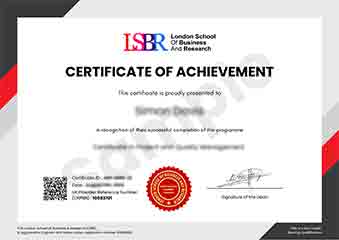
Sample Certificate
Preview the certificate you'll receive upon successful completion of this program.
Get Free Course Info
Enter your details and we'll send you a comprehensive course information pack straight to your inbox.
Employer Sponsored Training
Let your employer invest in your professional development. Request a corporate invoice and get your training funded.
Request Corporate InvoiceWhat People Say About Us
Hear from our students about their experience with the Executive Development Programme in Nutrient Toxicity Case Studies at LSBRX - Executive Education.
James Thompson
United Kingdom"The course content was incredibly thorough and relevant, providing deep insights into nutrient toxicity case studies that have significantly enhanced my analytical skills and practical approach to solving complex nutritional issues. It has undoubtedly opened new career opportunities by equipping me with the knowledge to tackle real-world challenges effectively."
Jia Li Lim
Singapore"The Executive Development Programme in Nutrient Toxicity Case Studies has significantly enhanced my ability to address real-world health challenges in a more informed and effective manner. This program has not only deepened my understanding of nutrient toxicity but also provided me with practical tools that are directly applicable in my role, leading to tangible career advancement opportunities."
Priya Sharma
India"The course structure was meticulously organized, providing a clear pathway through complex topics in nutrient toxicity, which greatly enhanced my understanding. The content was not only comprehensive but also rich with real-world case studies that significantly broadened my professional perspective and practical skills."