
Executive Development Programme in Optimizing Building Performance Through Energy Modeling
This programme enhances executive skills in optimizing building performance and energy efficiency through advanced modeling techniques.
Executive Development Programme in Optimizing Building Performance Through Energy Modeling
Programme Overview
The Executive Development Programme in Optimizing Building Performance Through Energy Modeling is designed to equip senior-level professionals and emerging leaders with the skills and knowledge necessary to lead energy efficiency initiatives in the built environment. Targeted at engineering managers, building owners, and sustainability directors, the program focuses on the practical application of energy modeling techniques to enhance building performance. Participants will explore advanced tools and methodologies for assessing and optimizing energy consumption, reducing carbon footprints, and improving occupant comfort.
Throughout the program, learners will develop a deep understanding of energy modeling principles, including the selection of appropriate software tools, the integration of data from various sources, and the analysis of building performance outcomes. The curriculum also covers regulatory compliance, lifecycle costing, and the identification of cost-effective energy-saving measures. Practical case studies and hands-on workshops will enable participants to apply these skills to real-world scenarios, ensuring they can drive meaningful change in their organizations.
The career impact of this program is significant, as participants will be better equipped to lead energy efficiency projects, reduce operational costs, and contribute to sustainable development goals. Graduates of the program will gain the expertise to influence policy and practice in the industry, making them key leaders in advancing green building practices and sustainable construction. This program not only enhances individual professional capabilities but also fosters a broader commitment to environmental stewardship and corporate responsibility.
What You'll Learn
The Executive Development Programme in Optimizing Building Performance Through Energy Modeling is designed for professionals seeking to enhance their expertise in sustainable building practices and energy efficiency. This cutting-edge program equips participants with the knowledge and skills necessary to leverage advanced energy modeling techniques to improve building performance, reduce environmental impact, and optimize energy use. Key topics include the fundamentals of energy modeling, advanced simulation software, sustainable building codes, and strategies for integrating renewable energy sources into architectural designs.
Graduates of this program will be well-prepared to apply their newfound expertise in various roles, including energy analyst, sustainability manager, and building performance consultant. They will be adept at conducting energy audits, developing energy-efficient building designs, and implementing strategies to lower energy consumption and carbon footprints. This program opens doors to a wide range of career opportunities in the architecture, engineering, construction, and real estate sectors, as well as within government and non-profit organizations focused on sustainability and environmental stewardship.
By the end of the program, participants will have the tools to drive innovation and sustainability in the built environment, contributing to a more energy-efficient and environmentally responsible future.
Programme Highlights
Industry-Aligned Curriculum
Developed with industry leaders for job-ready skills valued by employers worldwide.
Globally Recognised Certificate
Recognised by employers across 180+ countries as a mark of professional excellence.
Flexible Online Learning
Study at your own pace with lifetime access to all course materials and updates.
Instant Access
Start learning immediately — no application process or waiting period required.
Constantly Updated Content
Stay ahead with the latest industry trends, best practices, and emerging insights.
Career Advancement
87% of graduates report measurable career progression within 6 months of completion.
Topics Covered
- 1. Introduction to Energy Modeling: Learners will understand the basics of energy modeling, its importance in building performance, and explore software tools used for energy analysis. They will gain foundational knowledge and learn to create simple energy models.
- 2. Building Envelope and Energy Performance: This module covers the impact of the building envelope on energy performance and how to optimize it. Learners will learn to identify energy losses and gains through the envelope and use this knowledge to improve building design.
- 3. HVAC Systems and Energy Modeling: Learners will study the role of HVAC systems in building energy performance and how to model and optimize them for efficiency. Practical skills include understanding HVAC system types and their energy impacts.
- 4. Lighting and Daylighting Strategies: This module focuses on the importance of lighting and daylighting in reducing energy consumption. Learners will learn to model and optimize lighting systems and integrate daylighting strategies into building designs.
- 5. Renewable Energy Systems: Learners will explore the integration of renewable energy systems into building designs, including photovoltaics, solar thermal systems, and wind power. Practical skills include energy system modeling and assessment.
- 6. Energy Simulation Tools and Techniques: This module introduces various energy simulation tools and techniques used in the industry. Learners will gain hands-on experience with popular software tools and learn best practices for energy simulation.
- 7. Advanced Modeling Techniques: Learners will delve into advanced energy modeling techniques, including transient analysis, dynamic simulation, and detailed component modeling. Practical skills include creating complex models to accurately represent building performance.
- 8. Case Studies and Real-World Applications: This module examines real-world case studies of energy-efficient buildings and the role of energy modeling in their success. Learners will analyze successful projects and apply lessons learned to their own work.
- 9. Energy Policies and Standards: Learners will study current and emerging energy policies and building standards that impact energy modeling. They will learn how to ensure compliance with local, national, and international standards.
- 10. Leadership and Strategic Planning for Energy Efficiency: This module focuses on developing leadership skills to drive energy efficiency initiatives. Learners will learn to develop and implement strategic plans for optimizing building performance through energy modeling.
What You Get When You Enroll
Secure checkout • Instant access • Certificate included
Key Facts
Audience: Building industry professionals, facility managers
Prerequisites: Basic understanding of energy systems
Outcomes: Enhanced energy modeling skills, improved building performance
Ready to get started?
Join thousands of professionals who already took the next step. Enroll now and get instant access.
Enroll Now — $199Why This Course
Career Advancement: Enrolling in an Executive Development Programme in Optimizing Building Performance Through Energy Modeling can significantly enhance your expertise in sustainable building practices, aligning with the growing demand for energy-efficient structures. This specialization can lead to leadership roles in green building initiatives, project management, and sustainability departments within architectural and engineering firms.
Skill Development: The programme equips professionals with advanced skills in energy modeling software, such as EnergyPlus and Building Information Modeling (BIM) tools. These skills are crucial for optimizing building performance, reducing operational costs, and meeting green building standards like LEED and BREEAM. Competence in these areas can make you a valuable asset in the industry, enabling you to contribute to more sustainable and cost-effective building solutions.
Networking Opportunities: Participating in such a programme provides access to a network of professionals and industry leaders. These connections can open doors to mentorship, collaboration, and job opportunities in the field of sustainable architecture and engineering. Networking can also facilitate knowledge exchange and the adoption of best practices in energy-efficient building design.
Your Path to Certification
Trusted by Professionals Worldwide
Course Brochure
Download our comprehensive course brochure with all details
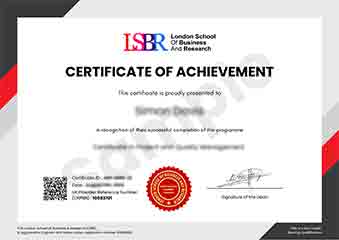
Sample Certificate
Preview the certificate you'll receive upon successful completion of this program.
Get Free Course Info
Enter your details and we'll send you a comprehensive course information pack straight to your inbox.
Employer Sponsored Training
Let your employer invest in your professional development. Request a corporate invoice and get your training funded.
Request Corporate InvoiceWhat People Say About Us
Hear from our students about their experience with the Executive Development Programme in Optimizing Building Performance Through Energy Modeling at LSBRX - Executive Education.
James Thompson
United Kingdom"The course content was incredibly detailed and well-structured, providing a solid foundation in energy modeling techniques that are directly applicable to real-world building performance optimization. Gaining hands-on experience with the latest software tools was invaluable and has significantly enhanced my ability to contribute to sustainable building projects."
Charlotte Williams
United Kingdom"This course has been incredibly practical, equipping me with the latest tools and techniques in energy modeling that are directly applicable in the field. It has not only enhanced my technical skills but also opened up new career opportunities in sustainable building design."
Priya Sharma
India"The course structure was meticulously organized, providing a clear path from foundational concepts to advanced applications in energy modeling, which significantly enhanced my understanding and practical skills in optimizing building performance. The comprehensive content and real-world case studies were particularly beneficial, offering valuable insights into how to apply theoretical knowledge in professional settings."