
Executive Development Programme in Optimizing Mechanical Systems with Simulation Software
This programme enhances leadership in optimizing mechanical systems through advanced simulation software, driving innovation and efficiency.
Executive Development Programme in Optimizing Mechanical Systems with Simulation Software
Programme Overview
The Executive Development Programme in Optimizing Mechanical Systems with Simulation Software is designed for senior engineers, project managers, and executives in mechanical engineering, automotive, aerospace, and manufacturing industries. This program equips participants with advanced skills in using industry-standard simulation software to optimize mechanical systems, reduce design cycles, and enhance product performance. Participants will gain hands-on experience with cutting-edge tools and techniques, such as computational fluid dynamics (CFD), finite element analysis (FEA), and multi-body dynamics simulation.
Key skills and knowledge developed through this program include the ability to conduct comprehensive simulation studies, integrate simulation results into the product development lifecycle, and leverage simulation data for informed decision-making. Learners will also enhance their understanding of the underlying physics and mathematics of mechanical systems, and they will be proficient in using simulation software to predict and mitigate real-world issues before physical prototypes are built. This comprehensive skill set ensures participants can lead and support mechanical system optimization projects from concept to delivery.
This program has a profound impact on career trajectories, offering participants the opportunity to drive innovation, improve product quality, and reduce development costs. Graduates of the program are well-positioned to assume senior leadership roles in R&D, engineering, and operations, where they can apply their expertise to optimize mechanical systems, enhance product performance, and contribute to significant business growth.
What You'll Learn
The Executive Development Programme in Optimizing Mechanical Systems with Simulation Software is designed to empower professionals with the skills to enhance mechanical system performance using advanced simulation technologies. This unique program equips participants with a robust understanding of both theoretical and practical aspects of mechanical systems, complemented by hands-on experience with leading simulation software. Key topics include system dynamics, thermodynamics, fluid mechanics, and computational methods, all tailored to real-world applications.
Participants learn how to model, analyze, and optimize mechanical systems, enabling them to predict performance, troubleshoot issues, and innovate solutions. Through case studies and interactive workshops, graduates gain the ability to integrate simulation software into their work processes, leading to more efficient and effective problem-solving.
Upon completion, graduates are well-prepared for leadership roles in mechanical engineering, where they can drive innovation and efficiency in design and manufacturing. The program also opens doors to advanced positions in research and development, consulting, and industry leadership. By mastering the tools and techniques taught in this program, participants are poised to make significant contributions to their organizations and the broader field of mechanical engineering.
Programme Highlights
Industry-Aligned Curriculum
Developed with industry leaders for job-ready skills valued by employers worldwide.
Globally Recognised Certificate
Recognised by employers across 180+ countries as a mark of professional excellence.
Flexible Online Learning
Study at your own pace with lifetime access to all course materials and updates.
Instant Access
Start learning immediately — no application process or waiting period required.
Constantly Updated Content
Stay ahead with the latest industry trends, best practices, and emerging insights.
Career Advancement
87% of graduates report measurable career progression within 6 months of completion.
Topics Covered
- 1. Introduction to Mechanical Systems: Learners will study the basic principles of mechanical systems, including components and their interactions. They will gain foundational knowledge in analyzing and understanding mechanical systems, preparing them for more advanced topics.
- 2. Fundamentals of Simulation Software: This module covers the basics of simulation software used in mechanical systems, focusing on software features, setup, and basic simulations. Learners will gain proficiency in using simulation software to model simple mechanical systems.
- 3. Static Analysis in Mechanical Systems: Learners will delve into static analysis techniques, learning how to perform static load analysis on mechanical systems. They will practice setting up and interpreting static analysis results to ensure system stability.
- 4. Dynamic Analysis and Vibration Analysis: This module explores dynamic and vibration analysis, teaching learners how to simulate and analyze the dynamic behavior and vibration characteristics of mechanical systems. Practical skills include identifying and mitigating vibration issues in systems.
- 5. Thermal Analysis in Mechanical Systems: Learners will study thermal analysis principles and techniques, focusing on heat transfer and thermal stress in mechanical components. They will learn to simulate and optimize thermal performance of mechanical systems.
- 6. Optimization Techniques for Mechanical Systems: This module introduces various optimization techniques used in mechanical systems, including design optimization and materials optimization. Learners will gain skills in optimizing mechanical systems for performance, weight, and cost.
- 7. Advanced Simulation Software Features: Building on foundational skills, learners will explore advanced features of simulation software, such as multi-physics coupling and advanced post-processing tools. They will learn to leverage these features to solve complex mechanical system problems.
- 8. Case Studies in Mechanical System Optimization: Through case studies, learners will apply their knowledge and skills to real-world mechanical systems, focusing on optimizing design, performance, and cost. Practical experience includes working on full project cycles from initial analysis to final optimization.
- 9. Advanced Topics in Mechanical Systems: This module covers specialized topics, including fluid-structure interaction, wear analysis, and advanced material modeling. Learners will gain in-depth knowledge of these advanced topics to handle complex mechanical system challenges.
- 10. Leadership and Strategic Thinking in Mechanical Systems: The final module focuses on developing leadership and strategic thinking skills relevant to optimizing mechanical systems. Learners will learn to lead teams, make strategic decisions, and communicate complex mechanical system concepts effectively.
What You Get When You Enroll
Secure checkout • Instant access • Certificate included
Key Facts
Audience: Engineers, managers, and technicians
Prerequisites: Basic mechanical systems knowledge
Outcomes: Enhanced simulation skills, optimized system efficiency
Ready to get started?
Join thousands of professionals who already took the next step. Enroll now and get instant access.
Enroll Now — $199Why This Course
Enhanced Technical Expertise: Participating in an Executive Development Programme focused on optimizing mechanical systems with simulation software can significantly enhance a professional's technical skills. This program typically covers advanced topics such as finite element analysis, computational fluid dynamics, and system optimization, which are crucial for modern mechanical engineers and designers. By mastering these tools, professionals can improve the efficiency and performance of mechanical systems, leading to more innovative and sustainable designs.
Career Advancement Opportunities: The skills acquired through this program can open up advanced career opportunities in industries that heavily rely on mechanical systems. Professionals can transition into roles such as system engineers, project managers, or research and development specialists. Companies often seek individuals with strong simulation software skills to lead projects or develop new technologies, providing a clear pathway for career growth.
Improved Problem-Solving Capabilities: The program equips professionals with robust problem-solving skills by integrating real-world case studies and hands-on simulation exercises. These experiences help participants develop a deeper understanding of how to apply theoretical knowledge to practical challenges. This enhanced problem-solving ability not only boosts individual performance but also contributes to the overall success of projects and teams.
Your Path to Certification
Trusted by Professionals Worldwide
Course Brochure
Download our comprehensive course brochure with all details
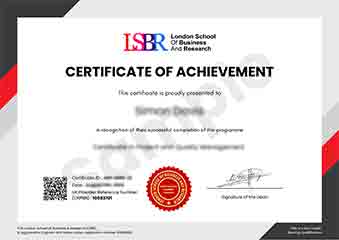
Sample Certificate
Preview the certificate you'll receive upon successful completion of this program.
Get Free Course Info
Enter your details and we'll send you a comprehensive course information pack straight to your inbox.
Employer Sponsored Training
Let your employer invest in your professional development. Request a corporate invoice and get your training funded.
Request Corporate InvoiceWhat People Say About Us
Hear from our students about their experience with the Executive Development Programme in Optimizing Mechanical Systems with Simulation Software at LSBRX - Executive Education.
James Thompson
United Kingdom"The course provided high-quality material that deeply enhanced my understanding of optimizing mechanical systems using simulation software, equipping me with practical skills that are directly applicable in my field. It has significantly boosted my career prospects by adding a valuable skill set to my toolkit."
Ryan MacLeod
Canada"This course has been instrumental in enhancing my ability to optimize mechanical systems using simulation software, directly translating into more efficient and cost-effective solutions in my projects. It has significantly boosted my career prospects by equipping me with industry-relevant skills that are in high demand."
Ashley Rodriguez
United States"The course structure was meticulously organized, providing a seamless transition from theoretical concepts to practical applications, which significantly enhanced my understanding of optimizing mechanical systems. The comprehensive content and real-world case studies were particularly beneficial, offering valuable insights that have already translated into tangible professional growth."