
Executive Development Programme in Optimizing Patient Flow Through Efficient Coordination
This programme enhances patient flow efficiency by optimizing coordination, resulting in reduced wait times and improved patient satisfaction.
Executive Development Programme in Optimizing Patient Flow Through Efficient Coordination
Programme Overview
The Executive Development Programme in Optimizing Patient Flow Through Efficient Coordination is designed for healthcare executives, clinical managers, and administrative leaders in healthcare settings aiming to enhance patient throughput and operational efficiency. This program focuses on the strategic management of patient flow, leveraging advanced methodologies and technologies to streamline processes and reduce wait times. Participants will explore the latest in healthcare logistics, patient flow analytics, and system design, as well as the role of technology in optimizing patient pathways.
Key skills and knowledge developed through this program include the ability to implement evidence-based patient flow strategies, manage interdisciplinary team collaborations, and utilize data analytics for informed decision-making. Learners will also gain expertise in process improvement methodologies, such as lean and Six Sigma, and learn to integrate these into their organizational structures. Additionally, the program emphasizes the importance of patient and staff satisfaction in achieving efficient care delivery.
The career impact of this program is substantial, as participants will be equipped with the knowledge and skills to significantly improve patient flow, enhance operational efficiency, and achieve better patient outcomes. Graduates will be better prepared to lead organizational change initiatives, optimize resource allocation, and drive overall healthcare quality. This program not only advances individual career trajectories but also contributes to the broader goal of enhancing patient care and organizational performance in healthcare settings.
What You'll Learn
The Executive Development Programme in Optimizing Patient Flow Through Efficient Coordination is a comprehensive initiative designed to equip healthcare executives with the strategic skills needed to enhance patient flow and operational efficiency. This program is invaluable for healthcare leaders who seek to streamline patient movement, reduce wait times, and improve overall patient satisfaction.
Key topics include advanced scheduling techniques, digital tools for real-time patient tracking, and collaborative strategies for interdisciplinary team management. Participants will also delve into data analytics to predict patient volumes and optimize resource allocation. The curriculum is enriched with real-world case studies and expert-led workshops, ensuring that learners can immediately apply their new knowledge.
Upon completion, graduates will be adept at implementing evidence-based practices that boost operational efficiency and patient throughput. They will be well-prepared to lead initiatives that not only meet but exceed industry standards, thereby contributing to the broader goal of delivering high-quality, patient-centered care.
This program opens doors to a variety of career opportunities, including leadership roles in hospital administration, health system management, and healthcare consulting. Graduates are ideally positioned to navigate the complexities of modern healthcare systems, driving innovation and excellence in patient care.
Programme Highlights
Industry-Aligned Curriculum
Developed with industry leaders for job-ready skills valued by employers worldwide.
Globally Recognised Certificate
Recognised by employers across 180+ countries as a mark of professional excellence.
Flexible Online Learning
Study at your own pace with lifetime access to all course materials and updates.
Instant Access
Start learning immediately — no application process or waiting period required.
Constantly Updated Content
Stay ahead with the latest industry trends, best practices, and emerging insights.
Career Advancement
87% of graduates report measurable career progression within 6 months of completion.
Topics Covered
- 1: Introduction to Patient Flow Optimization: Learners will understand the basics of patient flow management and its importance in healthcare settings. They will gain foundational knowledge on key concepts and terminology relevant to patient flow optimization.
- 2: Analyzing Patient Flow Data: Learners will study methods for collecting and analyzing patient flow data to identify bottlenecks and inefficiencies in healthcare processes. They will learn to use data analytics tools to improve patient flow.
- 3: Lean Management Techniques for Healthcare: This module introduces lean management principles and their application in healthcare to enhance efficiency and reduce waste. Learners will gain practical skills in applying lean tools and techniques to patient flow processes.
- 4: Interdepartmental Coordination and Collaboration: Learners will explore strategies for effective collaboration between different departments to streamline patient flow. They will develop skills in fostering interdepartmental communication and coordination.
- 5: Workflow Design and Optimization: This module focuses on designing and optimizing patient workflows to minimize delays and improve patient throughput. Learners will learn to use best practices and design tools to enhance workflow efficiency.
- 6: Technology and Patient Flow: Learners will study the role of technology in optimizing patient flow, including electronic health records, scheduling systems, and patient portals. They will gain understanding of how technology can be leveraged to improve patient flow.
- 7: Patient Flow Simulation and Modeling: This module involves using simulation and modeling techniques to predict and optimize patient flow. Learners will develop skills in creating and analyzing patient flow models to identify and address potential issues.
- 8: Advanced Lean Six Sigma for Healthcare: Building on foundational lean and six sigma concepts, learners will delve into advanced applications of these methodologies in healthcare settings to achieve significant improvements in patient flow.
- 9: Change Management in Healthcare: This module covers the principles and practices of change management in healthcare, focusing on how to implement changes to patient flow processes effectively. Learners will learn to manage resistance and ensure successful change adoption.
- 10: Case Studies in Patient Flow Optimization: Learners will analyze real-world case studies of successful patient flow optimization initiatives. They will gain insights into practical solutions and strategies used in different healthcare settings to improve patient flow.
What You Get When You Enroll
Secure checkout • Instant access • Certificate included
Key Facts
Audience: Healthcare managers, coordinators
Prerequisites: Basic healthcare knowledge
Outcomes: Improved patient flow, enhanced coordination skills
Ready to get started?
Join thousands of professionals who already took the next step. Enroll now and get instant access.
Enroll Now — $199Why This Course
Enhance Leadership Skills: Participating in an Executive Development Programme in Optimizing Patient Flow Through Efficient Coordination equips professionals with advanced leadership skills crucial for overseeing complex healthcare operations. This program provides insights into effective patient flow management, enabling leaders to streamline processes and improve overall hospital efficiency.
Boost Strategic Thinking: The program focuses on strategic planning and decision-making, essential for addressing the challenges of patient flow. By learning to analyze data and predict patient volumes, professionals can develop strategies to enhance resource allocation and reduce waiting times, thereby improving patient satisfaction and operational effectiveness.
Develop Interdisciplinary Collaboration: Effective patient flow requires coordination across various departments and teams. This program teaches professionals how to foster interdisciplinary collaboration, ensuring smoother workflows and better patient care. Participants learn to build strong relationships and communicate effectively, which are vital for achieving organizational goals.
Stay Updated with Latest Trends: The healthcare sector is constantly evolving, and staying informed is critical. The program keeps professionals updated on the latest trends and technologies in patient flow management, such as digital tools and analytics. This knowledge helps them implement innovative solutions and maintain a competitive edge in their roles.
Your Path to Certification
Trusted by Professionals Worldwide
Course Brochure
Download our comprehensive course brochure with all details
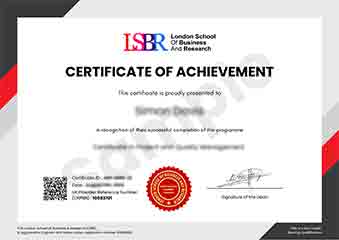
Sample Certificate
Preview the certificate you'll receive upon successful completion of this program.
Get Free Course Info
Enter your details and we'll send you a comprehensive course information pack straight to your inbox.
Employer Sponsored Training
Let your employer invest in your professional development. Request a corporate invoice and get your training funded.
Request Corporate InvoiceWhat People Say About Us
Hear from our students about their experience with the Executive Development Programme in Optimizing Patient Flow Through Efficient Coordination at LSBRX - Executive Education.
Sophie Brown
United Kingdom"The course content was incredibly thorough and well-researched, providing a deep understanding of patient flow optimization. I gained practical skills that I've already implemented in my role, leading to more efficient workflows and improved patient satisfaction."
Ruby McKenzie
Australia"This course has been incredibly practical, directly applying concepts to real-world healthcare settings to optimize patient flow. It has equipped me with essential skills to enhance coordination and efficiency, leading to significant career advancement opportunities in hospital management."
Arjun Patel
India"The course structure is well-organized, providing a clear pathway to understanding complex patient flow optimization, which has significantly enhanced my ability to apply theoretical knowledge in real-world healthcare settings, fostering professional growth."