
Executive Development Programme in Passive Cooling Design Principles
This programme equips executives with key principles of passive cooling design to enhance sustainability and reduce energy costs in buildings.
Executive Development Programme in Passive Cooling Design Principles
Programme Overview
The Executive Development Programme in Passive Cooling Design Principles is tailored for senior-level architects, engineers, and sustainability managers who wish to enhance their knowledge in sustainable building design, particularly in the realm of passive cooling techniques. The programme is designed to provide participants with a comprehensive understanding of how to integrate passive cooling strategies into building design to reduce energy consumption and operational costs while improving the comfort and health of building occupants.
Throughout the programme, learners will develop key skills in analyzing site-specific conditions, selecting appropriate passive cooling technologies, and integrating these technologies with other sustainable design elements. They will gain in-depth knowledge of natural ventilation, shading, thermal mass, and other passive cooling strategies, as well as the ability to conduct life-cycle assessments and cost-benefit analyses of passive cooling designs. Additionally, participants will learn to lead cross-disciplinary teams in the implementation of sustainable design strategies and to navigate regulatory and certification requirements for green buildings.
The programme is expected to have a significant career impact on participants. Upon completion, they will be well-equipped to lead sustainable design initiatives, drive innovation in their organizations, and contribute to the broader adoption of sustainable building practices. Graduates of this programme will be positioned to influence the design and implementation of energy-efficient buildings, thereby playing a crucial role in the transition towards more sustainable and resilient urban environments.
What You'll Learn
Experience the transformative power of sustainable design with our Executive Development Programme in Passive Cooling Design Principles. This cutting-edge program equips professionals with the knowledge and skills to harness natural cooling methods, reducing energy consumption and environmental impact. Participants will delve into topics such as solar shading, natural ventilation, thermal mass, and evaporative cooling techniques, gaining a comprehensive understanding of how to design buildings that are not only energy-efficient but also comfortable and healthy.
Through hands-on workshops, real-world case studies, and collaborative problem-solving sessions, you will apply these principles to create innovative cooling solutions. This program is designed for architects, engineers, facility managers, and sustainability professionals looking to enhance their expertise and contribute to a more sustainable built environment.
Upon completion, graduates will be well-prepared to lead projects that integrate passive cooling strategies, optimizing building performance and reducing operational costs. The program opens doors to a wide array of career opportunities, including leadership roles in green architecture, sustainable construction, and energy management. By mastering passive cooling design, you will not only advance your career but also play a crucial role in shaping a more sustainable future.
Programme Highlights
Industry-Aligned Curriculum
Developed with industry leaders for job-ready skills valued by employers worldwide.
Globally Recognised Certificate
Recognised by employers across 180+ countries as a mark of professional excellence.
Flexible Online Learning
Study at your own pace with lifetime access to all course materials and updates.
Instant Access
Start learning immediately — no application process or waiting period required.
Constantly Updated Content
Stay ahead with the latest industry trends, best practices, and emerging insights.
Career Advancement
87% of graduates report measurable career progression within 6 months of completion.
Topics Covered
- 1. Introduction to Passive Cooling Design: Learners will understand the basics of passive cooling design, including its importance and benefits. They will gain foundational knowledge on key principles such as heat transfer and natural ventilation, preparing them for more advanced topics.
- 2. Thermodynamics in Passive Cooling Systems: This module delves into the thermodynamic principles that govern passive cooling systems, providing learners with a deeper understanding of energy conservation and heat balance.
- 3. Building Orientation and Layout for Passive Cooling: Learners will study how building orientation and layout can significantly impact passive cooling performance. They will gain skills in designing efficient building configurations that optimize natural cooling.
- 4. Utilization of Natural Ventilation in Passive Cooling: This module focuses on the strategic use of natural ventilation to cool buildings. Learners will learn to design and implement ventilation strategies that enhance comfort and reduce energy consumption.
- 5. Solar Radiation and Its Impact on Cooling: Learners will explore how solar radiation affects building cooling. They will gain skills in analyzing solar gain and designing shading systems to mitigate its impact.
- 6. Insulation and Thermal Mass in Passive Cooling: This module covers the role of insulation and thermal mass in passive cooling design. Learners will understand how these materials can be effectively used to manage indoor temperatures.
- 7. Advanced Passive Cooling Strategies: Building on foundational knowledge, this module introduces advanced passive cooling strategies, including evaporative cooling and night ventilation, and how to integrate them into building designs.
- 8. Case Studies in Passive Cooling Design: Learners will analyze real-world case studies to understand the application of passive cooling principles in various climatic conditions and building types.
- 9. Tools and Software for Passive Cooling Design: This module teaches the use of specialized tools and software for designing and analyzing passive cooling systems, equipping learners with practical skills to implement their designs.
- 10. Sustainability and Life Cycle Assessment in Passive Cooling: The final module focuses on the sustainability aspects of passive cooling design and how to perform a life cycle assessment to ensure long-term environmental benefits.
What You Get When You Enroll
Secure checkout • Instant access • Certificate included
Key Facts
For architects, engineers, and sustainability professionals
No prior cooling design experience required
Understand passive cooling fundamentals
Develop strategies for energy-efficient buildings
Enhance knowledge in sustainable design practices
Ready to get started?
Join thousands of professionals who already took the next step. Enroll now and get instant access.
Enroll Now — $199Why This Course
Enhanced Energy Efficiency Expertise: Professionals in the field of architecture, engineering, and sustainability can significantly enhance their expertise in passive cooling design principles. This knowledge enables them to design buildings that minimize energy consumption, reducing operational costs and environmental impact. For instance, understanding principles like natural ventilation and solar shading can lead to more sustainable building designs.
Competitive Advantage: Gaining a specialized skill set in passive cooling design can provide a professional with a competitive edge in the job market. Employers increasingly seek candidates who can integrate sustainable practices into their projects. Attending an executive development programme ensures that professionals stay updated with the latest trends and techniques in sustainable design, making them more attractive to potential employers.
Improved Project Outcomes: By learning about passive cooling, professionals can contribute to projects that are more resilient and adaptable to climate conditions. For example, residential and commercial buildings designed with passive cooling principles often perform better in extreme weather, leading to increased occupant satisfaction and lower maintenance costs. This knowledge can help professionals influence project decisions to prioritize long-term benefits.
Your Path to Certification
Trusted by Professionals Worldwide
Course Brochure
Download our comprehensive course brochure with all details
Sample Certificate
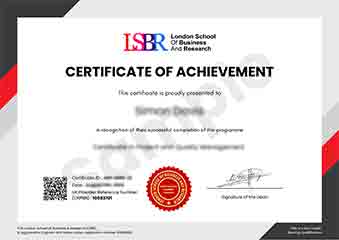
Preview the certificate you'll receive upon successful completion of this program.
Get Free Course Info
Enter your details and we'll send you a comprehensive course information pack straight to your inbox.
Employer Sponsored Training
Let your employer invest in your professional development. Request a corporate invoice and get your training funded.
Request Corporate InvoiceWhat People Say About Us
Hear from our students about their experience with the Executive Development Programme in Passive Cooling Design Principles at LSBRX - Executive Education.
Sophie Brown
United Kingdom"The course content was incredibly thorough, providing a deep understanding of passive cooling design principles that have direct applications in real-world projects. Gaining these skills has significantly enhanced my ability to contribute to sustainable architecture projects and opened up new career opportunities in the field."
Greta Fischer
Germany"The Executive Development Programme in Passive Cooling Design Principles has significantly enhanced my ability to design sustainable buildings that reduce energy consumption. This knowledge has opened new career opportunities in the green building sector and has made my projects more competitive in the market."
Madison Davis
United States"The course structure was well-organized, providing a clear path from basic principles to advanced applications in passive cooling design, which greatly enhanced my understanding and practical skills in the field. The comprehensive content and real-world case studies were particularly beneficial for applying theoretical knowledge to solve real engineering challenges."