
Executive Development Programme in Phonological Processing in Second Language Acquisition
This programme enhances leaders' understanding of phonological processing in second language acquisition, improving instructional strategies and learner outcomes.
Executive Development Programme in Phonological Processing in Second Language Acquisition
Programme Overview
The Executive Development Programme in Phonological Processing in Second Language Acquisition is designed for educators, speech-language pathologists, and other professionals working in the field of language development who aim to enhance their understanding of how phonological processing affects second language acquisition. The programme delves into the intricate relationship between phonological awareness, phonological memory, and the acquisition of a second language, providing a comprehensive framework for addressing phonological challenges in learners.
Participants in this programme will develop a deep understanding of phonological processes, including segmentation, blending, and phoneme manipulation, as well as the neurological and cognitive aspects of phonological development. They will learn evidence-based strategies for assessing and intervening in phonological processing difficulties, and gain insight into the role of phonological skills in literacy development across languages. Through case studies, interactive workshops, and practical exercises, learners will be equipped to tailor their approaches to meet the specific needs of diverse learners.
The programme has a significant impact on career advancement, enabling professionals to innovate in their teaching and therapeutic practices, and to contribute to the field through research and professional development. Graduates of this programme will be well-prepared to lead initiatives that prioritize phonological processing in second language learning environments, enhancing student outcomes and fostering a more inclusive educational landscape.
What You'll Learn
The Executive Development Programme in Phonological Processing in Second Language Acquisition is a transformative initiative designed for professionals seeking to enhance their expertise in teaching and managing phonological processing in second language learning environments. This program offers a comprehensive exploration of phonological theories, practical pedagogical strategies, and current research advancements, equipping participants with the knowledge to develop effective teaching methods and assessment tools.
Participants will delve into key topics such as the phonological systems of various languages, the impact of phonological processing on second language acquisition, and the integration of phonological instruction in diverse educational settings. Through interactive workshops, case studies, and peer discussions, learners will apply these insights to design curricula, innovate teaching techniques, and support students with diverse linguistic backgrounds.
By completing this program, participants will be well-prepared to lead workshops, develop educational policies, and mentor other educators in phonological processing. Career opportunities expand to include roles in educational administration, language intervention services, and research and development in language education. This program not only enriches the professional toolkit of educators but also fosters a deeper understanding of linguistic diversity, contributing to more inclusive and effective language learning environments.
Programme Highlights
Industry-Aligned Curriculum
Developed with industry leaders for job-ready skills valued by employers worldwide.
Globally Recognised Certificate
Recognised by employers across 180+ countries as a mark of professional excellence.
Flexible Online Learning
Study at your own pace with lifetime access to all course materials and updates.
Instant Access
Start learning immediately — no application process or waiting period required.
Constantly Updated Content
Stay ahead with the latest industry trends, best practices, and emerging insights.
Career Advancement
87% of graduates report measurable career progression within 6 months of completion.
Topics Covered
- 1. Introduction to Phonological Processes in Second Language Acquisition: This module introduces foundational concepts in phonology and their relevance to second language acquisition. Learners will gain a basic understanding of phonological processes and how they influence language learning.
- 2. Phoneme Inventory and Second Language Learning: This module explores the phoneme inventory in various languages and its impact on second language acquisition. Learners will learn to identify and analyze phoneme inventories and understand how they affect language learning outcomes.
- 3. Phonological Awareness and Metalinguistic Awareness: This module delves into phonological awareness and its relationship with metalinguistic awareness in second language learners. Learners will develop skills in recognizing and manipulating sounds and understand their role in language learning.
- 4. The Role of Perception in Second Language Phonology: This module examines the role of perception in learning and using a second language phonology. Learners will study how perception affects phonological learning and develop strategies to improve perceptual skills.
- 5. Phonological Processing and Cognitive Factors: This module investigates the cognitive factors that influence phonological processing in second language learners. Learners will explore how attention, memory, and executive function play a role in phonological processing.
- 6. Techniques for Teaching Phonology: This module focuses on practical methods for teaching phonology to second language learners. Learners will learn effective teaching strategies and resources to enhance phonological learning.
- 7. Phonological Deviations and Disorders in Second Language Learning: This module explores common phonological deviations and disorders in second language learners. Learners will gain knowledge about diagnosing and addressing these issues to support learners' phonological development.
- 8. Technology in Phonological Training for Second Language Acquisition: This module examines the use of technology in phonological training for second language learners. Learners will learn to design and implement technology-based phonological training programs.
- 9. Intercultural Communication and Phonology: This module investigates the impact of cultural factors on phonological processing in second language learners. Learners will understand how cultural background influences phonological learning and develop strategies to enhance intercultural communication skills.
- 10. Advanced Case Studies in Phonological Processing: This module presents advanced case studies on phonological processing in second language acquisition. Learners will analyze real-world examples and develop advanced skills in diagnosing and addressing phonological challenges.
What You Get When You Enroll
Secure checkout • Instant access • Certificate included
Key Facts
Audience: Educators, researchers, language specialists
Prerequisites: Basic knowledge of linguistics, phonology
Outcomes: Enhanced skills in phonological processing, improved L2 teaching methods
Ready to get started?
Join thousands of professionals who already took the next step. Enroll now and get instant access.
Enroll Now — $199Why This Course
Enhance Expertise: Professionals who complete the Executive Development Programme in Phonological Processing in Second Language Acquisition gain specialized knowledge in phonological aspects, which is crucial for educators, speech-language pathologists, and linguists. This deepens their understanding of how phonological processes affect second language acquisition, enabling them to develop more effective teaching and intervention strategies.
Improve Student Outcomes: By mastering phonological processing skills, educators can better support students in acquiring second languages. For instance, teachers can create more targeted phonics programs and tailor instruction to address specific phonological challenges, leading to improved reading and speaking abilities among students.
Expand Career Opportunities: This program equips professionals with advanced skills that are in demand across various sectors. Educators can specialize in areas like bilingual education, while speech-language pathologists can offer more nuanced services. This specialization not only enhances job prospects but also increases their market value, opening doors to leadership roles and research positions.
Your Path to Certification
Trusted by Professionals Worldwide
Course Brochure
Download our comprehensive course brochure with all details
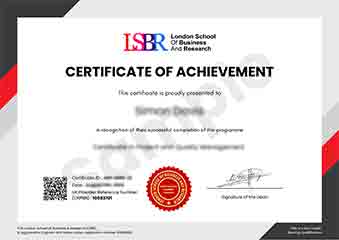
Sample Certificate
Preview the certificate you'll receive upon successful completion of this program.
Get Free Course Info
Enter your details and we'll send you a comprehensive course information pack straight to your inbox.
Employer Sponsored Training
Let your employer invest in your professional development. Request a corporate invoice and get your training funded.
Request Corporate InvoiceWhat People Say About Us
Hear from our students about their experience with the Executive Development Programme in Phonological Processing in Second Language Acquisition at LSBRX - Executive Education.
Oliver Davies
United Kingdom"The course provided in-depth material on phonological processing in second language acquisition, equipping me with practical skills to analyze and improve language learning processes. Gaining this knowledge has significantly enhanced my ability to support language learners in a professional setting."
Priya Sharma
India"This course has been incredibly valuable, equipping me with advanced skills in phonological processing that are directly applicable in my role as a language instructor. It has opened up new opportunities for career advancement and has made me more confident in addressing the phonological challenges faced by my students."
Ahmad Rahman
Malaysia"The course structure was meticulously organized, allowing for a seamless progression from foundational concepts to advanced topics in phonological processing, which greatly enhanced my understanding and practical application in second language acquisition. The comprehensive content provided valuable insights into real-world scenarios, significantly boosting my professional growth in this field."