
Executive Development Programme in Practical Techniques for Managing Difficult Patient Interactions
This programme equips healthcare leaders with practical techniques to effectively manage challenging patient interactions, enhancing patient satisfaction and staff well-being.
Executive Development Programme in Practical Techniques for Managing Difficult Patient Interactions
Programme Overview
The Executive Development Programme in Practical Techniques for Managing Difficult Patient Interactions is designed for healthcare professionals, including nurses, doctors, and allied health staff, who require advanced skills to effectively handle challenging patient interactions. This program equips participants with comprehensive strategies to maintain professionalism, de-escalate conflicts, and foster positive patient relationships, which are critical for improving patient care outcomes and enhancing the overall clinical environment.
Participants will develop key skills in communication, empathy, and conflict resolution, enabling them to manage difficult conversations with patients and their families more effectively. The curriculum includes practical modules on active listening, emotional intelligence, and cultural competence, along with case studies and role-playing exercises that simulate real-world scenarios. Learners will also receive guidance on managing stress, maintaining boundaries, and leveraging feedback to improve their practice.
Engagement in this programme can significantly enhance career prospects, particularly for those in leadership roles or considering advanced clinical positions. Improved patient interaction skills lead to better patient satisfaction, which is increasingly important in performance evaluations and patient care quality metrics. Additionally, the ability to handle challenging situations adeptly can help professionals navigate complex ethical dilemmas and contribute to a more harmonious and effective healthcare team.
What You'll Learn
The Executive Development Programme in Practical Techniques for Managing Difficult Patient Interactions is a transformative initiative designed to equip healthcare professionals with essential skills for navigating challenging patient encounters. This program, tailored for doctors, nurses, and healthcare leaders, focuses on enhancing communication, emotional intelligence, and conflict resolution strategies. Key topics include empathy building, effective communication techniques, and managing stress in high-pressure situations.
Participants engage in interactive workshops, simulations, and case studies that simulate real-world scenarios, allowing them to practice and refine their skills in a supportive environment. The curriculum emphasizes the importance of maintaining professionalism and emotional resilience when faced with difficult patients or situations.
Upon completion, graduates emerge with the confidence and expertise to handle challenging interactions more effectively, thereby improving patient satisfaction and the overall quality of care. This program not only enhances individual performance but also contributes to a more cohesive and supportive healthcare team. Graduates are well-prepared to lead by example, fostering a culture of empathy and effective communication within their organizations.
This programme opens the door to various career opportunities in leadership roles, such as patient relations coordinators, healthcare educators, and organizational consultants. By mastering these practical techniques, participants can significantly advance their careers, contribute to positive patient outcomes, and create a more empathetic and effective healthcare environment.
Programme Highlights
Industry-Aligned Curriculum
Developed with industry leaders for job-ready skills valued by employers worldwide.
Globally Recognised Certificate
Recognised by employers across 180+ countries as a mark of professional excellence.
Flexible Online Learning
Study at your own pace with lifetime access to all course materials and updates.
Instant Access
Start learning immediately — no application process or waiting period required.
Constantly Updated Content
Stay ahead with the latest industry trends, best practices, and emerging insights.
Career Advancement
87% of graduates report measurable career progression within 6 months of completion.
Topics Covered
- 1. Introduction to Difficult Patient Interactions: Learners will explore foundational concepts of what constitutes a difficult patient interaction, including communication styles, patient behavior patterns, and psychological factors. They will gain an understanding of how to recognize and categorize different types of challenging interactions.
- 2. Psychosocial Foundations of Patient Behavior: Learners will study the psychological and social factors that influence patient behavior, including stress, anxiety, and cultural differences. Practical skills include identifying these factors and tailoring communication strategies accordingly.
- 3. Effective Communication Strategies: This module covers various communication techniques such as active listening, empathy, and assertiveness. Learners will practice these skills through role-plays and simulations to improve their ability to communicate effectively in challenging situations.
- 4. De-escalation Techniques for Aggressive Behavior: Learners will learn specific de-escalation techniques to manage potentially aggressive or hostile patient behavior. Practical exercises will help them apply these techniques in realistic scenarios.
- 5. Conflict Resolution and Negotiation Skills: This module focuses on advanced conflict resolution techniques and negotiation skills to manage disputes or disagreements with patients. Practical activities will enhance learners' ability to resolve conflicts diplomatically and effectively.
- 6. Building Trust and Rapport: Learners will explore strategies for building trust and rapport with difficult patients, including setting clear boundaries and expectations. Practical sessions will help them develop these skills in a variety of clinical settings.
- 7. Managing Cultural and Linguistic Barriers: This module covers how to manage interactions with patients from diverse cultural and linguistic backgrounds. Learners will practice cultural competency and effective use of interpreters when necessary.
- 8. Legal and Ethical Considerations in Patient Interactions: Learners will study the legal and ethical frameworks governing patient interactions, including confidentiality, informed consent, and patient rights. Practical case studies will help them understand how to apply these principles in real-world scenarios.
- 9. Resilience and Self-Care for Healthcare Professionals: This module focuses on developing personal resilience and self-care practices to manage the emotional and psychological demands of working with difficult patients. Practical activities will include stress management techniques and reflection exercises.
- 10. Advanced Case Studies and Peer Feedback: Learners will analyze advanced case studies involving complex patient interactions and receive feedback from peers and instructors. This module aims to refine their skills through critical analysis and group discussion.
What You Get When You Enroll
Secure checkout • Instant access • Certificate included
Key Facts
Audience: Healthcare professionals
Prerequisites: None required
Outcomes: Enhanced conflict resolution, improved empathy, better communication skills
Ready to get started?
Join thousands of professionals who already took the next step. Enroll now and get instant access.
Enroll Now — $199Why This Course
Enhanced Interpersonal Skills: Participating in the Executive Development Programme in Practical Techniques for Managing Difficult Patient Interactions equips professionals with advanced communication skills. This includes mastering empathetic listening, assertiveness, and conflict resolution, which are crucial for maintaining positive patient relationships and reducing medical disputes.
Improved Patient Satisfaction: The program focuses on understanding patient behaviors and needs, enabling healthcare professionals to provide more personalized and effective care. By improving patient interaction skills, practitioners can significantly enhance patient satisfaction, leading to higher patient loyalty and better health outcomes.
Career Advancement Opportunities: Successfully completing this programme can open doors to leadership roles within healthcare organizations. It demonstrates a commitment to professional development and the ability to handle complex interpersonal challenges, making professionals more attractive for higher-level positions or roles in patient advocacy and health policy.
Stress Management and Resilience: The programme also addresses the psychological well-being of healthcare professionals, providing strategies to manage stress and avoid burnout. This not only improves personal health but also enhances job performance and resilience, contributing to a more sustainable and fulfilling career.
Your Path to Certification
Trusted by Professionals Worldwide
Course Brochure
Download our comprehensive course brochure with all details
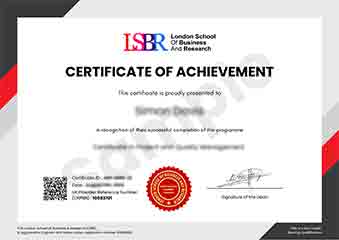
Sample Certificate
Preview the certificate you'll receive upon successful completion of this program.
Get Free Course Info
Enter your details and we'll send you a comprehensive course information pack straight to your inbox.
Employer Sponsored Training
Let your employer invest in your professional development. Request a corporate invoice and get your training funded.
Request Corporate InvoiceWhat People Say About Us
Hear from our students about their experience with the Executive Development Programme in Practical Techniques for Managing Difficult Patient Interactions at LSBRX - Executive Education.
Oliver Davies
United Kingdom"The course provided high-quality material that directly translated into practical skills for managing difficult patient interactions, significantly enhancing my ability to handle challenging situations in a professional and effective manner. This has already proven beneficial in my career, allowing me to navigate complex patient encounters with greater confidence and empathy."
Ahmad Rahman
Malaysia"This course has been incredibly valuable in enhancing my ability to handle challenging patient interactions more effectively, directly translating into better patient outcomes and a more positive work environment. It has equipped me with practical tools that have significantly improved my career prospects and confidence in managing difficult situations."
Isabella Dubois
Canada"The course structure was meticulously organized, providing a seamless flow from theoretical concepts to practical scenarios, which significantly enhanced my understanding and preparedness for managing challenging patient interactions. The comprehensive content offered a wealth of real-world applications that have already translated into improved patient care and professional growth."