
Executive Development Programme in Practical Threat Modeling Techniques for DevSecOps
This programme equips executives with practical threat modeling techniques to enhance DevSecOps, ensuring secure software development and mitigating risks effectively.
Executive Development Programme in Practical Threat Modeling Techniques for DevSecOps
Programme Overview
The Executive Development Programme in Practical Threat Modeling Techniques for DevSecOps is designed for senior executives, security professionals, and technology leaders aiming to enhance their ability to protect digital assets and ensure the security of their organizations. This program equips participants with a comprehensive understanding of threat modeling, a critical process for identifying and mitigating security risks in software and systems. Through hands-on workshops, case studies, and expert-led sessions, participants will learn to apply threat modeling frameworks such as STRIDE, OCTAVE, and DREAD, integrating them into DevSecOps practices to build more secure software from the ground up.
Participants will develop a robust set of skills, including the ability to conduct comprehensive threat assessments, design secure architectures, and implement threat mitigation strategies. They will also learn to leverage automated tools for threat modeling, collaborate effectively with cross-functional teams, and integrate security into the software development lifecycle. By mastering these skills, executives and leaders will be better positioned to lead their organizations in adopting a proactive and integrated approach to cybersecurity, fostering a secure and resilient digital environment.
The impact on careers is transformative, as professionals completing this program will be well-prepared to guide their organizations through the complexities of modern cybersecurity challenges. They will be able to make informed decisions that enhance the security posture of their organizations, drive innovation, and maintain compliance with industry standards and regulations. This program not only enhances personal expertise but also elevates the executive’s influence in strategic decision-making related to security, positioning them as key leaders in the DevSec
What You'll Learn
The Executive Development Programme in Practical Threat Modeling Techniques for DevSecOps is a transformative initiative designed for senior professionals and executives in the tech sector. This program equips participants with advanced threat modeling skills essential for integrating security into their DevOps processes. Key topics include threat identification, attack surface analysis, and secure software development lifecycle strategies.
Participants learn to apply these techniques through practical case studies and real-world scenarios, enabling them to proactively identify and mitigate security risks in their organizations. Upon completion, graduates are better prepared to lead security initiatives, enhance product security, and foster a culture of security within their teams.
This program opens pathways to career advancements such as Chief Information Security Officer, Director of Cybersecurity, and Security Architect. Graduates are well-positioned to spearhead security strategies, ensuring their organizations remain resilient against evolving threats. Join this program to gain the expertise needed to protect your organization's digital assets and maintain a competitive edge in the market.
Programme Highlights
Industry-Aligned Curriculum
Developed with industry leaders for job-ready skills valued by employers worldwide.
Globally Recognised Certificate
Recognised by employers across 180+ countries as a mark of professional excellence.
Flexible Online Learning
Study at your own pace with lifetime access to all course materials and updates.
Instant Access
Start learning immediately — no application process or waiting period required.
Constantly Updated Content
Stay ahead with the latest industry trends, best practices, and emerging insights.
Career Advancement
87% of graduates report measurable career progression within 6 months of completion.
Topics Covered
- 1. Introduction to Threat Modeling: Learners will understand the importance of threat modeling in DevSecOps and learn foundational concepts such as threat modeling frameworks and the role of security in software development.
- 2. Threat Modeling Methodologies: This module covers various methodologies like STRIDE, PASTA, and OCTAVE, enabling learners to select the most appropriate method for their organization's needs and implement it effectively.
- 3. Identifying Threats in Applications: Learners will study techniques for identifying potential threats in software applications, including common vulnerabilities and attack vectors, and learn to assess the risk associated with these threats.
- 4. Threat Modeling in the Software Development Lifecycle: This module focuses on integrating threat modeling into different phases of the software development lifecycle, ensuring continuous security throughout the development process.
- 5. Advanced Threat Modeling Techniques: Learners will explore advanced techniques such as threat intelligence integration, dynamic threat modeling, and continuous threat model updates to stay ahead of evolving threats.
- 6. Threat Modeling for Cloud Environments: This module covers specific challenges and best practices for threat modeling in cloud and hybrid cloud environments, focusing on securing cloud-native applications.
- 7. Threat Modeling and DevOps Practices: Learners will learn how to align threat modeling with DevOps practices, including automation and continuous integration/continuous deployment (CI/CD) pipelines to enhance security.
- 8. Threat Modeling Case Studies and Real-World Scenarios: Through case studies and real-world scenarios, learners will apply their knowledge to solve practical security problems, enhancing their problem-solving and decision-making skills in threat modeling.
- 9. Threat Modeling and Compliance: This module explores the relationship between threat modeling and regulatory compliance, helping learners ensure their threat models meet industry and legal standards.
- 10. Advanced Threat Intelligence and Threat Modeling: Learners will delve into advanced threat intelligence techniques and how to leverage them to enhance threat models, focusing on proactive security strategies.
What You Get When You Enroll
Secure checkout • Instant access • Certificate included
Key Facts
Audience: Software developers, security professionals
Prerequisites: Basic programming knowledge, understanding of security concepts
Outcomes: Master threat modeling, enhance DevSecOps practices
Ready to get started?
Join thousands of professionals who already took the next step. Enroll now and get instant access.
Enroll Now — $199Why This Course
Enhanced Security Acumen: Professionals who undertake the Executive Development Programme in Practical Threat Modeling Techniques for DevSecOps will gain a deep understanding of cybersecurity threats and how to mitigate them. This knowledge is crucial in today's digital landscape, where cyber threats are increasingly sophisticated. By learning practical threat modeling techniques, participants can better protect their organizations from security vulnerabilities.
Improved DevOps Practices: The programme integrates security into the development and operations processes, fostering a DevSecOps culture. This approach not only enhances security but also improves the efficiency and speed of software delivery. Participants will learn how to embed security practices throughout the development lifecycle, leading to more robust and secure software products.
Competitive Edge in the Job Market: As cybersecurity threats grow, demand for professionals skilled in DevSecOps is on the rise. Completing this programme can set professionals apart in the job market, making them more attractive to employers. The skills gained, such as threat modeling, secure coding practices, and DevSecOps methodologies, are highly valued and can significantly boost career prospects.
Better Risk Management: The programme equips professionals with the tools and techniques to conduct thorough risk assessments and develop effective mitigation strategies. This not only enhances organizational security but also helps in making informed business decisions. Understanding and managing risks effectively can lead to better strategic planning and resource allocation, contributing to the overall success of the organization.
Your Path to Certification
Trusted by Professionals Worldwide
Course Brochure
Download our comprehensive course brochure with all details
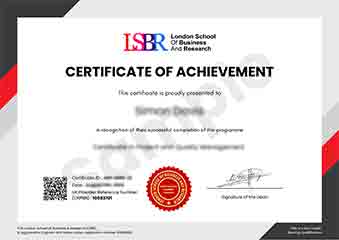
Sample Certificate
Preview the certificate you'll receive upon successful completion of this program.
Get Free Course Info
Enter your details and we'll send you a comprehensive course information pack straight to your inbox.
Employer Sponsored Training
Let your employer invest in your professional development. Request a corporate invoice and get your training funded.
Request Corporate InvoiceWhat People Say About Us
Hear from our students about their experience with the Executive Development Programme in Practical Threat Modeling Techniques for DevSecOps at LSBRX - Executive Education.
Sophie Brown
United Kingdom"The course provided a comprehensive understanding of threat modeling techniques, which has significantly enhanced my ability to secure software systems. Gaining hands-on experience in practical DevSecOps strategies has been invaluable for my career in cybersecurity."
Fatimah Ibrahim
Malaysia"The Executive Development Programme in Practical Threat Modeling Techniques for DevSecOps has significantly enhanced my ability to identify and mitigate security risks in real-world scenarios, making me a more valuable asset in my organization and opening up new opportunities for career advancement. This course bridges the gap between theoretical knowledge and practical application, equipping me with the skills needed to contribute effectively to DevSecOps initiatives."
Brandon Wilson
United States"The course structure is well-organized, providing a clear path from foundational concepts to advanced threat modeling techniques, which has greatly enhanced my ability to apply these skills in real-world DevSecOps scenarios. It has significantly boosted my professional growth by equipping me with practical tools and methodologies to enhance system security."