
Executive Development Programme in Prosthetic Component Selection Guide
This programme equips executives with expert knowledge in prosthetic component selection, enhancing clinical outcomes and patient care.
Executive Development Programme in Prosthetic Component Selection Guide
Programme Overview
The Executive Development Programme in Prosthetic Component Selection Guide is designed for healthcare professionals, including prosthetists, orthotists, medical device representatives, and healthcare managers who are committed to enhancing their expertise in prosthetic technology. This program focuses on providing a comprehensive understanding of the latest prosthetic components, materials, and technology, as well as the clinical implications and patient outcomes associated with their selection. Participants will gain insights into evidence-based practices, regulatory compliance, and patient-centered care, ensuring they are equipped to make informed decisions that significantly impact patient rehabilitation and quality of life.
Key skills and knowledge developed through this program include advanced knowledge of prosthetic components, including their mechanical properties, fit, function, and integration with the human body. Learners will develop critical skills in assessing patient needs, interpreting clinical data, and selecting the most appropriate prosthetic solutions. The program also emphasizes communication and collaboration skills, enabling participants to effectively work with multidisciplinary teams and educate patients and their families on prosthetic care.
The career impact of this program is substantial, as participants will be better positioned to lead in their professional roles, innovate in their practice, and contribute to research and development in prosthetic technology. They will be equipped to drive improvements in patient care, enhance clinical outcomes, and contribute to the advancement of the prosthetics industry, thereby positively influencing the lives of individuals with limb differences.
What You'll Learn
The Executive Development Programme in Prosthetic Component Selection Guide is designed for professionals seeking to advance their expertise in prosthetic technology and patient care. This comprehensive program equips participants with the latest knowledge and skills in prosthetic component selection, ensuring they can make informed decisions that enhance patient outcomes. Key topics include advanced prosthetic materials, clinical assessment techniques, and current trends in prosthetic design. Participants engage in hands-on workshops, interactive case studies, and expert-led seminars, fostering a deeper understanding of the complexities involved in prosthetic selection.
Upon completion, graduates will be well-prepared to lead teams in prosthetic fitting and rehabilitation, ensuring that patients receive the most appropriate and effective prosthetic solutions. They will also have the capability to collaborate with multidisciplinary teams, contributing to the development of innovative treatment plans. This program opens up a range of career opportunities, including prosthetic fitting specialists, rehabilitation coordinators, and clinical research professionals. Graduates are uniquely positioned to drive advancements in prosthetics, enhancing patient care and quality of life.
Programme Highlights
Industry-Aligned Curriculum
Developed with industry leaders for job-ready skills valued by employers worldwide.
Globally Recognised Certificate
Recognised by employers across 180+ countries as a mark of professional excellence.
Flexible Online Learning
Study at your own pace with lifetime access to all course materials and updates.
Instant Access
Start learning immediately — no application process or waiting period required.
Constantly Updated Content
Stay ahead with the latest industry trends, best practices, and emerging insights.
Career Advancement
87% of graduates report measurable career progression within 6 months of completion.
Topics Covered
- 1. Introduction to Prosthetic Components: Learners will study the fundamental concepts of prosthetic components, including types, materials, and basic functionality. They will gain an understanding of how different components contribute to the overall performance of a prosthetic device.
- 2. Prosthetic Component Materials: This module covers the properties and applications of various materials used in prosthetic components. Learners will learn to identify the most suitable materials for specific prosthetic needs and understand the impact of material selection on device performance.
- 3. Prosthetic Socket Design: Learners will delve into the design principles of prosthetic sockets, focusing on custom socket fabrication techniques and the importance of a proper fit for patient comfort and function.
- 4. Advanced Socket Design Techniques: This module explores advanced socket design techniques, including computer-aided design (CAD) software applications, 3D printing, and other innovative methods to enhance socket design and patient outcomes.
- 5. Prosthetic Lining Materials and Customization: Learners will study different lining materials and their properties, as well as methods for customizing linings to improve comfort and fit. Practical skills in fabricating and fitting liners will be developed.
- 6. Prosthetic Component Sizing and Measurement: This module focuses on the accurate measurement and sizing of prosthetic components to ensure proper fit and function. Practical exercises in taking precise measurements will be included.
- 7. Prosthetic Component Assembly: Learners will gain hands-on experience in assembling prosthetic components, focusing on the proper alignment and integration of various parts to create a functional device.
- 8. Advanced Prosthetic Component Selection: This advanced module covers the selection of prosthetic components for complex cases, including those with multiple disabilities or unique anatomical challenges. Practical scenarios will be used to develop decision-making skills.
- 9. Prosthetic Component Maintenance and Repair: Learners will learn about the maintenance and repair procedures for prosthetic components, including cleaning, lubrication, and common repairs to extend the life of the device.
- 10. Prosthetic Component Management in Clinical Practice: This module covers the practical aspects of managing prosthetic components in a clinical setting, including inventory management, documentation, and collaboration with interdisciplinary teams.
What You Get When You Enroll
Secure checkout • Instant access • Certificate included
Key Facts
Audience: Medical professionals, prosthetists
Prerequisites: Basic anatomy knowledge
Outcomes: Enhanced component selection skills, improved patient care
Ready to get started?
Join thousands of professionals who already took the next step. Enroll now and get instant access.
Enroll Now — $199Why This Course
Enhanced Professional Competence: Participating in the Executive Development Programme in Prosthetic Component Selection Guide equips professionals with the latest knowledge and skills in prosthetic technology. This program offers in-depth insights into various prosthetic components, their applications, and selection criteria, which are crucial for improving patient care and outcomes. For instance, understanding the biomechanical properties of different materials can lead to more personalized and effective prosthetic solutions.
Leadership and Decision-Making Skills: The program focuses on fostering leadership qualities and advanced decision-making abilities, essential for managing complex medical conditions. Professionals will learn to navigate the ethical considerations and regulatory frameworks surrounding prosthetic component selection, enabling them to make informed decisions that benefit both patients and the healthcare organization. This skill set is particularly valuable in leadership roles where strategic planning and resource allocation are key.
Networking and Collaboration Opportunities: Engaging in this programme opens doors to a network of professionals and industry leaders who are experts in prosthetic innovation and patient care. These connections can lead to collaborative projects, shared knowledge, and potential partnerships. For example, networking with leading prosthetic manufacturers can provide access to cutting-edge technologies and enhance professional visibility within the field.
By investing in this programme, professionals can significantly bolster their career prospects, enhance patient care, and contribute to the advancement of prosthetic technology.
Your Path to Certification
Trusted by Professionals Worldwide
Course Brochure
Download our comprehensive course brochure with all details
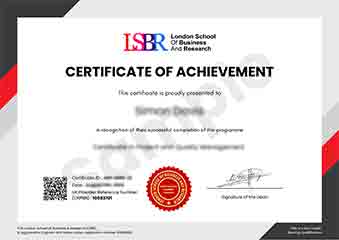
Sample Certificate
Preview the certificate you'll receive upon successful completion of this program.
Get Free Course Info
Enter your details and we'll send you a comprehensive course information pack straight to your inbox.
Employer Sponsored Training
Let your employer invest in your professional development. Request a corporate invoice and get your training funded.
Request Corporate InvoiceWhat People Say About Us
Hear from our students about their experience with the Executive Development Programme in Prosthetic Component Selection Guide at LSBRX - Executive Education.
Charlotte Williams
United Kingdom"The course provided an in-depth guide to prosthetic component selection, equipping me with practical skills to assess and choose the right components for patients. It significantly enhanced my ability to improve patient outcomes and has been invaluable for my career in prosthetics."
Mei Ling Wong
Singapore"The Executive Development Programme in Prosthetic Component Selection Guide has significantly enhanced my ability to make informed decisions in my role, aligning closely with industry standards and practices. This course has not only deepened my technical skills but also opened up new career opportunities by positioning me as a more valuable asset in my organization."
Arjun Patel
India"The course structure was meticulously organized, making it easy to navigate through complex topics in prosthetic component selection, which significantly enhanced my understanding and application of the knowledge in real-world scenarios. It provided a solid foundation for professional growth in the field."