
Executive Development Programme in Qualitative Research Techniques
Enhance qualitative research skills, deepen analytical abilities, and drive strategic insights for leadership through our Executive Development Programme in Qualitative Research Techniques.
Executive Development Programme in Qualitative Research Techniques
Programme Overview
The Executive Development Programme in Qualitative Research Techniques is designed for senior executives and mid-level managers in various industries who seek to enhance their research capabilities and strategic decision-making skills. This program equips participants with advanced methodologies and practical tools for conducting qualitative research, including in-depth interviewing, focus group discussions, and ethnographic research. It also covers the interpretation of qualitative data and the integration of research findings into organizational strategy.
Participants will develop a robust set of skills, including the ability to design and implement effective qualitative research studies, analyze complex data sets, and synthesize research findings to drive organizational change. They will also gain expertise in using qualitative methods to address strategic challenges and improve business outcomes. The program emphasizes practical applications, ensuring that learners can immediately apply their new knowledge and skills in their professional roles.
The career impact of this program is significant, as participants will be better equipped to lead research-driven initiatives, make informed strategic decisions, and enhance their organizations' competitive edge. Graduates of the programme will be distinguished by their ability to navigate complex research landscapes, leading to improved decision-making processes and fostering a culture of evidence-based management.
What You'll Learn
The Executive Development Programme in Qualitative Research Techniques is tailored for seasoned professionals seeking to enhance their research capabilities and expand their analytical toolbox. This program offers a comprehensive exploration of qualitative research methodologies, including case studies, interviews, and ethnography, underscoring their application in diverse business contexts. Participants will delve into the nuances of participant observation, focus groups, and content analysis, equipping them with the skills to gather and interpret rich, detailed data.
By the end of the program, graduates will become adept at designing and implementing qualitative research projects that drive strategic decision-making. They will learn to apply these skills to uncover market trends, improve customer satisfaction, and foster innovation within their organizations. This program is invaluable for those aiming to lead cross-functional teams, manage research projects, or develop new product lines based on in-depth understanding of consumer needs.
Career opportunities abound for program graduates. They may advance into roles such as research lead, market analyst, or business intelligence manager, where they can leverage their qualitative research expertise to gain competitive advantages. The program also prepares graduates for certifications in qualitative research, enhancing their professional profile and opening doors to leadership positions in research and development.
Programme Highlights
Industry-Aligned Curriculum
Developed with industry leaders for job-ready skills valued by employers worldwide.
Globally Recognised Certificate
Recognised by employers across 180+ countries as a mark of professional excellence.
Flexible Online Learning
Study at your own pace with lifetime access to all course materials and updates.
Instant Access
Start learning immediately — no application process or waiting period required.
Constantly Updated Content
Stay ahead with the latest industry trends, best practices, and emerging insights.
Career Advancement
87% of graduates report measurable career progression within 6 months of completion.
Topics Covered
- 1. Introduction to Qualitative Research: Learners will understand the fundamental concepts and principles of qualitative research, including its philosophical underpinnings, research designs, and ethical considerations. They will gain foundational skills in formulating research questions and selecting appropriate data collection methods.
- 2. Data Collection Methods in Qualitative Research: This module covers various techniques for collecting qualitative data, such as interviews, focus groups, and ethnography. Learners will learn how to design and conduct effective data collection sessions and will practice these skills through hands-on exercises.
- 3. Qualitative Data Analysis: Learners will explore methods for analyzing qualitative data, including coding, thematic analysis, and discourse analysis. They will develop skills in using qualitative data analysis software and will practice applying these techniques to case studies.
- 4. Narrative Analysis: This module focuses on analyzing narratives as a form of qualitative data. Learners will study how to interpret and analyze stories and narratives, including their structure and themes, and will practice applying narrative analysis to real-world research scenarios.
- 5. Grounded Theory: Students will delve into the method of grounded theory, learning how to generate theory from qualitative data systematically. They will learn to identify patterns and construct theories based on data, and will apply this method through practical exercises.
- 6. Case Study Research: This module covers the design and implementation of case study research. Learners will learn how to select cases, develop case study designs, and analyze case data. Practical sessions will include case study design and data collection.
- 7. Mixed Methods Research: Learners will explore how qualitative and quantitative methods can be combined in mixed methods research designs. They will learn to integrate qualitative and quantitative data collection and analysis, and will practice designing mixed methods studies.
- 8. Reporting Qualitative Research: This module focuses on the presentation and dissemination of qualitative research findings. Learners will learn how to write effective research reports, including the use of appropriate visualization techniques, and will practice presenting qualitative research findings in various formats.
- 9. Advanced Qualitative Research Techniques: Students will be introduced to advanced techniques such as visual methods, digital ethnography, and participatory action research. They will gain hands-on experience with these methods and will learn how to apply them in real-world research contexts.
- 10. Final Research Project: Learners will apply the skills and knowledge gained throughout the programme by designing and implementing an independent research project. They will receive guidance and support from programme instructors as they conduct their research and prepare a final report.
What You Get When You Enroll
Secure checkout • Instant access • Certificate included
Key Facts
Target Audience: Researchers, managers, data analysts
Prerequisites: Basic research skills, familiarity with data analysis
Outcomes: Expertise in qualitative research, enhanced analytical skills, practical research projects
Ready to get started?
Join thousands of professionals who already took the next step. Enroll now and get instant access.
Enroll Now — $199Why This Course
Expanding Analytical Skills: An Executive Development Programme in Qualitative Research Techniques equips professionals with advanced methodologies for data collection and analysis. This deepens their ability to interpret nuanced and complex information, which can significantly enhance decision-making processes in their roles. For instance, market researchers can gain insights into consumer behavior that traditional quantitative methods might overlook, leading to more effective strategies.
Diverse Methodological Approaches: The programme introduces a range of qualitative techniques, such as focus groups, in-depth interviews, and ethnography. These tools are invaluable for understanding the contextual variables that influence business outcomes. For example, a business analyst can use qualitative methods to uncover unmet customer needs, which can then be addressed to improve product development and customer satisfaction.
Enhancing Leadership and Communication Skills: Engaging in qualitative research often requires effective communication and leadership to manage diverse teams and stakeholders. The programme not only teaches theoretical knowledge but also practical skills in these areas. For example, managers can better guide their teams in conducting qualitative studies, ensuring that the insights gathered are actionable and aligned with business goals.
Your Path to Certification
Trusted by Professionals Worldwide
Course Brochure
Download our comprehensive course brochure with all details
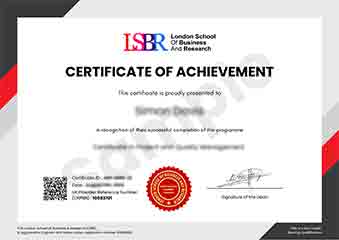
Sample Certificate
Preview the certificate you'll receive upon successful completion of this program.
Get Free Course Info
Enter your details and we'll send you a comprehensive course information pack straight to your inbox.
Employer Sponsored Training
Let your employer invest in your professional development. Request a corporate invoice and get your training funded.
Request Corporate InvoiceWhat People Say About Us
Hear from our students about their experience with the Executive Development Programme in Qualitative Research Techniques at LSBRX - Executive Education.
James Thompson
United Kingdom"The Executive Development Programme in Qualitative Research Techniques provided me with a deep understanding of qualitative research methods and their practical applications, which has significantly enhanced my analytical skills and career prospects in market research."
Greta Fischer
Germany"The Executive Development Programme in Qualitative Research Techniques has significantly enhanced my ability to conduct in-depth market research, which has been crucial for my recent project at work. This skill has not only improved my analytical capabilities but also opened up new opportunities for career advancement in my field."
Rahul Singh
India"The course structure was well-organized, providing a comprehensive overview of qualitative research techniques that directly enhanced my ability to apply these methods in real-world scenarios, significantly boosting my professional growth."