
Executive Development Programme in Requirement Analysis for User-Centric Design
This programme enhances leaders' skills in requirement analysis to create user-centric designs, driving innovation and user satisfaction.
Executive Development Programme in Requirement Analysis for User-Centric Design
Programme Overview
The Executive Development Programme in Requirement Analysis for User-Centric Design is designed for executives, product managers, and designers who are responsible for ensuring that user needs are accurately captured and that designs meet user expectations. This comprehensive programme equips participants with the skills to conduct thorough requirement analysis through user-centered design methodologies, fostering an environment where innovation and user satisfaction are prioritized. Participants will learn to design products that not only meet but exceed user needs by leveraging cutting-edge tools and techniques for requirement gathering, personas development, and user journey mapping.
Key skills and knowledge developed through this programme include advanced user research methods, such as ethnographic studies and usability testing, as well as the ability to build user personas and create user journey maps. Learners will also master the use of requirement elicitation techniques, including interviews, surveys, and workshops, to ensure that all stakeholder needs are considered. Additionally, participants will gain proficiency in prioritizing requirements, aligning them with business objectives, and using agile methodologies to deliver user-centered solutions.
This programme significantly impacts careers by enhancing participants' ability to lead cross-functional teams, drive innovation, and improve product-market fit. By adopting a user-centric approach to requirement analysis, executives and designers can create more effective and user-friendly products, leading to higher customer satisfaction, increased adoption, and competitive advantage in the market.
What You'll Learn
The Executive Development Programme in Requirement Analysis for User-Centric Design is an intensive, three-month course designed to transform business leaders into adept requirement analysts and user-centric designers. This program equips participants with the skills to lead teams in understanding user needs, translating them into actionable product requirements, and delivering designs that meet user expectations. Key topics include user research methodologies, data-driven decision-making, and design thinking principles. Graduates will learn to facilitate workshops, conduct user interviews, and analyze user feedback to inform design and development processes.
By the end of the program, participants will have developed a robust portfolio of user-centric design projects, ready to implement in their professional work. This program is ideal for executives seeking to enhance their strategic design capabilities or those looking to pivot into user experience leadership roles. Graduates are well-prepared to advance into senior design management positions, project leadership roles, or consultancies focused on user experience and product development.
With a curriculum that blends theoretical knowledge with practical application, this program offers a unique blend of skills necessary for excelling in today’s technology-driven business environment. Participants will emerge with a clear understanding of how to drive innovation, improve user satisfaction, and ensure that their organizations remain competitive in the market.
Programme Highlights
Industry-Aligned Curriculum
Developed with industry leaders for job-ready skills valued by employers worldwide.
Globally Recognised Certificate
Recognised by employers across 180+ countries as a mark of professional excellence.
Flexible Online Learning
Study at your own pace with lifetime access to all course materials and updates.
Instant Access
Start learning immediately — no application process or waiting period required.
Constantly Updated Content
Stay ahead with the latest industry trends, best practices, and emerging insights.
Career Advancement
87% of graduates report measurable career progression within 6 months of completion.
Topics Covered
- 1. Introduction to User-Centric Design: Learners will understand the importance of user-centric design and explore foundational concepts such as user personas and user journey mapping. They will gain skills in creating initial user profiles and basic journey maps.
- 2. Conducting User Research: This module covers various methods of user research, including interviews, surveys, and usability testing. Learners will learn how to design and conduct effective user research sessions and analyze the results to inform design decisions.
- 3. Requirement Analysis Techniques: Focusing on requirement gathering and analysis, learners will study techniques such as interviews, workshops, and task analysis. They will gain skills in identifying and documenting user requirements accurately.
- 4. User Experience (UX) Prototyping: Learners will learn how to create both low-fidelity and high-fidelity prototypes using various tools and methods. They will practice translating user research findings into design solutions and testing prototypes with real users.
- 5. Interaction Design Principles: This module delves into the principles of interaction design, including usability, consistency, and accessibility. Learners will apply these principles to enhance the user experience and develop user-friendly interfaces.
- 6. Visual Design Fundamentals: Covering the basics of visual design, learners will study color theory, typography, and layout principles. They will practice applying these principles to design elements and create visually appealing interfaces.
- 7. Advanced User Journey Mapping: Building on foundational concepts, this module explores advanced techniques in user journey mapping, including emotional journey mapping and service blueprinting. Learners will develop skills in creating comprehensive journey maps that cover the entire user experience.
- 8. Accessibility and Inclusive Design: This module focuses on the principles of accessibility and inclusive design, covering topics such as WCAG guidelines and inclusive user personas. Learners will learn how to design products that are accessible to all users and meet legal and ethical standards.
- 9. User-Centric Design in Agile Environments: Learners will explore how to integrate user-centric design practices into agile development processes. They will practice iterative design and testing, and learn how to collaborate effectively with cross-functional teams.
- 10. Case Studies and Portfolio Development: Through real-world case studies, learners will analyze successful user-centric design projects and identify key takeaways. They will develop a personal portfolio showcasing their design projects and skills, preparing them for professional opportunities in user-centric design.
What You Get When You Enroll
Secure checkout • Instant access • Certificate included
Key Facts
Audience: Professionals in product management, UX design
Prerequisites: Basic understanding of user experience
Outcomes: Enhanced skills in requirement analysis, user-centric design
Ready to get started?
Join thousands of professionals who already took the next step. Enroll now and get instant access.
Enroll Now — $199Why This Course
Enhance User-Centric Design Skills: The Executive Development Programme in Requirement Analysis for User-Centric Design focuses on equipping professionals with the skills to understand and interpret user needs accurately. This is crucial as it enables them to design products and services that truly meet user expectations, leading to higher customer satisfaction and better business outcomes.
Improve Requirement Analysis Techniques: The program offers advanced methodologies for requirement analysis, which are essential for identifying key user needs and translating them into actionable design requirements. This skill is particularly valuable in today’s data-driven market, where detailed and accurate requirements are critical for successful product development.
Foster Innovation and Creativity: By integrating user insights with technical capabilities, the programme encourages a creative approach to problem-solving. This not only enhances the innovativeness of the design process but also fosters a user-focused mindset within teams, driving innovation and differentiation in the market.
Your Path to Certification
Trusted by Professionals Worldwide
Course Brochure
Download our comprehensive course brochure with all details
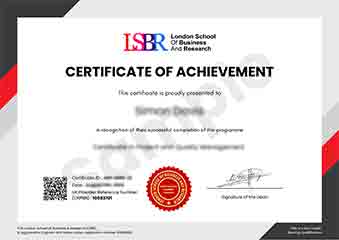
Sample Certificate
Preview the certificate you'll receive upon successful completion of this program.
Get Free Course Info
Enter your details and we'll send you a comprehensive course information pack straight to your inbox.
Employer Sponsored Training
Let your employer invest in your professional development. Request a corporate invoice and get your training funded.
Request Corporate InvoiceWhat People Say About Us
Hear from our students about their experience with the Executive Development Programme in Requirement Analysis for User-Centric Design at LSBRX - Executive Education.
Charlotte Williams
United Kingdom"The course provided in-depth material on requirement analysis, which significantly enhanced my ability to design user-centric solutions. I gained practical skills that have already proven invaluable in my current role, allowing me to better understand and meet user needs."
Tyler Johnson
United States"The Executive Development Programme in Requirement Analysis for User-Centric Design has significantly enhanced my ability to understand user needs and translate them into effective product requirements. This skill has not only improved my current role but also opened up new opportunities for career advancement in user experience design."
Isabella Dubois
Canada"The course structure was meticulously organized, seamlessly integrating theoretical concepts with practical, real-world applications that significantly enhanced my understanding of user-centric design. It provided a comprehensive framework that has greatly benefited my professional growth in requirement analysis."