
Executive Development Programme in River Flow Management Techniques
This programme equips executives with advanced river flow management techniques, enhancing strategic decision-making and sustainable water resource management.
Executive Development Programme in River Flow Management Techniques
Programme Overview
The Executive Development Programme in River Flow Management Techniques is designed for senior-level professionals in the water resources sector, including engineers, environmental managers, and policy-makers. This program aims to equip participants with advanced knowledge and practical skills in sustainable river flow management, ensuring they can effectively address complex environmental challenges and contribute to the development of resilient water systems. Key areas covered include hydrological modeling, integrated water resources management, climate change adaptation strategies, and innovative technologies for water conservation and flood risk mitigation.
Participants will develop essential competencies such as strategic planning, risk assessment, and stakeholder engagement, which are crucial for optimizing river flow management. They will also gain proficiency in using advanced software tools for water resource analysis and decision-making, as well as learn to formulate and implement effective policies to manage water resources sustainably. This comprehensive training will enable executives to make informed decisions, drive innovation, and enhance the sustainability and resilience of water management practices.
The career impact of this program is significant, as participants will be well-prepared to lead projects and initiatives that address critical water management challenges. Upon completion, they will be equipped to drive organizational change, enhance operational efficiency, and contribute to broader societal goals in water resource management. The program's practical approach and focus on real-world applications ensure that graduates are not only knowledgeable but also highly capable in their roles, setting them apart as leaders in the field.
What You'll Learn
The Executive Development Programme in River Flow Management Techniques is designed for leaders in water resource management, urban planning, and environmental conservation. This transformative programme equips participants with advanced skills in managing river flows sustainably, addressing critical challenges such as flood mitigation, water supply, and ecosystem health. Through a blend of theoretical instruction and practical workshops, learners gain expertise in cutting-edge technologies, policy frameworks, and collaborative strategies essential for effective river basin management.
Participants will delve into key topics including hydrological modeling, environmental impact assessment, and stakeholder engagement. They learn to apply these skills in real-world scenarios, working on case studies that mirror current industry challenges. The programme fosters a deep understanding of sustainable practices and the importance of interdisciplinary collaboration, preparing graduates to lead successful projects that balance ecological, social, and economic needs.
Upon completion, graduates are well-prepared to take on senior roles in government agencies, non-profit organizations, and private sector firms. They can spearhead initiatives that enhance water security, promote biodiversity, and support resilient communities. This programme not only advances professional careers but also contributes to the global effort in sustainable water resource management, ensuring that future generations benefit from healthy, thriving river systems.
Programme Highlights
Industry-Aligned Curriculum
Developed with industry leaders for job-ready skills valued by employers worldwide.
Globally Recognised Certificate
Recognised by employers across 180+ countries as a mark of professional excellence.
Flexible Online Learning
Study at your own pace with lifetime access to all course materials and updates.
Instant Access
Start learning immediately — no application process or waiting period required.
Constantly Updated Content
Stay ahead with the latest industry trends, best practices, and emerging insights.
Career Advancement
87% of graduates report measurable career progression within 6 months of completion.
Topics Covered
- 1. Introduction to River Flow Management: Learners will study the basic principles of river flow and the importance of managing water resources. They will gain an understanding of the hydrological cycle and how it affects river systems.
- 2. River Basin Management and Planning: Learners will explore the planning and management of river basins, including the development of sustainable water management plans. They will learn how to assess and manage water resources in a basin context.
- 3. Hydrological Data Collection and Analysis: This module focuses on the collection and analysis of hydrological data. Learners will gain skills in using various tools and techniques to measure and interpret river flow data.
- 4. River Flow Modeling: Learners will study the use of models to predict river flow under different conditions. They will learn how to develop, validate, and apply river flow models using software tools.
- 5. Flood Risk Management: This module covers the assessment and management of flood risks in river systems. Learners will learn how to develop flood risk management strategies and understand the role of infrastructure in flood prevention.
- 6. Sustainable Water Use and Conservation: Learners will study the principles of sustainable water use and conservation practices. They will learn how to manage water resources in a way that supports ecological health and meets human needs.
- 7. Integrated River Basin Management: This module focuses on the integration of various management approaches to achieve sustainable water resource management. Learners will learn how to coordinate efforts among different stakeholders.
- 8. Policy and Regulatory Frameworks for River Flow Management: Learners will study the policy and regulatory frameworks that govern river flow management. They will learn how to navigate these frameworks and advocate for effective water management practices.
- 9. Case Studies in River Flow Management: This module provides learners with the opportunity to study real-world case studies of river flow management. They will analyze best practices and challenges faced in various river systems.
- 10. Leadership and Strategic Planning in River Flow Management: Learners will develop their leadership skills and learn how to implement strategic plans for river flow management. They will practice decision-making and problem-solving in complex river management scenarios.
What You Get When You Enroll
Secure checkout • Instant access • Certificate included
Key Facts
Audience: Environmental managers, water engineers
Prerequisites: Basic understanding of hydrology, years' experience
Outcomes: Enhanced flow management skills, improved decision-making, certified
Ready to get started?
Join thousands of professionals who already took the next step. Enroll now and get instant access.
Enroll Now — $199Why This Course
Enhance Leadership Skills: Participation in the Executive Development Programme in River Flow Management Techniques equips professionals with advanced leadership competencies, enabling them to guide and motivate teams effectively in complex projects. This skill set is particularly valuable in water resource management, where strategic planning and collaboration are crucial.
Specialized Technical Knowledge: The programme offers in-depth training on cutting-edge river flow management techniques, including hydrological modeling, sustainable water resource planning, and environmental impact assessment. These skills are essential for addressing contemporary water challenges and making informed decisions that balance ecological, social, and economic needs.
Networking Opportunities: Engaging with peers and industry experts from diverse backgrounds provides a platform for professional growth. Attendees can forge valuable connections that lead to collaborative projects, mentorship, and career advancement opportunities within the growing field of water management.
Compliance and Innovation: Understanding and implementing best practices in river flow management ensures compliance with regulatory standards and environmental laws. Concurrently, the programme fosters innovation, encouraging participants to develop and apply new methodologies that can improve water resource management efficiency and sustainability.
Your Path to Certification
Trusted by Professionals Worldwide
Course Brochure
Download our comprehensive course brochure with all details
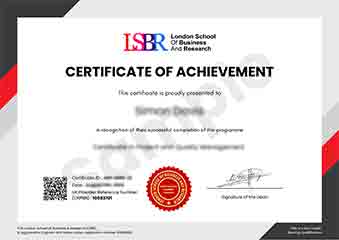
Sample Certificate
Preview the certificate you'll receive upon successful completion of this program.
Get Free Course Info
Enter your details and we'll send you a comprehensive course information pack straight to your inbox.
Employer Sponsored Training
Let your employer invest in your professional development. Request a corporate invoice and get your training funded.
Request Corporate InvoiceWhat People Say About Us
Hear from our students about their experience with the Executive Development Programme in River Flow Management Techniques at LSBRX - Executive Education.
Charlotte Williams
United Kingdom"The course provided an in-depth look at river flow management techniques, equipping me with practical skills that I can directly apply in my role. Gaining a deeper understanding of hydrology and water resource management has opened up new career opportunities and enhanced my problem-solving abilities."
Jia Li Lim
Singapore"The Executive Development Programme in River Flow Management Techniques has significantly enhanced my ability to address real-world water management challenges, making my expertise highly relevant in the industry. This program has not only deepened my technical skills but also provided me with practical tools to advance my career in environmental engineering."
Greta Fischer
Germany"The course structure is well-organized, providing a clear pathway to understanding complex river flow management techniques, which has significantly enhanced my ability to apply these concepts in real-world scenarios, fostering my professional growth in the field."