
Executive Development Programme in Simulating Urban Energy Grids with Quantum Computing
This programme equips executives with the knowledge to simulate and optimize urban energy grids using quantum computing, driving efficiency and sustainability.
Executive Development Programme in Simulating Urban Energy Grids with Quantum Computing
Programme Overview
The Executive Development Programme in Simulating Urban Energy Grids with Quantum Computing is designed for mid-to-senior level professionals in the energy sector, including energy managers, grid operators, and technology leaders. This programme equips participants with the cutting-edge skills necessary to harness quantum computing for optimizing and managing urban energy grids. Participants will learn to apply quantum algorithms and simulations to predict energy demand, manage energy distribution more efficiently, and integrate renewable energy sources, thereby enhancing the resilience and sustainability of urban energy systems.
Key skills and knowledge developed through this programme include a deep understanding of quantum computing fundamentals, the ability to model and simulate energy grid operations using quantum algorithms, and proficiency in using advanced quantum computing software and tools. Participants will also gain insights into the integration of quantum computing with existing energy infrastructure and will be prepared to lead or contribute to quantum-enhanced energy projects.
The programme has a significant career impact, enabling participants to lead innovative projects that leverage quantum computing to address complex energy challenges. Graduates will be well-positioned to drive organizational change, implement quantum-based solutions, and contribute to the development of more sustainable and efficient urban energy systems.
What You'll Learn
Embark on a transformative journey with our Executive Development Programme in Simulating Urban Energy Grids with Quantum Computing. This pioneering programme equips you with the advanced skills needed to harness quantum computing's potential in optimizing urban energy systems. You will delve into complex algorithms and simulations that predict energy consumption, enhance grid efficiency, and reduce carbon footprints. Through hands-on workshops, you'll learn to model and solve real-world energy challenges using quantum technologies, preparing you to lead innovation in the energy sector.
Graduates of this programme will be well-prepared to tackle the most pressing energy issues in urban environments, from smart grid management to sustainable energy solutions. You will gain insights into the strategic deployment of quantum computing in energy infrastructure, enabling you to make informed decisions that drive operational efficiencies and sustainability.
This programme opens doors to a multitude of career opportunities in energy companies, research institutions, and governmental organizations. Positions such as Quantum Energy Analyst, Smart Grid Manager, and Renewable Energy Consultant are within reach, offering the chance to shape the future of urban energy systems. Whether you're an industry leader looking to integrate quantum technologies into your business model or a researcher aiming to advance the field, this programme provides the knowledge and skills to excel.
Programme Highlights
Industry-Aligned Curriculum
Developed with industry leaders for job-ready skills valued by employers worldwide.
Globally Recognised Certificate
Recognised by employers across 180+ countries as a mark of professional excellence.
Flexible Online Learning
Study at your own pace with lifetime access to all course materials and updates.
Instant Access
Start learning immediately — no application process or waiting period required.
Constantly Updated Content
Stay ahead with the latest industry trends, best practices, and emerging insights.
Career Advancement
87% of graduates report measurable career progression within 6 months of completion.
Topics Covered
- 1. Introduction to Quantum Computing: Learners will study the basic principles of quantum mechanics and how they relate to quantum computing, gaining foundational knowledge necessary for understanding more complex concepts. They will also learn to use quantum simulators to model simple quantum circuits.
- 2. Quantum Algorithms for Energy Grids: This module covers key quantum algorithms and their application in optimizing energy grid operations, focusing on techniques such as Grover's algorithm and quantum annealing. Learners will apply these algorithms to real-world energy grid scenarios.
- 3. Quantum Simulation Basics: Learners will delve into the principles of quantum simulation, including how to model quantum systems using quantum computers. They will also learn to simulate basic quantum systems using software tools.
- 4. Quantum Machine Learning for Energy Data: This module introduces quantum machine learning techniques and their potential applications in energy forecasting and grid management. Learners will apply quantum algorithms to analyze energy data and predict consumption patterns.
- 5. Quantum Control and Optimization: Focusing on advanced control techniques, learners will explore how to optimize energy grid operations using quantum algorithms. They will learn to implement and analyze quantum control strategies.
- 6. Quantum Cryptography for Secure Grids: This module covers the basics of quantum cryptography, including quantum key distribution (QKD) and its role in securing energy grid communications. Learners will gain hands-on experience with QKD protocols.
- 7. Quantum Computing Hardware Overview: Learners will study the current landscape of quantum computing hardware, including various architectures and qubit types. They will also learn about the challenges and advancements in quantum hardware.
- 8. Urban Energy Grid Case Studies: This module involves analyzing real-world urban energy grids using quantum computing techniques. Learners will work on case studies to optimize grid operations, improve energy efficiency, and enhance grid resilience.
- 9. Advanced Quantum Algorithms for Grid Optimization: Focusing on advanced algorithms, learners will explore cutting-edge techniques for optimizing energy grids, such as variational quantum eigensolvers and quantum approximate optimization algorithms (QAOA).
- 10. Quantum Computing in Urban Energy Grids: Future Directions: This final module will discuss the future of quantum computing in urban energy grids, including potential breakthroughs, challenges, and the integration of quantum technologies into existing grid infrastructures. Learners will present their research findings and participate in discussions on future trends.
What You Get When You Enroll
Secure checkout • Instant access • Certificate included
Key Facts
Audience: Urban planners, energy specialists, tech leaders
Prerequisites: Basic knowledge of energy systems, quantum computing
Outcomes: Enhanced grid simulation skills, quantum computing proficiency, strategic planning abilities
Ready to get started?
Join thousands of professionals who already took the next step. Enroll now and get instant access.
Enroll Now — $199Why This Course
Enhance Expertise in Quantum Computing: This program equips professionals with cutting-edge knowledge in quantum computing, a rapidly evolving field that promises to revolutionize energy grid management. By mastering quantum algorithms tailored for urban energy systems, participants can stay ahead in their careers and contribute to more efficient, sustainable grid operations.
Develop Innovative Problem-Solving Skills: Through hands-on simulation exercises, participants learn to apply quantum computing techniques to real-world energy challenges. This hands-on experience fosters a deeper understanding of how to optimize energy distribution, reduce waste, and enhance grid resilience, making professionals more adept at solving complex problems in their organizations.
Network with Industry Leaders: The program connects participants with experts and professionals from various sectors, including energy companies, quantum technology firms, and research institutions. These networking opportunities can lead to collaborative projects, mentorship, and career advancement. Moreover, such interactions can provide insights into emerging trends and best practices in urban energy grid management, ensuring participants remain at the forefront of their field.
Your Path to Certification
Trusted by Professionals Worldwide
Course Brochure
Download our comprehensive course brochure with all details
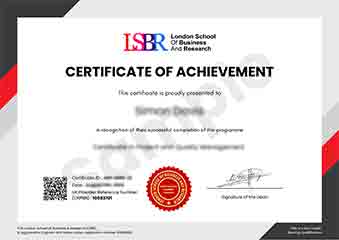
Sample Certificate
Preview the certificate you'll receive upon successful completion of this program.
Get Free Course Info
Enter your details and we'll send you a comprehensive course information pack straight to your inbox.
Employer Sponsored Training
Let your employer invest in your professional development. Request a corporate invoice and get your training funded.
Request Corporate InvoiceWhat People Say About Us
Hear from our students about their experience with the Executive Development Programme in Simulating Urban Energy Grids with Quantum Computing at LSBRX - Executive Education.
Oliver Davies
United Kingdom"The course content was incredibly detailed and well-structured, providing a solid foundation in simulating urban energy grids with quantum computing. I gained valuable practical skills that will undoubtedly enhance my career prospects in the tech and energy sectors."
Emma Tremblay
Canada"This course has been instrumental in bridging the gap between theoretical quantum computing and practical urban energy grid management. It has not only enhanced my technical skills but also provided me with a competitive edge in the job market, opening up new opportunities in the field of smart city technologies."
Sophie Brown
United Kingdom"The course structure was meticulously organized, providing a seamless transition from foundational concepts to advanced applications in simulating urban energy grids with quantum computing, which greatly enhanced my understanding and practical skills in this field. It offered a wealth of real-world applications that bridged theory with practical professional growth."