
Executive Development Programme in Space Robotics: Mapping Techniques and Tools
This programme equips executives with advanced knowledge of space robotics mapping techniques and tools, enhancing strategic decision-making and innovation in the aerospace sector.
Executive Development Programme in Space Robotics: Mapping Techniques and Tools
Programme Overview
The Executive Development Programme in Space Robotics: Mapping Techniques and Tools is a comprehensive initiative designed for professionals in the aerospace and robotics sectors, including engineers, scientists, and managers who are looking to enhance their expertise in space robotics and advanced mapping technologies. The program delves into the latest methodologies and tools for creating detailed maps of celestial bodies, leveraging both traditional and cutting-edge robotics and artificial intelligence techniques. Participants will gain a deep understanding of mission planning, sensor integration, data analysis, and autonomous navigation systems, equipping them with the knowledge to contribute to the advancement of space exploration.
Through hands-on workshops, case studies, and expert-led seminars, learners will develop key skills such as the ability to design and implement complex robotic systems for space missions, apply advanced mapping algorithms to process large datasets, and collaborate effectively in interdisciplinary teams. They will also master the use of specialized software and hardware that are pivotal in the field, ensuring they are well-prepared to tackle the unique challenges of space robotics.
The career impact of this program is significant, as graduates will be well-positioned to lead or contribute to cutting-edge space exploration projects, innovate in space robotics technology, and drive advancements in related fields. The program fosters a network of professionals who are at the forefront of space research and development, opening doors to leadership roles and opportunities for groundbreaking contributions to the space industry.
What You'll Learn
Explore the frontier of space exploration with the Executive Development Programme in Space Robotics: Mapping Techniques and Tools. This cutting-edge program equips professionals with the skills to design, implement, and optimize robotic systems for planetary exploration. Through hands-on workshops, you'll master advanced mapping techniques and gain proficiency in the latest space robotics software and hardware. The curriculum includes case studies of successful space missions, focusing on the integration of autonomous navigation and data analysis tools.
Upon completion, participants will be well-prepared to lead projects that require precise spatial understanding and efficient use of robotic resources. Whether in academia, industry, or government, graduates can contribute to mission planning, system design, and operational strategies for space missions. Opportunities abound for those who wish to advance the frontiers of robotic exploration, from Mars rovers to lunar landers. This program not only enhances technical expertise but also fosters a deep understanding of the challenges and innovations in space robotics, positioning you as a leader in the field.
Programme Highlights
Industry-Aligned Curriculum
Developed with industry leaders for job-ready skills valued by employers worldwide.
Globally Recognised Certificate
Recognised by employers across 180+ countries as a mark of professional excellence.
Flexible Online Learning
Study at your own pace with lifetime access to all course materials and updates.
Instant Access
Start learning immediately — no application process or waiting period required.
Constantly Updated Content
Stay ahead with the latest industry trends, best practices, and emerging insights.
Career Advancement
87% of graduates report measurable career progression within 6 months of completion.
Topics Covered
- 1. Introduction to Space Robotics: Learners will study the basics of space robotics, including the history, applications, and challenges in space exploration. They will gain foundational knowledge on the types of space robots and their roles in space missions.
- 2. Space Environment and Robotic Design: This module covers the space environment and its impact on robotic design, focusing on radiation, temperature extremes, and micrometeoroids. Learners will understand how these factors influence the development of space robots and practical design considerations.
- 3. Sensing and Perception in Space Robotics: Learners will explore various sensing technologies used in space robotics, such as cameras, LIDAR, and radar. They will learn about perception algorithms and how they are applied to navigate and interact with the space environment.
- 4. Mapping Techniques for Space Robotics: This module introduces different mapping techniques used in space robotics, including SLAM (Simultaneous Localization and Mapping) and grid-based mapping. Learners will gain practical skills in creating and updating maps for robotic navigation.
- 5. Autonomous Navigation in Space: Learners will study advanced navigation techniques for autonomous space robots, including global positioning systems and path planning. They will practice implementing these techniques to enable robots to navigate complex space environments.
- 6. Teleoperation and Remote Control: This module focuses on the principles and techniques of teleoperation and remote control of space robots. Learners will learn about communication delays, control methods, and the design of user interfaces for remote operation.
- 7. Robotic Tools and Their Applications: Learners will examine various tools used in space robotics, such as drilling, sampling, and repair tools. They will explore the design, operation, and application of these tools in space missions.
- 8. Integration of Mapping Techniques and Tools: This module integrates the mapping techniques and tools studied in previous modules. Learners will work on projects that combine mapping, navigation, and robotic operations to solve real-world space robotics challenges.
- 9. Advanced Robotic Control Systems: Learners will delve into advanced control systems for space robots, including model-based control, adaptive control, and reinforcement learning. They will develop and test control algorithms for robotic tasks in space.
- 10. Space Robotics Case Studies and Best Practices: This module reviews case studies of successful space robotics missions and explores best practices in the field. Learners will analyze key factors that contributed to mission success and identify lessons learned for future robotic missions.
What You Get When You Enroll
Secure checkout • Instant access • Certificate included
Key Facts
Audience: Executives in robotics, space technology
Prerequisites: Basic understanding of robotics, space exploration
Outcomes: Enhanced knowledge in mapping techniques, tools adoption, strategic planning
Ready to get started?
Join thousands of professionals who already took the next step. Enroll now and get instant access.
Enroll Now — $199Why This Course
Enhanced Career Opportunities: Professionals in space robotics can significantly expand their career prospects by participating in an Executive Development Programme in Space Robotics: Mapping Techniques and Tools. This program equips them with specialized knowledge in mapping techniques and cutting-edge tools, which are in high demand as the space industry grows. Graduates are well-prepared to tackle complex challenges in spacecraft navigation, planetary exploration, and habitat construction, making them invaluable assets in research institutions, aerospace companies, and government agencies.
Skill Diversification: The program offers a comprehensive curriculum that goes beyond technical skills, focusing on leadership, strategic thinking, and innovation. Participants learn to integrate advanced mapping technologies with traditional space robotics techniques, fostering a versatile skill set. This diversification not only enhances their professional capabilities but also positions them to lead interdisciplinary teams, contributing to more innovative and efficient project outcomes.
Networking and Industry Connections: The program facilitates meaningful connections with industry leaders, researchers, and fellow professionals through workshops, seminars, and networking events. These relationships can lead to collaborations, mentorship opportunities, and potential job openings in top-tier organizations. By building a robust professional network, participants are better equipped to navigate industry trends and stay ahead in their careers.
Your Path to Certification
Trusted by Professionals Worldwide
Course Brochure
Download our comprehensive course brochure with all details
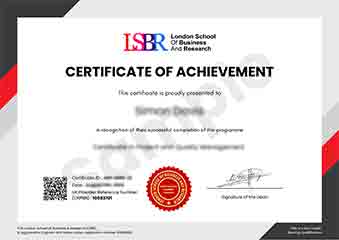
Sample Certificate
Preview the certificate you'll receive upon successful completion of this program.
Get Free Course Info
Enter your details and we'll send you a comprehensive course information pack straight to your inbox.
Employer Sponsored Training
Let your employer invest in your professional development. Request a corporate invoice and get your training funded.
Request Corporate InvoiceWhat People Say About Us
Hear from our students about their experience with the Executive Development Programme in Space Robotics: Mapping Techniques and Tools at LSBRX - Executive Education.
Oliver Davies
United Kingdom"The course provided an in-depth look at advanced mapping techniques in space robotics, which significantly enhanced my technical skills and understanding of the field. I gained practical knowledge that I can directly apply to real-world projects, making it highly beneficial for my career in space technology."
Zoe Williams
Australia"This course has significantly enhanced my understanding of advanced mapping techniques in space robotics, making my resume more competitive in the aerospace industry. It provided practical tools and insights that I can directly apply to improve mission planning and execution in my current role."
Greta Fischer
Germany"The course structure was meticulously organized, seamlessly integrating theoretical concepts with practical applications, which significantly enhanced my understanding of space robotics and mapping techniques. It provided a robust foundation, equipping me with valuable skills for real-world challenges in the field."