
Executive Development Programme in Stem Cell Transplantation Techniques
This program equips executives with advanced knowledge and insights into stem cell transplantation techniques, enhancing strategic decision-making and operational efficiency.
Executive Development Programme in Stem Cell Transplantation Techniques
Programme Overview
The Executive Development Programme in Stem Cell Transplantation Techniques is designed for healthcare professionals, including clinicians, researchers, and medical administrators involved in hematological and oncological care. This comprehensive programme equips participants with advanced understanding and practical skills in the latest stem cell transplantation methodologies, including autologous and allogeneic transplants, and the application of stem cell therapies in treating hematological disorders and other diseases. The curriculum covers key areas such as patient selection, preparative regimens, stem cell harvest, transplantation procedures, and post-transplant management, alongside ethical and regulatory considerations in stem cell research and therapy.
Participants will develop essential skills in clinical decision-making, patient management, and operational logistics of stem cell transplantation programs. They will also gain proficiency in the use of advanced technologies and tools for stem cell processing, as well as an in-depth knowledge of the biological principles underlying stem cell biology and transplantation. Additionally, the programme emphasizes interdisciplinary collaboration and leadership, preparing professionals to lead and manage complex healthcare initiatives that integrate stem cell transplantation into clinical practice.
The programme has a significant impact on the career trajectory of participants, enhancing their expertise and positioning them as leaders in stem cell transplantation. Graduates will be better equipped to innovate and improve patient care through the application of cutting-edge transplantation techniques, contributing to advancements in the field and advancing patient outcomes in stem cell therapy.
What You'll Learn
Embark on a transformative journey with our Executive Development Programme in Stem Cell Transplantation Techniques. Tailored for seasoned healthcare professionals and executives, this program equips you with the latest advancements and practical skills in stem cell transplantation. Participants will delve into the intricacies of current and emerging stem cell technologies, explore the complexities of patient selection, and gain insights into the latest clinical trials and research.
The curriculum is designed to foster a deep understanding of the biological underpinnings of stem cell therapies, along with the regulatory and ethical considerations that shape the field. Through interactive workshops, expert-led sessions, and hands-on training, you will learn to lead multidisciplinary teams, drive innovation, and navigate the challenges of implementing stem cell therapies in clinical settings.
Upon completion, graduates will be well-prepared to lead advancements in stem cell research and clinical practice. They will have the knowledge and skills to innovate in clinical settings, enhance patient outcomes, and contribute to the continuous improvement of stem cell transplantation protocols. Career opportunities abound, including leadership roles in research institutions, hospitals, and biotech companies, as well as roles in policy and regulatory affairs.
Join this program to become a leader in the field of stem cell transplantation, driving progress and improving lives through cutting-edge medical science.
Programme Highlights
Industry-Aligned Curriculum
Developed with industry leaders for job-ready skills valued by employers worldwide.
Globally Recognised Certificate
Recognised by employers across 180+ countries as a mark of professional excellence.
Flexible Online Learning
Study at your own pace with lifetime access to all course materials and updates.
Instant Access
Start learning immediately — no application process or waiting period required.
Constantly Updated Content
Stay ahead with the latest industry trends, best practices, and emerging insights.
Career Advancement
87% of graduates report measurable career progression within 6 months of completion.
Topics Covered
- 1. Introduction to Stem Cells and Transplantation: Learners will explore the basic biology of stem cells and the principles of transplantation. They will gain foundational knowledge about types of stem cells and the process of transplantation, preparing them for more advanced topics.
- 2. Immune System and Transplantation: This module delves into the immune system's role in transplantation and the mechanisms of immune rejection. Learners will understand the importance of immune modulation and graft-versus-host disease (GVHD) prevention strategies.
- 3. Hematopoietic Stem Cell Transplantation: Focusing on hematopoietic stem cells, learners will study the preparation of donors and recipients, the process of stem cell collection, and the transplantation procedure. Practical skills will include understanding the use of mobilizing agents and the importance of conditioning regimens.
- 4. Non-Hematopoietic Stem Cell Transplants: This module covers the use of stem cells for conditions other than blood disorders. Learners will study the specific techniques and protocols involved in transplanting mesenchymal stem cells and other non-hematopoietic stem cells.
- 5. Advanced Cell Processing Techniques: Learners will learn about advanced methods for cell processing and manipulation, including cryopreservation, quality control, and ex vivo expansion of stem cells. Practical skills include hands-on experience with cell handling and processing equipment.
- 6. Complications and Management in Stem Cell Transplantation: This module focuses on the management of complications such as infections, graft failure, and GVHD. Learners will study diagnostic tools and therapeutic interventions to prevent and manage these complications.
- 7. Pharmacology in Stem Cell Transplantation: Learners will study the pharmacological aspects of stem cell transplantation, including immunosuppressive drugs, anti-infective agents, and supportive care medications. Practical skills include understanding drug dosing, interactions, and monitoring parameters.
- 8. Clinical Trials and Regulatory Aspects: This module covers the design and conduct of clinical trials in stem cell transplantation, including regulatory requirements and ethical considerations. Learners will gain insight into the process of developing and approving new transplantation therapies.
- 9. Molecular Biology and Genetic Testing in Transplantation: Focusing on molecular biology techniques, this module teaches learners how to use genetic testing to identify potential donors, predict transplant outcomes, and monitor for genetic risks. Practical skills include hands-on experience with PCR, sequencing, and other genetic testing methods.
- 10. Leadership and Management in Stem Cell Transplantation Clinics: This final module equips learners with the skills needed to lead and manage a stem cell transplantation clinic. Topics include patient care, team management, quality assurance, and healthcare policy. Learners will develop strategies for effective communication and conflict resolution in a clinical setting.
What You Get When You Enroll
Secure checkout • Instant access • Certificate included
Key Facts
Audience: Medical professionals, researchers
Prerequisites: Basic medical knowledge, experience in hematology
Outcomes: Master stem cell transplant techniques, enhance clinical skills
Ready to get started?
Join thousands of professionals who already took the next step. Enroll now and get instant access.
Enroll Now — $199Why This Course
Enhance Expertise: Participating in an Executive Development Programme in Stem Cell Transplantation Techniques equips professionals with advanced knowledge and hands-on training in the latest procedures and technologies. This enhances their ability to perform complex transplantations accurately and efficiently, making them highly valuable in the field.
Career Advancement: The programme not only deepens technical skills but also fosters leadership and management competencies. These skills are crucial for career progression, enabling professionals to take on more significant roles and responsibilities, such as supervising transplant teams or leading research projects.
Stay Updated: The field of stem cell transplantation is rapidly evolving. The programme ensures that participants are up-to-date with the latest research findings, clinical trials, and regulatory changes, helping them to innovate and contribute effectively to advancements in the field.
Networking Opportunities: The programme offers a platform to connect with leading experts, peers, and industry leaders. These networks can lead to collaborations, mentorship, and opportunities for career growth, both in terms of professional development and personal connections within the industry.
Your Path to Certification
Trusted by Professionals Worldwide
Course Brochure
Download our comprehensive course brochure with all details
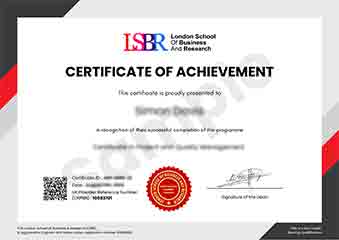
Sample Certificate
Preview the certificate you'll receive upon successful completion of this program.
Get Free Course Info
Enter your details and we'll send you a comprehensive course information pack straight to your inbox.
Employer Sponsored Training
Let your employer invest in your professional development. Request a corporate invoice and get your training funded.
Request Corporate InvoiceWhat People Say About Us
Hear from our students about their experience with the Executive Development Programme in Stem Cell Transplantation Techniques at LSBRX - Executive Education.
James Thompson
United Kingdom"The course content was incredibly detailed and up-to-date, providing a solid foundation in stem cell transplantation techniques that have directly enhanced my practical skills in the field. Gaining this knowledge has significantly boosted my career prospects and confidence in handling complex cases."
Oliver Davies
United Kingdom"This course has significantly enhanced my understanding of stem cell transplantation techniques, making me more competitive in the job market. The practical applications and industry-relevant content have directly contributed to my career advancement by equipping me with the latest knowledge and skills needed in the field."
Oliver Davies
United Kingdom"The course structure was meticulously organized, providing a seamless transition from theoretical concepts to practical applications in stem cell transplantation techniques, which significantly enhanced my understanding and prepared me for real-world challenges."