
Executive Development Programme in Threat Actor Attribution and Analysis
This programme equips executives with advanced skills in threat actor identification and analysis, enhancing cybersecurity strategy and response.
Executive Development Programme in Threat Actor Attribution and Analysis
Programme Overview
The Executive Development Programme in Threat Actor Attribution and Analysis is a comprehensive initiative designed for senior executives, security leaders, and professionals in the cybersecurity field who are responsible for making strategic decisions based on threat intelligence. This program equips participants with advanced methodologies and techniques for identifying, analyzing, and attributing cyber threats, enhancing their ability to protect critical assets and inform coherent security strategies.
Participants will gain key skills in threat intelligence collection, analysis, and sharing, as well as expertise in threat actor profiling, forensic analysis, and incident response. They will learn to leverage big data and advanced analytics to uncover patterns and predict potential threats. The program also emphasizes the importance of integrating threat intelligence into broader organizational strategies, improving decision-making processes, and fostering collaboration across different teams and stakeholders.
The career impact of this program is significant, as graduates will be better positioned to lead organizations through emerging cyber threats, enhance their organization's resilience, and contribute to the development of more robust cybersecurity frameworks. The program’s curriculum is designed to bridge the gap between technical expertise and strategic leadership, ensuring that executives can make informed, data-driven decisions that align with their organization’s goals and objectives.
What You'll Learn
The Executive Development Programme in Threat Actor Attribution and Analysis is designed for senior professionals seeking to enhance their strategic capabilities in cybersecurity. This program equips participants with advanced skills in threat intelligence, enabling them to identify and analyze cyber threats efficiently. Key topics include threat actor profiling, threat intelligence frameworks, and advanced analytics tools. Graduates will learn to lead comprehensive threat assessments and develop robust security strategies that protect against sophisticated cyber threats.
By the end of the program, participants will be able to integrate threat intelligence into their organization's cybersecurity posture, fostering a proactive approach to security. They will also gain insights into the latest trends in cyber threats and the methodologies used by threat actors. This knowledge is invaluable for senior executives who need to make informed decisions about cybersecurity investments and policies.
This program opens career opportunities in senior leadership roles within cybersecurity, including Chief Information Security Officers (CISOs), threat intelligence directors, and strategic cybersecurity consultants. Graduates will be well-prepared to navigate the complex landscape of cyber threats and contribute to the development of innovative security solutions that safeguard against evolving cyber risks.
Programme Highlights
Industry-Aligned Curriculum
Developed with industry leaders for job-ready skills valued by employers worldwide.
Globally Recognised Certificate
Recognised by employers across 180+ countries as a mark of professional excellence.
Flexible Online Learning
Study at your own pace with lifetime access to all course materials and updates.
Instant Access
Start learning immediately — no application process or waiting period required.
Constantly Updated Content
Stay ahead with the latest industry trends, best practices, and emerging insights.
Career Advancement
87% of graduates report measurable career progression within 6 months of completion.
Topics Covered
- 1. Introduction to Threat Actor Attribution and Analysis: Learners will understand foundational concepts of threat actor identification and analysis, including key terminologies, common threat types, and the importance of attribution in cybersecurity. They will gain the ability to identify different threat actors and understand the initial steps in conducting an attribution analysis.
- 2. Cyber Threat Intelligence Gathering: This module covers the methods and tools for gathering cyber threat intelligence from various sources, including open-source intelligence and proprietary data. Learners will practice collecting and analyzing data to build a comprehensive threat landscape.
- 3. Digital Forensics Basics: Learners will study the principles of digital forensics and the tools used in investigating cyber incidents. They will learn to collect, preserve, analyze, and report digital evidence to support threat actor attribution.
- 4. Analyzing Indicators of Compromise (IoCs): This module focuses on identifying and analyzing IoCs such as malware signatures, network anomalies, and unusual user behavior. Learners will practice using IoCs to track and attribute threat actors.
- 5. Advanced Threat Hunting Techniques: Building on basic hunting techniques, this module delves into advanced methodologies for identifying and responding to sophisticated threats. Learners will apply these techniques to real-world scenarios and understand how to use automation in threat hunting.
- 6. Threat Actor Motivations and Behaviors: This module explores the motivations and tactics of different types of threat actors, including state-sponsored, hacktivists, and cybercriminals. Learners will gain insights into how these actors operate and the implications for cybersecurity strategies.
- 7. Attribution Frameworks and Methods: Learners will study various frameworks and methods used in attributing cyber threats, including the use of data correlation and pattern recognition. They will apply these methods to case studies and practice exercises to improve their attribution skills.
- 8. Legal and Ethical Considerations in Threat Actor Attribution: This module discusses the legal and ethical implications of conducting threat actor attribution, including data privacy, compliance with international laws, and ethical hacking practices. Learners will learn to navigate these challenges in a professional setting.
- 9. Collaborative Threat Intelligence Sharing: This module covers the principles and practices of sharing threat intelligence across organizations and sectors, including the use of threat intelligence platforms and collaboration frameworks. Learners will practice building and contributing to threat intelligence communities.
- 10. Emerging Threats and Future Trends in Attribution: The final module examines emerging threats and future trends in the field of threat actor attribution, including advancements in AI and machine learning. Learners will explore how these technologies can be leveraged to enhance attribution capabilities and prepare for evolving cyber threats.
What You Get When You Enroll
Secure checkout • Instant access • Certificate included
Key Facts
Audience: Cybersecurity professionals, analysts
Prerequisites: Basic cybersecurity knowledge, data analysis skills
Outcomes: Expertise in threat actor profiling, advanced analysis techniques
Ready to get started?
Join thousands of professionals who already took the next step. Enroll now and get instant access.
Enroll Now — $199Why This Course
Enhance Analytical Skills: The programme equips professionals with advanced analytical tools and methodologies for threat actor attribution, improving their ability to analyze complex cyber threats. This skill is crucial for identifying patterns and understanding the motivations behind cyber attacks, which is vital for effective cybersecurity strategies.
Boost Career Opportunities: Participants gain in-depth knowledge of threat intelligence, enhancing their employability in roles such as threat analysts, security consultants, and cybersecurity managers. The programme provides a competitive edge in the job market by aligning skills with current industry needs.
Strengthen Security Measures: By learning to attribute threats accurately, professionals can better understand potential vulnerabilities and develop more robust security measures. This capability is essential for protecting sensitive data and critical infrastructure, reducing the risk of breaches.
Network with Industry Experts: The programme offers a platform to connect with leading experts in cybersecurity, professionals from various sectors, and academic researchers. These networks can provide valuable insights, mentorship, and collaboration opportunities, fostering innovation and professional growth.
Your Path to Certification
Trusted by Professionals Worldwide
Course Brochure
Download our comprehensive course brochure with all details
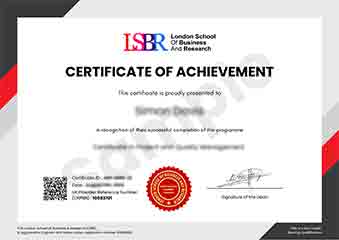
Sample Certificate
Preview the certificate you'll receive upon successful completion of this program.
Get Free Course Info
Enter your details and we'll send you a comprehensive course information pack straight to your inbox.
Employer Sponsored Training
Let your employer invest in your professional development. Request a corporate invoice and get your training funded.
Request Corporate InvoiceWhat People Say About Us
Hear from our students about their experience with the Executive Development Programme in Threat Actor Attribution and Analysis at LSBRX - Executive Education.
James Thompson
United Kingdom"The course content was incredibly detailed and well-researched, providing a solid foundation in threat actor attribution and analysis that has greatly enhanced my analytical skills. I now feel much more prepared to tackle real-world cybersecurity challenges."
Wei Ming Tan
Singapore"The Executive Development Programme in Threat Actor Attribution and Analysis has significantly enhanced my ability to analyze cyber threats, making me a more valuable asset in my organization. This program has not only deepened my technical skills but also provided me with practical tools to contribute to our security strategies, leading to tangible career growth."
Fatimah Ibrahim
Malaysia"The course is meticulously structured, offering a seamless progression from foundational concepts to advanced analytical techniques, which significantly enhances one's ability to tackle complex threat scenarios. The comprehensive content not only deepens my understanding but also equips me with practical skills that are directly applicable in real-world threat analysis."