
Executive Development Programme in Understanding and Implementing Allergy Protocols
This programme equips executives with the knowledge and skills to understand and implement effective allergy protocols, enhancing safety and compliance in their organizations.
Executive Development Programme in Understanding and Implementing Allergy Protocols
Programme Overview
The Executive Development Programme in Understanding and Implementing Allergy Protocols is designed for senior leaders and managers in the healthcare, food service, and pharmaceutical industries who are responsible for ensuring the safety and well-being of individuals with allergies. This comprehensive programme delves into the latest research, international standards, and best practices in managing allergic reactions, focusing on the development, implementation, and continuous improvement of allergen control measures. Participants will learn to create and manage effective allergy protocols, enhance emergency response procedures, and foster a culture of awareness and inclusion within their organizations.
Key skills and knowledge developed include an in-depth understanding of the physiological impacts of various allergies, the legal and regulatory frameworks governing food allergen management, and the application of advanced risk assessment techniques. Learners will also gain proficiency in developing and implementing comprehensive training programs for staff, creating allergen-free products, and leveraging technology to monitor and mitigate allergen risks. These skills are essential for addressing the growing complexity of food allergies and ensuring the safety of consumers.
This programme significantly impacts career progression by positioning executives as leaders in allergen management, enabling them to contribute to safer environments and more resilient organizations. Graduates will be better equipped to navigate the challenges of allergen control, enhance operational efficiency, and demonstrate a commitment to public health and safety. The programme also facilitates networking with industry experts and peers, providing valuable insights and opportunities for collaboration.
What You'll Learn
The Executive Development Programme in Understanding and Implementing Allergy Protocols is a comprehensive initiative designed for executives and managers in the healthcare, pharmaceutical, and food industries. This program equips participants with the knowledge and skills necessary to navigate the complexities of allergy management, ensuring the safety and well-being of individuals with allergies.
Key topics include the latest research in allergy science, effective communication strategies for allergy management, legal and regulatory frameworks, and advanced protocols for emergency response. Participants will also engage in case studies and practical exercises to apply these concepts in real-world scenarios, enhancing their ability to lead and manage allergy-related initiatives within their organizations.
Upon completion, graduates will be well-prepared to implement robust allergy protocols, ensuring compliance and safety in their respective industries. This program opens up a range of career opportunities, including roles in allergy management, regulatory affairs, product development, and patient care. Graduates can lead initiatives that improve patient outcomes, drive innovation in allergy treatment, and enhance corporate reputation through responsible allergen management.
Programme Highlights
Industry-Aligned Curriculum
Developed with industry leaders for job-ready skills valued by employers worldwide.
Globally Recognised Certificate
Recognised by employers across 180+ countries as a mark of professional excellence.
Flexible Online Learning
Study at your own pace with lifetime access to all course materials and updates.
Instant Access
Start learning immediately — no application process or waiting period required.
Constantly Updated Content
Stay ahead with the latest industry trends, best practices, and emerging insights.
Career Advancement
87% of graduates report measurable career progression within 6 months of completion.
Topics Covered
- 1. Introduction to Allergy Protocols: Learners will understand the basics of allergic reactions, types of allergies, and the importance of allergy protocols in healthcare and hospitality settings. They will gain foundational knowledge to recognize common symptoms and develop initial response strategies.
- 2. Legal and Ethical Considerations in Allergy Management: This module covers the legal requirements and ethical guidelines for handling allergies in various settings. Learners will learn to navigate legal issues and ensure they are providing ethical care to individuals with allergies.
- 3. Identification and Management of Common Allergens: Learners will study the most prevalent allergens and how to identify and manage them effectively. Practical skills include reading food labels, recognizing allergen sources in various environments, and implementing appropriate management strategies.
- 4. Developing Allergy Awareness Training Programs: This module focuses on creating comprehensive training programs for staff and customers. Learners will gain skills in designing, implementing, and evaluating training initiatives to ensure all participants are well-informed about allergy management.
- 5. Emergency Response Protocols for Severe Allergic Reactions: Learners will learn how to recognize and respond to severe allergic reactions, including anaphylaxis. They will gain hands-on experience in using epinephrine auto-injectors and other emergency equipment.
- 6. Collaborative Care Models for Allergy Management: This module explores the importance of interdisciplinary collaboration in allergy management. Learners will develop skills in working with healthcare professionals, foodservice providers, and other stakeholders to create cohesive care plans.
- 7. Implementing Allergy Protocols in Various Settings: Learners will apply allergy protocols in different settings such as schools, hospitals, and restaurants. They will learn to adapt and customize protocols to fit specific environments and needs.
- 8. Advanced Allergy Management Techniques: This advanced module covers cutting-edge techniques and innovations in allergy management. Learners will explore new research and technologies and how to integrate them into existing protocols.
- 9. Continuous Improvement in Allergy Protocols: This module focuses on ongoing evaluation and improvement of allergy management practices. Learners will learn to conduct audits, gather feedback, and make data-driven decisions to enhance allergy protocols continuously.
- 10. Leadership in Allergy Management: In this final module, learners will develop leadership skills to guide and mentor others in allergy management. They will learn to inspire and motivate teams to maintain high standards of care and continuously improve allergy protocols.
What You Get When You Enroll
Secure checkout • Instant access • Certificate included
Key Facts
Audience: Healthcare professionals, facility managers
Prerequisites: Basic medical knowledge, familiarity with workplace protocols
Outcomes: Enhanced understanding of allergy protocols, improved implementation skills
Ready to get started?
Join thousands of professionals who already took the next step. Enroll now and get instant access.
Enroll Now — $199Why This Course
Enhancing Expertise: Participating in an Executive Development Programme in Understanding and Implementing Allergy Protocols equips professionals with in-depth knowledge about allergy management. This includes recognizing various types of allergies, understanding the legal and ethical responsibilities, and learning the latest diagnostic techniques. Such expertise is crucial for roles in healthcare, nutrition, and public health, significantly enhancing career prospects and job security.
Skill Development: The programme focuses on practical skills like effective communication, leadership, and strategic planning. These skills are invaluable in managing allergic reactions, developing policies, and leading teams. For example, professionals can learn to communicate allergy risks clearly to patients and staff, thereby reducing the risk of allergic emergencies.
Career Advancement: With specialized knowledge and skills, professionals can take on more complex roles and responsibilities. The programme prepares individuals to oversee allergy protocols in hospitals, schools, and large organizations. Advanced positions such as Chief Allergy Officers or Director of Allergy Management are more attainable post-programme, offering higher salaries and greater job satisfaction.
Industry Relevance: As allergies become more prevalent, the demand for professionals trained in allergy management is increasing. The programme ensures that participants are at the forefront of this growing field. By staying current with the latest research and protocols, professionals can contribute effectively to public health initiatives and patient care, making a significant impact in their careers.
Your Path to Certification
Trusted by Professionals Worldwide
Course Brochure
Download our comprehensive course brochure with all details
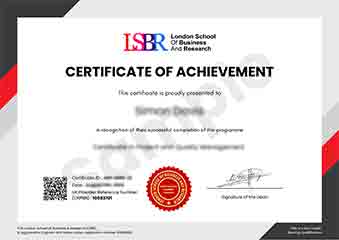
Sample Certificate
Preview the certificate you'll receive upon successful completion of this program.
Get Free Course Info
Enter your details and we'll send you a comprehensive course information pack straight to your inbox.
Employer Sponsored Training
Let your employer invest in your professional development. Request a corporate invoice and get your training funded.
Request Corporate InvoiceWhat People Say About Us
Hear from our students about their experience with the Executive Development Programme in Understanding and Implementing Allergy Protocols at LSBRX - Executive Education.
Oliver Davies
United Kingdom"The course content was incredibly detailed and well-structured, providing a solid foundation in allergy protocols that I can directly apply in my role. Gaining practical skills to manage allergic reactions in various settings has been invaluable for my career."
Hans Weber
Germany"This course has significantly enhanced my understanding of allergy protocols, making me more adept at handling sensitive situations in the workplace. It has not only broadened my skill set but also opened up new career opportunities in a more specialized field."
Hans Weber
Germany"The course structure was meticulously organized, making it easy to navigate through complex allergy protocols, which significantly enhanced my understanding and ability to implement them effectively in a professional setting. The comprehensive content provided real-world applications that were directly relevant to my work, leading to substantial professional growth."