
Executive Development Programme in Virtual Care Delivery Models
This programme equips executives with strategic insights and practical skills for successful implementation and leadership in virtual care delivery models.
Executive Development Programme in Virtual Care Delivery Models
Programme Overview
The Executive Development Programme in Virtual Care Delivery Models is designed for healthcare executives and leaders who are committed to advancing their knowledge and skills in digital health and virtual care. This program focuses on providing a comprehensive understanding of the latest trends, technologies, and best practices in virtual care delivery, including remote patient monitoring, telehealth, and digital therapeutics. Participants will explore the integration of virtual care into existing healthcare systems, patient engagement strategies, and the ethical and regulatory considerations that are critical in the virtual care landscape.
Through interactive case studies, expert guest lectures, and hands-on workshops, learners will develop key skills such as strategic planning for virtual care initiatives, leadership in digital health transformation, and the ability to manage virtual care operations effectively. They will also gain knowledge in leveraging data analytics for patient outcomes, understanding payer dynamics in the virtual care space, and fostering a culture of innovation within their organizations.
The programme's impact on careers is significant, equipping leaders with the tools and insights necessary to drive innovation and improve patient care through virtual means. Graduates can expect to enhance their decision-making capabilities, expand their professional network, and position themselves as leaders in the evolving healthcare field. This program not only advances careers but also contributes to the broader goal of improving healthcare accessibility and quality through the effective use of virtual care models.
What You'll Learn
The Executive Development Programme in Virtual Care Delivery Models is designed for healthcare leaders aiming to transform their organizations through innovative virtual care strategies. This program equips participants with the latest insights and skills to lead successful virtual healthcare initiatives, focusing on topics such as telemedicine technologies, patient engagement strategies, and digital health policy. Graduates will learn to implement robust virtual care frameworks that enhance patient outcomes and operational efficiency. The curriculum is enriched with case studies from global healthcare leaders, interactive workshops, and personalized mentorship from industry experts. Upon completion, participants will be well-prepared to oversee the integration of virtual care into their organizations, opening up a range of career opportunities in chief digital health officers, virtual care directors, and innovation leaders. This program not only deepens your expertise but also positions you as a visionary in the evolving healthcare landscape.
Programme Highlights
Industry-Aligned Curriculum
Developed with industry leaders for job-ready skills valued by employers worldwide.
Globally Recognised Certificate
Recognised by employers across 180+ countries as a mark of professional excellence.
Flexible Online Learning
Study at your own pace with lifetime access to all course materials and updates.
Instant Access
Start learning immediately — no application process or waiting period required.
Constantly Updated Content
Stay ahead with the latest industry trends, best practices, and emerging insights.
Career Advancement
87% of graduates report measurable career progression within 6 months of completion.
Topics Covered
- 1. Introduction to Virtual Care Delivery Models: Learners will explore the basics of virtual care, including definitions, benefits, and challenges. They will gain foundational knowledge on how virtual care delivery models operate and the importance of these models in modern healthcare.
- 2. Technology Fundamentals for Virtual Care: This module covers essential technologies used in virtual care, such as telecommunication tools, secure platforms, and patient monitoring devices. Learners will develop skills in selecting and integrating appropriate technology solutions.
- 3. Legal and Ethical Considerations in Virtual Care: Learners will study the legal and ethical frameworks governing virtual care, including privacy, consent, and data security. They will learn how to ensure compliance with relevant laws and regulations and maintain patient trust.
- 4. Patient Engagement and Communication Strategies: This module focuses on effective communication techniques and patient engagement strategies in virtual care settings. Learners will practice skills in building rapport, managing complex conversations, and ensuring clear communication using digital tools.
- 5. Remote Monitoring and Patient Management: Learners will delve into the use of remote monitoring technologies and tools for patient management. They will gain skills in setting up and managing remote monitoring programs, interpreting patient data, and providing timely interventions.
- 6. Advanced Virtual Care Techniques: This module explores advanced techniques in virtual care, such as virtual reality, artificial intelligence, and predictive analytics. Learners will understand how these technologies can enhance patient care and develop skills in applying them in clinical practice.
- 7. Leadership in Virtual Care: This module examines leadership roles and responsibilities in virtual care delivery. Learners will learn about effective leadership strategies, team management, and change management in virtual care settings.
- 8. Case Studies in Virtual Care Delivery: Through in-depth case studies, learners will analyze real-world examples of successful virtual care programs. They will gain insights into best practices and learn how to address common challenges in implementing virtual care initiatives.
- 9. Strategic Planning for Virtual Care Programs: Learners will develop skills in strategic planning for virtual care programs, including setting goals, defining scope, and measuring outcomes. They will learn to create a comprehensive plan that aligns with organizational objectives.
- 10. Continuous Improvement in Virtual Care: This module focuses on continuous improvement methodologies and tools for virtual care. Learners will learn how to implement and sustain quality improvement initiatives, ensuring ongoing enhancement of virtual care services.
What You Get When You Enroll
Secure checkout • Instant access • Certificate included
Key Facts
Audience: Healthcare leaders, managers
Prerequisites: Basic healthcare management experience
Outcomes: Enhanced virtual care delivery skills, improved leadership in technology integration
Ready to get started?
Join thousands of professionals who already took the next step. Enroll now and get instant access.
Enroll Now — $199Why This Course
Adapting to Technological Changes: As healthcare shifts towards virtual care, professionals who undertake the Executive Development Programme in Virtual Care Delivery Models can stay at the forefront of this transformation. The program equips them with the latest technology and tools, essential for providing effective virtual care. For example, participants learn how to leverage telehealth platforms, manage remote patient monitoring, and ensure secure data transmission, which are crucial for maintaining patient trust and satisfaction.
Enhancing Leadership Skills: The programme focuses on developing leadership competencies necessary for managing virtual care teams. Participants learn to lead cross-functional teams effectively, fostering a culture of innovation and adaptability. This can enhance their ability to drive organizational change and improve patient outcomes, making them indispensable in leadership roles within healthcare organizations.
Expanding Professional Network: Engaging in such a programme provides access to a network of industry leaders and peers. These connections can lead to collaborative opportunities, mentorship, and career advancement. Moreover, the programme often includes real-world case studies and simulations, which allow professionals to apply theoretical knowledge in practical scenarios, thereby deepening their expertise and confidence in virtual care delivery.
Your Path to Certification
Trusted by Professionals Worldwide
Course Brochure
Download our comprehensive course brochure with all details
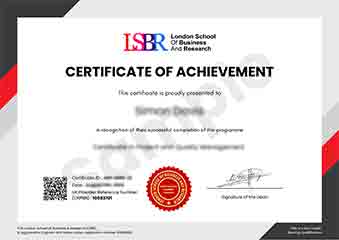
Sample Certificate
Preview the certificate you'll receive upon successful completion of this program.
Get Free Course Info
Enter your details and we'll send you a comprehensive course information pack straight to your inbox.
Employer Sponsored Training
Let your employer invest in your professional development. Request a corporate invoice and get your training funded.
Request Corporate InvoiceWhat People Say About Us
Hear from our students about their experience with the Executive Development Programme in Virtual Care Delivery Models at LSBRX - Executive Education.
James Thompson
United Kingdom"The course content was incredibly comprehensive, providing deep insights into virtual care delivery models that are directly applicable to real-world scenarios. Gaining a solid understanding of these models has significantly enhanced my ability to implement effective remote healthcare solutions, which I believe will greatly benefit my career in healthcare management."
Anna Schmidt
Germany"This course has been incredibly valuable in bridging the gap between theoretical knowledge and practical application in virtual care delivery. It has not only enhanced my technical skills but also provided me with a deeper understanding of how to implement these models effectively in real-world scenarios, significantly boosting my career prospects in the healthcare sector."
James Thompson
United Kingdom"The course structure was meticulously organized, providing a clear pathway for understanding complex virtual care delivery models, which significantly enhanced my knowledge and prepared me for real-world applications in healthcare management."