
Executive Development Programme in Wilderness Emergency Response Techniques
This programme equips executives with critical wilderness emergency response skills, enhancing leadership and survival capabilities in challenging environments.
Executive Development Programme in Wilderness Emergency Response Techniques
Programme Overview
The Executive Development Programme in Wilderness Emergency Response Techniques is designed for professionals in the outdoor industry, emergency services, and those in leadership roles who wish to enhance their ability to manage and respond effectively to emergency situations in remote and wilderness settings. This comprehensive programme equips participants with the knowledge and skills necessary to lead and coordinate safety measures, perform first aid and rescue operations, and implement effective communication and planning strategies in challenging environments.
Participants will develop a robust set of skills including advanced wilderness first aid, search and rescue techniques, navigation using traditional and modern tools, and effective leadership and decision-making in crisis situations. The programme also emphasizes the importance of environmental awareness, risk assessment, and sustainable practices, ensuring that learners are well-prepared to handle a wide range of potential emergencies while minimizing their impact on the natural environment.
Engaging in this programme can significantly impact careers by opening new opportunities in specialized roles within the outdoor industry, emergency services, and related sectors. Graduates are better positioned to take on leadership roles, manage risk, and contribute to the safety and well-being of teams and communities in remote areas. The programme also fosters a deeper understanding of the complexities involved in emergency response, preparing participants to excel in roles that require a high level of expertise and responsibility.
What You'll Learn
The Executive Development Programme in Wilderness Emergency Response Techniques is designed for leaders seeking to enhance their strategic resilience and crisis management capabilities in remote environments. This intensive, hands-on program equips participants with the knowledge and skills to navigate and respond to emergency situations with confidence and efficiency.
Key topics include wilderness navigation, first aid and emergency medical care, survival techniques, and psychological preparedness. Participants will learn from experienced instructors and practitioners in real-world settings, gaining practical experience through field exercises and case studies.
Upon completion, graduates will be adept at applying these skills in high-stakes scenarios, making them invaluable assets in industries such as adventure tourism, conservation, and emergency services. This program opens doors to advanced leadership roles, such as wilderness expedition leaders, emergency response coordinators, and disaster management specialists. By mastering the art of wilderness emergency response, participants are better prepared to lead and protect their teams and communities in the face of unexpected challenges.
Programme Highlights
Industry-Aligned Curriculum
Developed with industry leaders for job-ready skills valued by employers worldwide.
Globally Recognised Certificate
Recognised by employers across 180+ countries as a mark of professional excellence.
Flexible Online Learning
Study at your own pace with lifetime access to all course materials and updates.
Instant Access
Start learning immediately — no application process or waiting period required.
Constantly Updated Content
Stay ahead with the latest industry trends, best practices, and emerging insights.
Career Advancement
87% of graduates report measurable career progression within 6 months of completion.
Topics Covered
- 1. Wilderness Survival Basics: Learners will study foundational concepts of wilderness survival, including shelter building, fire starting, water sourcing, and food procurement. Practical skills include constructing basic shelters, starting fires with primitive methods, and identifying safe water sources and edible plants.
- 2. Navigation and Mapping: This module covers essential navigation techniques and map reading skills, such as using compasses, GPS devices, and topographic maps. Practical skills include plotting routes, identifying cardinal directions, and navigating using natural landmarks.
- 3. First Aid and Emergency Care: Learners will learn basic first aid and emergency response techniques, including CPR, treating common wilderness injuries, and managing hypothermia and heat stroke. Practical skills include performing CPR, treating minor wounds, and setting up emergency signaling devices.
- 4. Wilderness First Aid for Special Populations: This module focuses on first aid techniques for special populations, including children, the elderly, and those with specific medical conditions. Practical skills include administering medication, managing asthma attacks, and handling seizures in a wilderness setting.
- 5. Environmental Awareness and Ethical Practices: Learners will study the importance of environmental awareness and ethical practices in the wilderness. Practical skills include practicing Leave No Trace principles, recognizing and respecting wildlife, and conducting risk assessments for outdoor activities.
- 6. Advanced Wilderness Navigation: This module delves into advanced navigation techniques, including using stars, celestial navigation, and advanced map reading. Practical skills include orienting maps under different conditions, using stars to navigate, and understanding the impact of terrain on navigation.
- 7. Crisis Management in Wilderness Settings: Learners will explore strategies for managing crises in wilderness settings, including dealing with search and rescue operations, managing group dynamics, and addressing psychological challenges. Practical skills include leading search and rescue operations, facilitating group discussions, and providing emotional support in challenging situations.
- 8. Wilderness Leadership and Team Dynamics: This module focuses on developing leadership skills and understanding team dynamics in a wilderness context. Practical skills include planning and executing wilderness expeditions, resolving conflicts, and fostering a positive team environment.
- 9. Advanced Wilderness Rescue Techniques: Learners will study advanced rescue techniques, including rope rescue, rappelling, and rescue helicopter operations. Practical skills include setting up and using rescue ropes, conducting rappels, and coordinating with rescue helicopters.
- 10. Emergency Planning and Response: This module covers the planning and execution of emergency response plans for wilderness events. Practical skills include developing comprehensive emergency plans, conducting drills and simulations, and coordinating with local emergency services.
What You Get When You Enroll
Secure checkout • Instant access • Certificate included
Key Facts
Audience: Executives seeking leadership skills in crisis management
Prerequisites: Basic first aid knowledge; wilderness experience recommended
Outcomes: Enhanced emergency response abilities; improved team leadership skills
Ready to get started?
Join thousands of professionals who already took the next step. Enroll now and get instant access.
Enroll Now — $199Why This Course
Enhanced Emergency Preparedness: Participating in an Executive Development Programme in Wilderness Emergency Response Techniques equips professionals with the skills to manage and respond to emergencies in remote and challenging environments. This is particularly valuable for those in roles requiring risk assessment, such as security managers or environmental regulators, as it ensures they can lead effective and safe rescue operations.
Leadership and Decision-Making: The programme focuses on developing critical leadership and decision-making skills under pressure, which are invaluable in high-stress situations. These skills are not only useful in emergency response scenarios but also enhance overall leadership capabilities in corporate settings, where quick and informed decisions can significantly impact organizational outcomes.
Interdisciplinary Collaboration: The training emphasizes interdisciplinary teamwork, preparing professionals to work effectively with diverse groups, including medical personnel, law enforcement, and local communities. This capability is crucial for successful project management and operations, especially in scenarios requiring coordination across various stakeholders.
Your Path to Certification
Trusted by Professionals Worldwide
Course Brochure
Download our comprehensive course brochure with all details
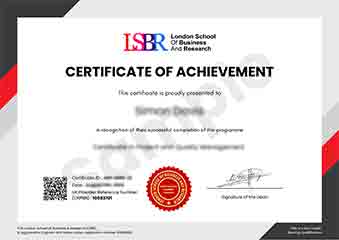
Sample Certificate
Preview the certificate you'll receive upon successful completion of this program.
Get Free Course Info
Enter your details and we'll send you a comprehensive course information pack straight to your inbox.
Employer Sponsored Training
Let your employer invest in your professional development. Request a corporate invoice and get your training funded.
Request Corporate InvoiceWhat People Say About Us
Hear from our students about their experience with the Executive Development Programme in Wilderness Emergency Response Techniques at LSBRX - Executive Education.
Oliver Davies
United Kingdom"The course content was incredibly comprehensive, covering every aspect of wilderness emergency response in great detail. Gaining hands-on skills in first aid, navigation, and rescue techniques has been invaluable, significantly boosting my confidence and readiness for real-world scenarios."
Siti Abdullah
Malaysia"This course has been instrumental in enhancing my emergency response skills, making me more versatile in high-pressure situations. It has directly contributed to my recent promotion, as the skills I learned are now essential in my role managing safety protocols for outdoor events."
Ashley Rodriguez
United States"The course structure was meticulously organized, providing a seamless progression from theoretical knowledge to practical skills, which greatly enhanced my understanding and preparedness for real-world emergency response scenarios. It offered a comprehensive overview of wilderness emergency response techniques, equipping me with invaluable knowledge for professional growth in the field."