
Executive Development Programme in Workforce Diversity and Inclusion Data Analysis
This program enhances leadership skills in promoting workforce diversity and inclusion through advanced data analysis techniques.
Executive Development Programme in Workforce Diversity and Inclusion Data Analysis
Programme Overview
The Executive Development Programme in Workforce Diversity and Inclusion Data Analysis is designed for senior leaders, human resource professionals, and diversity and inclusion officers who aim to drive meaningful change within their organizations. This comprehensive programme equips learners with the tools and insights necessary to analyze, interpret, and leverage data to enhance diversity and inclusion practices. It covers a range of topics including data collection methods, analysis techniques, and the latest trends in diversity metrics, ensuring that participants can make data-driven decisions that foster an inclusive workplace.
Participants will develop a robust set of skills including the ability to conduct sophisticated data analysis using statistical software, interpret complex datasets to identify trends and patterns, and communicate findings effectively to stakeholders. They will also learn how to design and implement data-driven strategies to address disparities within the workforce, promote equity, and enhance organizational culture. The programme emphasizes the importance of ethical considerations in data usage and the role of leadership in driving organizational change.
The programme has significant career impact, enabling participants to become leaders in developing and implementing diversity and inclusion initiatives that drive business outcomes. Graduates are well-prepared to lead change, improve organizational performance, and create more inclusive environments, making them valuable assets to their organizations and ideally positioned to advance in their leadership roles.
What You'll Learn
The Executive Development Programme in Workforce Diversity and Inclusion Data Analysis is a transformative initiative designed to equip senior executives with the strategic insights and analytical skills needed to foster inclusive work environments. This program delves into the critical aspects of diversity and inclusion, offering a comprehensive curriculum that includes data-driven strategies, advanced analytics techniques, and best practices in fostering an inclusive culture.
Participants will learn to leverage data to identify and address gaps in diversity, equity, and inclusion within their organizations. The program covers topics such as advanced statistical analysis, predictive modeling, and the use of data visualization tools to communicate findings effectively. Through case studies and interactive workshops, executives will gain hands-on experience in applying these tools to real-world scenarios.
Upon completion, graduates will be well-prepared to lead initiatives that enhance organizational inclusivity and drive positive change. They will have the skills to create actionable plans based on data insights, improve workforce diversity metrics, and build a more inclusive company culture. The program also opens doors to strategic roles such as Chief Diversity Officer, Senior Inclusion Specialist, and Diversity and Inclusion Data Analyst, positioning participants at the forefront of organizational change and innovation.
Programme Highlights
Industry-Aligned Curriculum
Developed with industry leaders for job-ready skills valued by employers worldwide.
Globally Recognised Certificate
Recognised by employers across 180+ countries as a mark of professional excellence.
Flexible Online Learning
Study at your own pace with lifetime access to all course materials and updates.
Instant Access
Start learning immediately — no application process or waiting period required.
Constantly Updated Content
Stay ahead with the latest industry trends, best practices, and emerging insights.
Career Advancement
87% of graduates report measurable career progression within 6 months of completion.
Topics Covered
- 1. Introduction to Workforce Diversity and Inclusion: Learners will study foundational concepts of diversity and inclusion in the workplace, including definitions, benefits, and challenges. They will gain skills in recognizing and valuing diversity, and applying inclusion principles in organizational settings.
- 2. Data Collection and Management for Diversity and Inclusion: This module covers methods for collecting and managing data related to workforce diversity and inclusion. Learners will learn to design surveys, collect quantitative and qualitative data, and manage data effectively using software tools.
- 3. Analyzing Diversity and Inclusion Data: Learners will delve into statistical techniques for analyzing diversity and inclusion data, including descriptive and inferential statistics. Practical skills gained include data interpretation, identifying trends, and recognizing gaps in workforce representation.
- 4. Understanding Bias and Its Impact on Data Analysis: This module explores various biases that can influence data analysis, such as confirmation bias, sampling bias, and measurement bias. Learners will gain skills in recognizing and mitigating these biases to ensure more accurate data analysis.
- 5. Advanced Data Visualization Techniques: Learners will study advanced techniques for visualizing diversity and inclusion data, including interactive dashboards, heat maps, and network diagrams. They will learn how to effectively communicate insights and findings to stakeholders.
- 6. Developing Inclusion Strategies Based on Data Analysis: This module focuses on translating data analysis results into actionable inclusion strategies. Learners will learn how to develop, implement, and evaluate strategies to improve workforce diversity and inclusion.
- 7. Legal and Ethical Considerations in Data Analysis: Learners will explore the legal and ethical implications of data analysis in the context of diversity and inclusion. They will gain skills in adhering to legal requirements, maintaining privacy, and ensuring ethical data practices.
- 8. Advanced Statistical Models for Diversity Analysis: This module covers advanced statistical models used in diversity analysis, such as regression analysis and machine learning techniques. Learners will gain skills in applying these models to predict and improve workforce diversity outcomes.
- 9. Case Studies in Diversity and Inclusion Data Analysis: Through case studies, learners will analyze real-world scenarios involving diversity and inclusion data analysis. They will learn how to apply theoretical knowledge to practical situations and draw meaningful conclusions.
- 10. Practicum in Diversity and Inclusion Data Analysis: In this final module, learners will apply all their knowledge and skills through a practical project, working on a real diversity and inclusion data analysis task for an organization. They will refine their project management, teamwork, and data analysis skills.
What You Get When You Enroll
Secure checkout • Instant access • Certificate included
Key Facts
Audience: Mid-level to senior executives
Prerequisites: Basic understanding of diversity and inclusion
Outcomes: Enhanced capability in data-driven decision making
Outcomes: Improved diversity and inclusion strategies
Ready to get started?
Join thousands of professionals who already took the next step. Enroll now and get instant access.
Enroll Now — $199Why This Course
Enhanced Data Analysis Skills: The Executive Development Programme in Workforce Diversity and Inclusion Data Analysis equips professionals with advanced data analysis techniques to understand and interpret diversity and inclusion metrics. This skill set is crucial for making informed decisions that foster a more inclusive workplace, thereby enhancing organizational performance and competitiveness.
Strategic Leadership: Participants gain insights into creating and implementing strategies that promote diversity and inclusion. This not only aids in fostering a positive organizational culture but also develops leadership skills that are essential for driving change and innovation within the organization.
Improved Decision-Making: By learning to analyze workforce diversity and inclusion data effectively, professionals can make data-driven decisions that address specific challenges and opportunities. This leads to more effective resource allocation and policy-making, which can significantly impact employee satisfaction, retention, and overall business outcomes.
Competitive Edge in the Job Market: The program also prepares professionals to stand out in the job market by acquiring specialized skills in a growing area. As companies increasingly prioritize diversity and inclusion, having the knowledge and skills to manage these initiatives can be a key differentiator in career advancement and recruitment.
Your Path to Certification
Trusted by Professionals Worldwide
Course Brochure
Download our comprehensive course brochure with all details
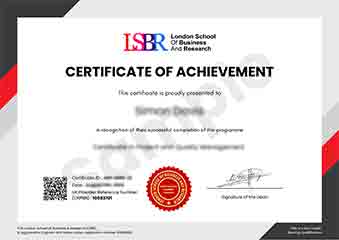
Sample Certificate
Preview the certificate you'll receive upon successful completion of this program.
Get Free Course Info
Enter your details and we'll send you a comprehensive course information pack straight to your inbox.
Employer Sponsored Training
Let your employer invest in your professional development. Request a corporate invoice and get your training funded.
Request Corporate InvoiceWhat People Say About Us
Hear from our students about their experience with the Executive Development Programme in Workforce Diversity and Inclusion Data Analysis at LSBRX - Executive Education.
Sophie Brown
United Kingdom"The course provided comprehensive insights into workforce diversity and inclusion, equipping me with robust data analysis tools that have significantly enhanced my ability to make informed decisions in the workplace. Gaining these practical skills has been invaluable for advancing my career in human resources."
Ahmad Rahman
Malaysia"The Executive Development Programme in Workforce Diversity and Inclusion Data Analysis has significantly enhanced my ability to analyze and interpret diversity data, making my insights more actionable and impactful in the workplace. This has not only improved my role in workforce management but also opened up new opportunities for career advancement in a highly competitive industry."
Ryan MacLeod
Canada"The course structure is well-organized, providing a comprehensive overview of workforce diversity and inclusion with real-world data analysis that significantly enhances understanding and application of the concepts in professional settings."