
Postgraduate Certificate in Quantum Computing Reliability Engineering
Elevate skills in quantum computing reliability with this certificate, equipping you for advanced roles in engineering and research.
Postgraduate Certificate in Quantum Computing Reliability Engineering
Programme Overview
The Postgraduate Certificate in Quantum Computing Reliability Engineering is designed for professionals with a background in computer science, physics, or engineering who seek to specialize in the reliability and robustness of quantum computing systems. The programme delves into the theoretical underpinnings and practical applications of quantum error correction, fault tolerance, and the integration of quantum systems with classical computing environments. It also explores the challenges of maintaining high reliability in quantum circuits and the methodologies for monitoring and mitigating errors in quantum operations.
Participants in this programme will gain a comprehensive understanding of quantum error models, quantum error correction codes, and the latest advancements in quantum error mitigation techniques. They will learn to design and implement reliable quantum algorithms and protocols, and acquire skills in the analysis and simulation of quantum systems. The curriculum emphasizes hands-on experience through lab sessions and real-world case studies, equipping learners with the ability to apply their knowledge to develop and optimize reliable quantum computing systems.
The career impact of this programme is significant, as it prepares graduates to address the critical reliability challenges in quantum computing, a rapidly evolving field with a growing demand for specialized expertise. Graduates can pursue roles in research and development, quantum hardware and software engineering, and system architecture in academia, industry, and government institutions. The programme also lays a solid foundation for those aspiring to lead in the development of quantum technologies that will shape future computing paradigms.
What You'll Learn
The Postgraduate Certificate in Quantum Computing Reliability Engineering is tailored for professionals seeking to advance their expertise in the nascent field of quantum computing. This program equips students with the foundational knowledge and practical skills essential for ensuring the reliability and robustness of quantum systems. Key topics include quantum error correction, fault tolerance, and the integration of quantum computing with classical systems. Students will delve into the latest research methodologies and industry standards, learning how to design, test, and maintain quantum computing systems.
Graduates can apply their skills in various sectors, from cybersecurity and finance to pharmaceuticals and data analytics. They are well-prepared to work as quantum reliability engineers, contributing to the development and optimization of quantum algorithms and hardware. The program also introduces students to emerging trends and challenges, fostering a deep understanding of the ethical implications and societal impacts of quantum technologies.
Upon completion, participants will be adept at addressing the unique reliability issues in quantum computing, positioning them for advanced roles in academia, research, and industry. Career opportunities include positions in quantum technology startups, national labs, and large corporations investing in quantum computing. This program not only enhances employability but also supports the global effort to build a resilient and reliable quantum computing infrastructure.
Programme Highlights
Industry-Aligned Curriculum
Developed with industry leaders for job-ready skills valued by employers worldwide.
Globally Recognised Certificate
Recognised by employers across 180+ countries as a mark of professional excellence.
Flexible Online Learning
Study at your own pace with lifetime access to all course materials and updates.
Instant Access
Start learning immediately — no application process or waiting period required.
Constantly Updated Content
Stay ahead with the latest industry trends, best practices, and emerging insights.
Career Advancement
87% of graduates report measurable career progression within 6 months of completion.
Topics Covered
- 1. Fundamentals of Quantum Mechanics: Learners will study the basic principles of quantum mechanics, including superposition, entanglement, and quantum measurement. They will gain foundational knowledge to understand the behavior of quantum systems.
- 2. Quantum Computing Basics: This module introduces the principles of quantum computing, including qubits, quantum gates, and quantum circuits. Learners will develop skills in designing simple quantum algorithms.
- 3. Quantum Error Correction: Learners will explore techniques for detecting and correcting errors in quantum computations, essential for building reliable quantum computers.
- 4. Quantum Algorithms: This module covers advanced quantum algorithms, such as Shor's algorithm for factorization and Grover's algorithm for search. Learners will learn to implement and analyze these algorithms.
- 5. Quantum Software Development: Learners will be introduced to quantum programming languages and tools. They will develop practical skills in writing quantum programs and simulating quantum circuits.
- 6. Quantum Hardware: This module focuses on the physical implementation of quantum computers, including qubit technologies and quantum error correction hardware.
- 7. Reliability Engineering in Quantum Computing: Learners will study the principles of reliability engineering as applied to quantum computing systems, including fault tolerance and system design.
- 8. Quantum Network Protocols: This module covers protocols for quantum communication and networking, including quantum key distribution and quantum repeaters.
- 9. Quantum Computing Security: Learners will explore the security implications of quantum computing, including post-quantum cryptography and quantum hacking techniques.
- 10. Project: Quantum Computing Reliability Engineering: In this capstone project, learners will apply their knowledge and skills to design and implement a reliability engineering solution for a quantum computing application.
What You Get When You Enroll
Secure checkout • Instant access • Certificate included
Key Facts
Audience: Professionals in computing, engineering
Prerequisites: Bachelor's degree in STEM
Outcomes: Quantum reliability principles, engineering skills
Ready to get started?
Join thousands of professionals who already took the next step. Enroll now and get instant access.
Enroll Now — $149Why This Course
Enhanced Expertise: Acquiring a Postgraduate Certificate in Quantum Computing Reliability Engineering enables professionals to specialize in a rapidly growing field. Quantum technologies are poised to revolutionize industries such as finance, healthcare, and telecommunications. Specialization in this area can make professionals highly sought after, as demand for experts who can ensure the reliability and robustness of quantum computing systems is expected to rise.
Practical Skills: The curriculum focuses on developing hands-on skills in designing, testing, and maintaining quantum systems. This includes understanding error correction techniques, system calibration, and fault tolerance. These skills are crucial for ensuring that quantum technologies perform reliably and can be integrated into existing infrastructure, thereby adding significant value to organizations.
Networking Opportunities: Enrolling in this program typically connects professionals with industry leaders and peers. Networking within this field can lead to collaborations, mentorship opportunities, and potential job offers. For instance, participants might connect with quantum computing startups or established tech companies looking to integrate quantum technologies into their operations.
Career Advancement: By acquiring this certificate, professionals can position themselves for leadership roles in quantum computing reliability. As the field expands, so will the need for skilled engineers who can guide the development and implementation of reliable quantum systems. This certification can significantly enhance career prospects, offering opportunities for higher salaries and more influential roles in shaping the future of quantum technology.
Your Path to Certification
Trusted by Professionals Worldwide
Course Brochure
Download our comprehensive course brochure with all details
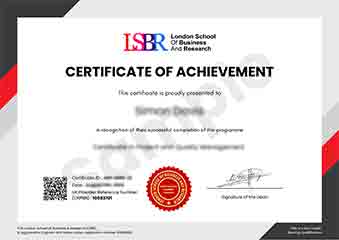
Sample Certificate
Preview the certificate you'll receive upon successful completion of this program.
Get Free Course Info
Enter your details and we'll send you a comprehensive course information pack straight to your inbox.
Employer Sponsored Training
Let your employer invest in your professional development. Request a corporate invoice and get your training funded.
Request Corporate InvoiceWhat People Say About Us
Hear from our students about their experience with the Postgraduate Certificate in Quantum Computing Reliability Engineering at LSBRX - Executive Education.
James Thompson
United Kingdom"The course content is deeply comprehensive, providing a robust foundation in quantum error correction and fault-tolerant quantum computing, which has significantly enhanced my ability to address real-world reliability challenges in quantum systems. I've gained valuable skills that are directly applicable to developing more reliable quantum computing technologies, opening up new career opportunities in this rapidly evolving field."
Isabella Dubois
Canada"This postgraduate certificate has significantly enhanced my understanding of quantum computing reliability, making me more competitive in the tech industry. The practical projects we undertook directly translated into valuable skills that I'm already applying in my role, paving the way for career advancement."
Oliver Davies
United Kingdom"The course structure is meticulously organized, providing a clear path from foundational concepts to advanced topics in quantum computing reliability, which greatly enhances understanding and retention. The comprehensive content not only covers theoretical aspects but also delves into practical applications, offering valuable insights for professional growth in the field."